Crypto Titan Buterin Calms Fears: AI Won't Crash Bitcoin 50%
Vitalik Buterin, Ethereum's co-founder, has refuted predictions that AI will severely compromise Bitcoin's security, leading to a major price drop. He believes that while AI poses cybersecurity challenges, Bitcoin's fundamental security remains robust against direct cryptographic breaks and can address software vulnerabilities without altering its core consensus. Buterin's stance highlights optimism for long-term cybersecurity despite growing concerns in the industry.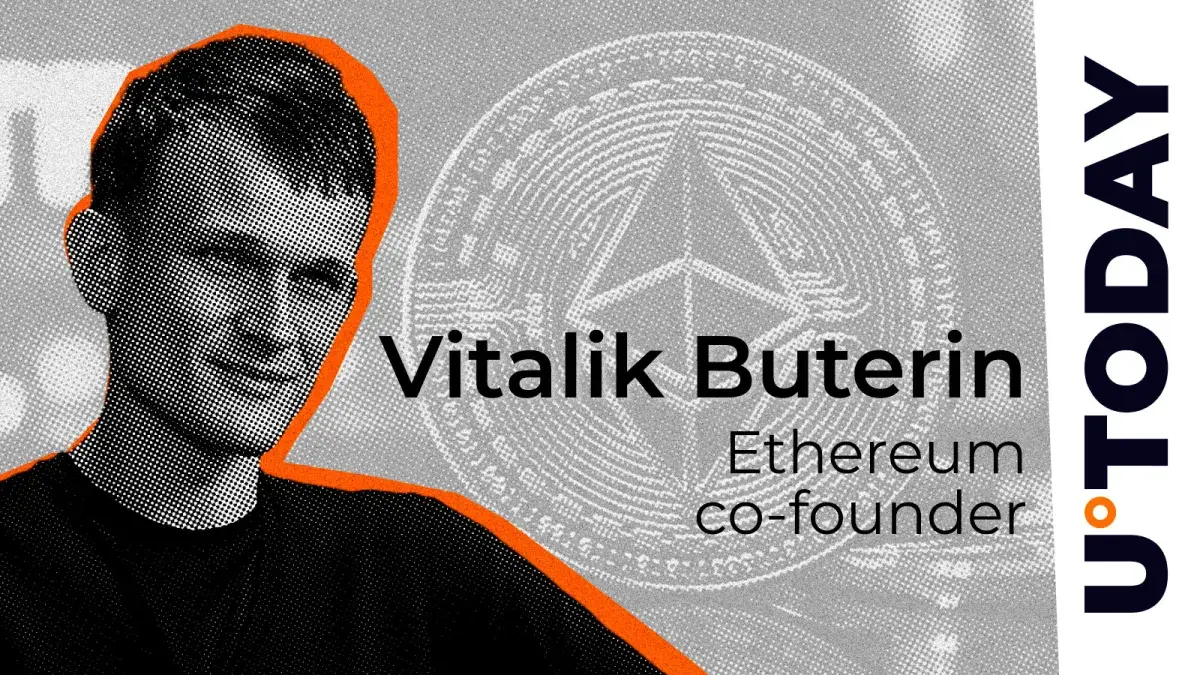
Ethereum co-founder Vitalik Buterin has directly challenged a significant prediction concerning artificial intelligence's potential to compromise Bitcoin's security, which could lead to a substantial price collapse. Entrepreneur and AI-risk commentator Liron Shapira had previously stated on X that there was a 50% probability of Bitcoin (BTC) prices crashing by 50% or more within the next two years, primarily due to AI undermining its perceived security or robustness guarantees.
Buterin, however, has expressed a clear opposing view, asserting that while increasingly advanced AI systems are likely to introduce serious cybersecurity challenges, these challenges do not necessarily equate to a collapse of Bitcoin's fundamental security assumptions. He conveyed long-term optimism regarding cybersecurity and indicated his willingness to take the opposite side of Shapira's forecast, humorously noting that his substantial cryptocurrency holdings already represent a significant personal wager on this outcome.
The Ethereum co-founder elaborated that Bitcoin should be well-equipped to manage vulnerabilities that do not necessitate alterations to the network's social consensus. Such issues could encompass network-layer attacks, weaknesses affecting Bitcoin client software, or problems within mining-pool infrastructure. This distinction is crucial, as the primary concern is not necessarily AI cracking Bitcoin's core cryptography, but rather its capability to discover ordinary software vulnerabilities across the broader Bitcoin ecosystem, including node implementations, wallets, mining infrastructure, exchanges, and associated libraries. This specific threat model has garnered increasing attention in recent years, with over three dozen Bitcoin and cryptocurrency companies, including industry giants like Coinbase, Block, and BitGo, advocating for AI developers to grant security researchers enhanced access to powerful frontier models. The UK Financial Conduct Authority has also reportedly cautioned about AI systems' accelerating ability to identify cybersecurity weaknesses faster than financial institutions can patch them.
Despite these evolving threats, Buterin maintains strong conviction that the likelihood of an