Crisis Alert: Experts Warn of Soaring Prostate Cancer Rates Across Nigeria
Kelina Hospital's Dr. Celsus Undie highlights Nigeria's urgent need for improved early diagnosis and specialized treatment for prostate cancer, a growing concern in the nation. The hospital's robotic surgery program, celebrating its first anniversary, has successfully performed over 50 procedures with local surgical teams, signifying a major advancement in domestic healthcare. This initiative not only enhances local medical capacity but also aims to significantly reduce the burden and cost of medical tourism for Nigerian patients.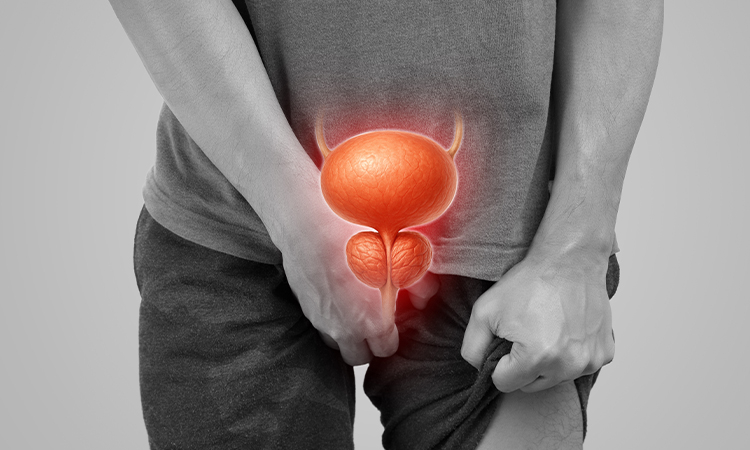
The increasing prevalence of men seeking treatment for prostate cancer in Nigeria underscores a critical need for enhanced early diagnosis and accessible specialized healthcare, as stated by Dr. Celsus Undie, president of Kelina Hospital. Speaking in Lagos during the first anniversary of the hospital’s robotic surgery program, Dr. Undie urged intensified efforts to ensure Nigerian men receive timely treatment, preventing presentation at advanced stages of the disease. He noted that the true scale of prostate cancer in Nigeria was not fully recognized until the hospital began performing advanced surgical procedures sought by many, emphasizing the high cancer burden and the imperative to support local populations.
Dr. Undie attributed the significant incidence of prostate cancer among Africans partly to genetic factors, highlighting that the situation in Nigeria demands greater focus on accurate diagnosis, public awareness campaigns, and access to appropriate treatment modalities. Prostate cancer develops within the prostate gland and can progress silently without overt symptoms in its nascent stages. While urinary difficulties may prompt medical evaluation, these symptoms are not exclusive to cancer and can indicate other prostate conditions, thus necessitating thorough medical assessment.
Since the launch of its robotic surgery program in September 2025, Kelina Hospital has performed more than 50 robotic radical prostatectomy procedures. These advanced surgical services became a regular offering at the hospital by June 2026. Notably, the hospital’s Nigerian surgical team now independently conducts these complex operations, reducing reliance on visiting foreign surgeons and demonstrating a significant growth in local medical professionals' capacity to deliver specialized care. Over half of the patients undergoing these procedures are discharged just one day after surgery, although individual recovery times and outcomes may vary based on unique circumstances.
The development of such local capabilities comes amidst broader concerns regarding the financial and logistical burdens of seeking medical treatment abroad. Dr. Undie stressed that local treatment is considerably more cost-effective for patients than traveling internationally for care. Expanding domestic capacity in specialized procedures like robotic surgery can alleviate some of these expenses, though challenges such as affordability, equipment availability, and access to qualified specialists remain important considerations.
He further emphasized the critical importance of detecting prostate cancer before it metastasizes, or spreads, to other parts of the body, as advanced disease becomes significantly more challenging to manage. When cancer is confined to an organ, treatment options may include removal, contingent on the disease's nature and stage. Once cancer spreads, treatment efficacy diminishes. However, treatment decisions are multifaceted, depending on the cancer’s stage, the patient’s overall health, and other clinical findings; surgery is not universally appropriate for every patient, underscoring the necessity of specialist assessment to determine the optimal course of care.
A patient, Mr. Joseph Ogar, shared his experience, recalling that frequent urination led him to seek medical attention and undergo prostate surgery in 2012. Despite initial concerns about potential impacts on sexual function, he received reassurance from his doctor. Mr. Ogar reported a positive outcome, stating, “Today, I am sitting here healthy, and I can still maintain my sexual function whenever I want,” while also continuing regular medical check-ups. It is crucial to note, however, that individual outcomes regarding sexual function and recovery can differ based on the specific procedure, disease stage, and personal health factors.
Since commencing operations in 2008, Kelina Hospital has performed over 7,000 surgeries. Its comprehensive prostate surgery services encompass robotic and laparoscopic cancer operations, as well as holmium laser enucleation of the prostate (HoLEP), a minimally invasive technique for treating enlarged prostates. Dr. Ifeanyi Anago, Chairman of the Board of Kelina Hospital, lauded the robotic surgery program as a vital step towards bolstering Nigeria's capacity for advanced medical services. He highlighted that this achievement extends beyond the hospital, contributing to a reduction in medical tourism and the associated outflow of funds. Dr. Anago eloquently remarked, “It may be a small step for a hospital like Kelina, but it is a giant leap for healthcare delivery in Nigeria,” further stating that the hospital's continuous expansion of specialized services aims to demonstrate that many advanced medical procedures are achievable within the country, echoing the Yoruba adage, “What you are looking for in Sokoto is in your sokoto. You do not have to travel abroad for some of these things. They are here.”
In another testament to the hospital's diverse advanced capabilities, Ms. Temilola Oke, a patient, traveled from Lagos to Abuja for treatment after a diagnosis of kidney stones and subsequently underwent corrective surgery for a kidney abnormality in 2018. Despite initial apprehension about potential scarring, Ms. Oke proceeded with the operation and confirmed her well-being, reporting no longer needing medication related to the surgery.