7 Reasons You Could Be Coughing That Have Nothing to Do With a Cold
A persistent cough may signal more than a cold. Here are 7 possible causes in adults, from asthma and acid reflux to allergies and lung disease.

A single cough can blast air out of your lungs at up to 50 miles per hour. Your body does this as a reflex, and it does it for far more reasons than a cold.
In fact, when a cough drags on for weeks, an infection is rarely the cause. Tomorrow is World Chronic Cough Day, so here is what your persistent cough may be trying to tell you.

What Counts as a Chronic Cough?
In adults, a chronic cough is one that lasts longer than eight weeks. A cough from a cold or flu usually clears within three weeks, while one that lingers between three and eight weeks is called subacute.
Chronic cough affects roughly one in ten adults worldwide and can wreck your sleep, work and social life.
Types of Cough and What They Signal
Not all coughs are the same, and the sound and feel can offer clues. A dry cough, the tickly kind with no mucus, and it often points to asthma, allergies, reflux or certain blood pressure drugs. A wet cough that brings up phlegm usually signals a chest infection, bronchitis or COPD.
A nighttime cough that worsens when you lie down may come from reflux, postnasal drip or asthma. A barking or hoarse cough is often linked to irritation of the voice box.
Common Causes of Chronic Cough in Adults
1. Postnasal Drip
Mucus running down the back of your throat is one of the most common causes of chronic cough. Doctors call it upper airway cough syndrome.
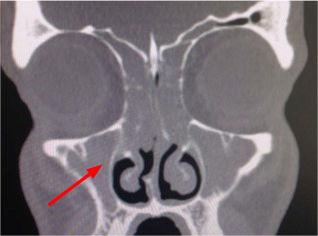
It often comes from allergies, sinus problems or constant nasal congestion. It leaves you clearing your throat all day. The cough tends to be worse at night and first thing in the morning.
2. Asthma
Cough variant asthma has no wheezing or breathlessness, only a stubborn dry cough. The triggers include cold air, dust, smoke, exercise and strong smells.
If your cough flares after physical activity or during harmattan, you need to get checked for asthma. Many people live with it for years because they assume asthma always involves wheezing.
3. Acid Reflux
Stomach acid creeping up the food pipe can irritate your throat and airways and trigger a cough, sometimes with no heartburn at all. This is called silent reflux.
Clues include a cough after meals, a sour taste in your mouth, or coughing when you lie flat.

4. Blood Pressure Medication
Drugs called ACE inhibitors, commonly prescribed for hypertension, cause a dry, tickly cough in a notable share of users.
It can start weeks or even months after you begin the tablets. Never stop your medication on your own. Speak to your doctor, who can switch you to an alternative.
5. Smoking and Lung Disease
Smoking, vaping and long-term exposure to smoke or fumes, including from firewood stoves and generators, can inflame your airways and lead to chronic bronchitis or COPD.
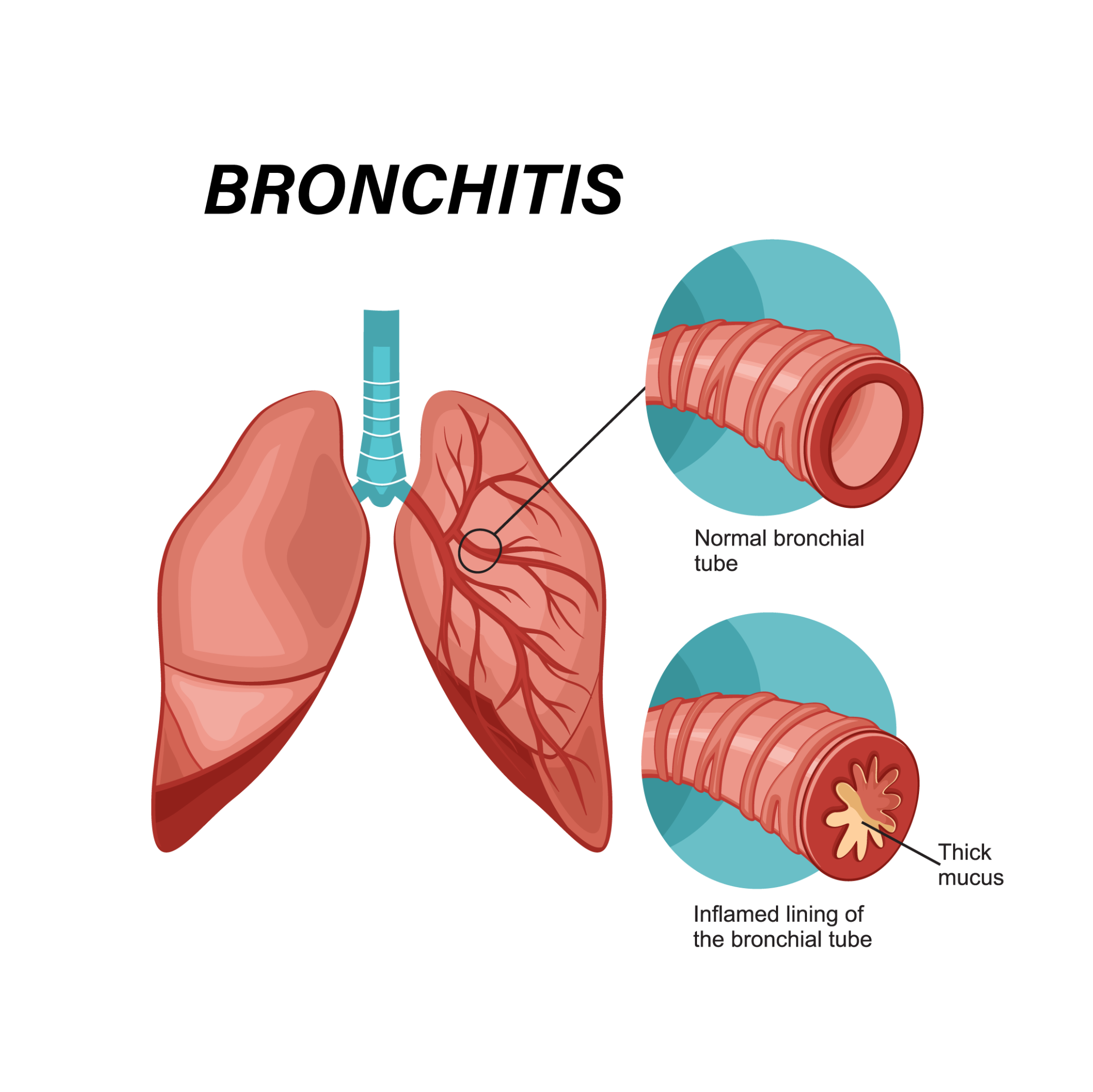
A morning cough that brings up phlegm is a classic early sign. Quitting is the single most effective step, and coughs often ease within weeks.
6. Allergies and Air Pollution
Dust, mold, pollen, perfumes and polluted air can keep your airways irritated for weeks. Many African cities deal with heavy traffic fumes and seasonal harmattan dust, which makes this a common trigger.
A cough that improves when you leave a particular place, such as your workplace or bedroom, is a strong clue.
7. Cough Hypersensitivity
Sometimes tests come back normal and the cough stays. In such cases, doctors may diagnose cough hypersensitivity syndrome, where the nerves in your airways become overly sensitive.
Even talking, laughing or a change in temperature can set off a coughing fit. Specialist care, including speech therapy techniques and nerve-calming medication, can help.
When a Cough Is a Red Flag
See a doctor promptly if you cough up blood, lose weight without trying, have night sweats, feel breathless, or have a cough lasting more than two weeks.
In places where tuberculosis is common, a persistent cough should never be ignored, as TB is treatable when caught early. Heart failure and lung cancer can also present with a lingering cough.

Don’t Ignore a Cough That Won’t Quit
A cough is only a symptom. If yours has lasted beyond eight weeks, book an appointment, describe when it happens and what makes it better or worse, and ask about a chest X-ray or breathing test.
Keeping a short cough diary for a week or two helps your doctor work faster and avoid guesswork.
Finding the cause is the only way to treat it properly, and most causes are very manageable with the right treatment once identified.
This World Chronic Cough Day, take your cough seriously, because persistent coughing is never just something you should simply tolerate or wait out.