Centuries of Love: What Hollywood Icons' Dating Lives Were Like 100 Years Ago!
The 1920s brought a revolution to dating, moving away from strict, chaperoned courtship to more casual encounters. New technologies like telephones and automobiles, combined with social shifts like women's suffrage and urbanization, transformed how people found partners and engaged in romance.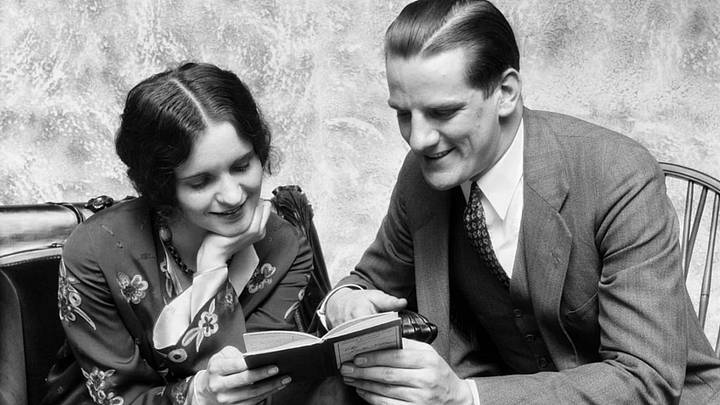
Imagining modern dating in 1926 is an amusing thought, considering cell phones and dating apps were decades away from existence. Before the transformative decade of the 1920s, the process of finding a partner was a far more structured and chaperoned affair, focused on reputation and virtue rather than casual encounters.
Before World War I, dating as it is understood today was nonexistent. The path to marriage was heavily guided by parents, who would steer their children towards suitable matches. Courtship was a strict process: a suitor, once approved by the woman's parents, would leave a “calling card” at her home to signal his intent to court her. If the parents were satisfied, they would permit a supervised visit, which might involve the woman entertaining the man with music or dance. The suitor would then regularly “call,” bringing gifts for both his intended match and her family, and eventually, the couple would attend public outings, always chaperoned. This meticulous process continued until the suitor sought the woman's father's permission to propose, having first proven his financial capability to support her. This was the prevailing method for securing a marriage throughout the 1800s and into the early 1900s.
The landscape of romance dramatically shifted in the 1920s. With World War I concluding in 1918 and women gaining the right to vote in 1919, coupled with their increasing presence in the workforce, society entered the flamboyant era known as the Roaring '20s. This period saw a significant departure from traditional courtship. Potential suitors began using telephones to arrange dates, and the rise of close-bodied automobiles provided young daters with unprecedented privacy, a development that often worried the older generation. The act of finding a partner evolved from a marital strategy into a more casual undertaking. Popular entertainment venues like movies and dance halls became ideal settings for informal dates. According to The Mob Museum, upper and middle-class individuals even socialized on trains, with the Pullman Company offering specialized cars for dining, lounging, and dancing with live bands. Simple dates might involve driving around in a car, perhaps stopping for a treat like a cherry phosphate at a local ice cream parlor. As car ownership among young people surged, the necessity for chaperones diminished, gradually eroding the traditional courtship process.
The era also marked a significant demographic shift as more people moved from rural communities to bustling urban centers. Cities offered greater opportunities to meet new people, and while traditional expectations still held sway in rural areas, urban dwellers embraced the unconventional dating practices of the 1920s. Furthermore, the 18th Amendment, which prohibited the sale and transportation of alcohol, inadvertently led to the proliferation of speakeasies. These secret bars became popular spots in metropolitan areas for drinks, dancing, and jazz music, adding another dimension to the evolving social scene and providing new venues for romantic encounters.