Canal+ Just Bought Six Years of European Football for Sub-Saharan Africa. Should Local Broadcasters Be Worried?
Canal+ has secured UEFA club football rights across much of Sub-Saharan Africa until 2031. Beyond football, the deal raises bigger questions about media consolidation, competition, and the future of African broadcasters.
There is a familiar ritual that repeats itself across much of Sub-Saharan Africa every time that there is a football game to be played. Viewing centres begin filling long before kickoff and bars become unusually loud.
Families usually rearrange dinner around match schedules and neighbours gather around a single television, not because a local league is playing, but because Europe's biggest clubs are about to take the field.
For millions of Africans, the UEFA Champions League has become more than football. It has become part of the continent's weekly routine. Somewhere between kickoff and full-time, however, something else happened that many viewers never noticed.
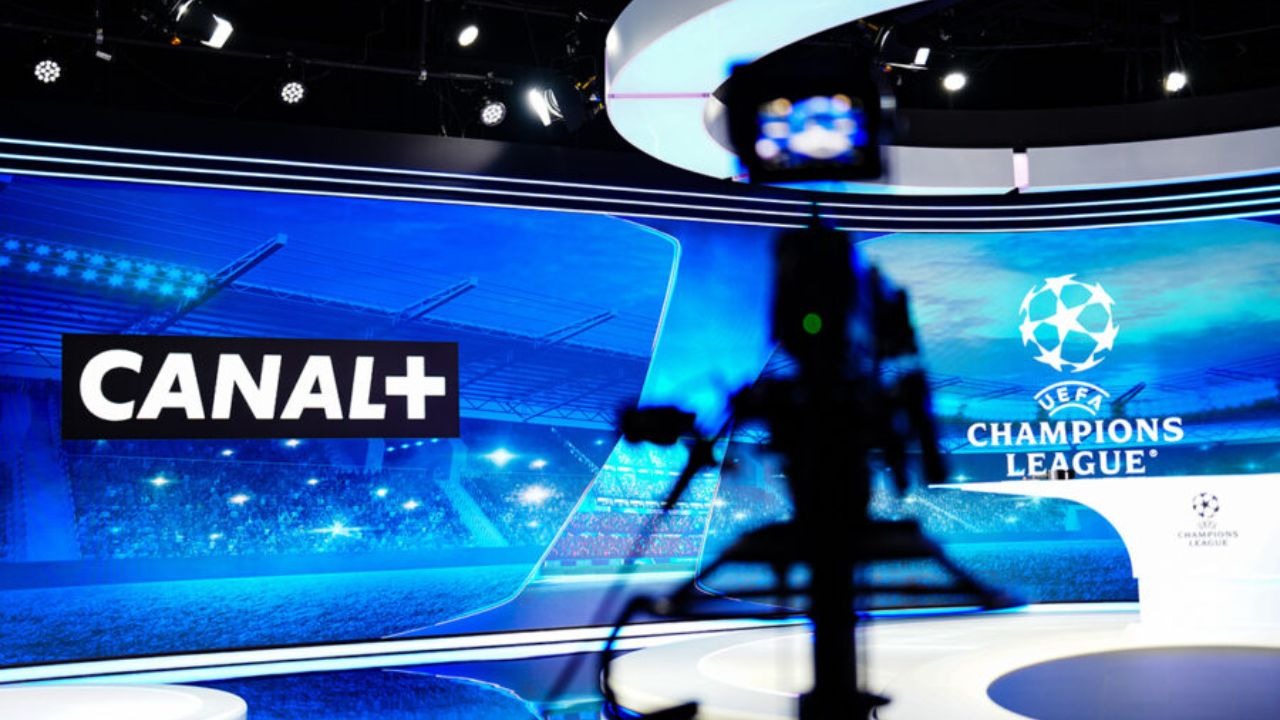
French media giant Canal+ quietly secured exclusive rights to UEFA men's club competitions across much of Sub-Saharan Africa from 2027 to 2031. On paper, it looks like another broadcasting agreement. In reality, it could become one of the most significant shifts in African sports media in recent years.
The deal gives Canal+ subscribers across more than 40 African countries exclusive access to the UEFA Champions League, Europa League and Conference League from 2027. Coming after its acquisition of MultiChoice, it further expands the company's influence over premium football broadcasting while pushing Togo-based New World TV out of French-language UEFA coverage.
The immediate conversation has centred on football. The bigger conversation should be about ownership. Because this deal is not simply about who broadcasts European football.
It is about who increasingly controls one of Africa's most valuable entertainment products, and what that means for competition, pricing, innovation and, perhaps most importantly, the ability of local broadcasters to remain competitive in the years ahead.
This Wasn't Just a Football Deal. It Was Market Consolidation.
Football rights have never simply been about football. They are about subscribers. Advertising revenue. Negotiating power. Market influence. The company that controls premium sports content often controls something even more valuable: consumer attention.
Canal+ had already strengthened its position after acquiring MultiChoice, bringing SuperSport's English- and Portuguese-language operations under the same corporate umbrella as Canal+ Sport. By reclaiming the French-language UEFA club rights previously held by New World TV, it has further consolidated one of Africa's most valuable television markets.
For Canal+, the move strengthens an already dominant sports portfolio. For New World TV, and any regional broadcaster hoping to compete for premium international rights, it removes one of the strongest reminders of how difficult that competition is becoming.
This illustrates something increasingly visible across global media. Competition today is less about who owns the most channels and more about who owns the few programmes audiences cannot afford to miss.
Football sits comfortably at the top of that list. The question therefore is no longer whether Canal+ won the rights. It is what happens when fewer companies continue owning more of the continent's premium sports content.
Football Rights Are Quietly Becoming the Most Valuable Currency in African Media
Television executives have understood something for years that ordinary viewers rarely think about. People do not usually subscribe because a platform offers hundreds of channels. They subscribe because it offers the few they refuse to live without.
Across Africa, football is increasingly one of those products. A Champions League match does far more than entertain ninety minutes of viewers. It drives subscriptions, attracts advertisers, strengthens partnerships with internet providers and mobile operators, increases customer retention and keeps audiences inside an ecosystem week after week.
Football has quietly become one of African broadcasting's most reliable revenue engines. Rights are expensive because they secure something even more valuable than matches: long-term audience loyalty. Once viewers associate a platform with the competitions they care about most, switching becomes far less likely.
Loyalty gradually shifts away from the broadcaster's brand and attaches itself to football. That gives whoever owns those rights enormous commercial leverage.It also makes it increasingly difficult for smaller and emerging African broadcasters to compete for the very content that attracts audiences in the first place.
Because in broadcasting, attention is currency and football remains one of the most valuable ways of acquiring it.
The Bigger Loser May Not Be Viewers. It Could Be Local Broadcasters

The immediate reaction to Canal+'s latest acquisition will probably be relief among football fans. The Champions League is not disappearing. The matches will still be available, and millions of Africans will continue watching Europe's biggest clubs every week. For the average subscriber, very little appears to have changed.
But broadcasters operate very differently from viewers. For companies like New World TV, losing premium football rights is not simply losing content. It is losing subscribers, advertising revenue, negotiating power and, perhaps most importantly, relevance in an increasingly competitive market.

Football has become the anchor product around which many pay-TV businesses are built. Once that anchor disappears, convincing subscribers to remain loyal becomes significantly harder. Some will inevitably migrate to whichever platform now owns the competitions they care most about.
That creates a cycle that is difficult for smaller broadcasters across the continent to escape, whether they currently own premium rights or hope to compete for them in future.
Fewer subscribers often mean lower advertising income. Lower revenue reduces the ability to compete for future premium rights. Eventually, the gap between dominant broadcasters and emerging competitors grows wider with every rights auction.
Healthy competition pushes broadcasters to improve pricing, production quality and customer experience. As premium rights become concentrated in fewer hands, those incentives inevitably weaken.
What Happens When One Company Owns Too Much?

Canal+ is doing what every major media company tries to do: secure exclusive content audiences cannot easily replace. Netflix pursues original films, Disney protects its franchises, Amazon invests heavily in live sport. Canal+ is applying the same strategy to African football.
The MultiChoice acquisition strengthened its English-speaking footprint. This UEFA deal reinforces its Francophone dominance while complementing an already extensive football portfolio.
From a business perspective, it is a remarkably logical strategy. The bigger question is whether Africa's broadcasting ecosystem remains equally healthy when so much premium content increasingly sits within one corporate structure.
The concern is not that Canal+ has become stronger. The concern is whether enough African broadcasters will remain financially strong enough to challenge it over the next decade.
Healthy media industries thrive on competition. Rights holders benefit because multiple bidders increase the value of their competitions. Consumers benefit because broadcasters compete on pricing, quality and innovation.
When competition narrows, those benefits can narrow with it. This is not simply a football story anymore. It is a conversation about market concentration.
The Biggest Question Isn't About Canal+. It's About African Media.

Perhaps the most important question raised by this deal has nothing to do with Canal+ itself. It is about the future of African broadcasters.
Why are regional broadcasters increasingly struggling to compete for premium global rights? Is it simply because the cost of sports rights has become too high? Is it because international media companies have deeper financial resources?
Or does it reflect a broader challenge facing African media businesses as streaming, technology and global consolidation reshape the industry?
These questions matter because football is only the beginning. The company that controls sport today often gains an advantage in entertainment tomorrow. The subscribers who arrive for Champions League football may eventually stay for films, television series, documentaries, news and streaming services. Sports become the entry point into a much larger digital ecosystem.
That makes this deal far more strategic than it first appears. But behind every goal, another competition is quietly unfolding. Not on the pitch. Behind the television screen.
Canal+ has done more than secure four more seasons of European football. It has strengthened its influence over one of Africa's most valuable entertainment markets.
Whether that benefits viewers will depend on how competition evolves—and whether African broadcasters can still afford to compete for the rights that keep audiences watching. Because the bigger story is no longer who owns football. It is who owns the attention of millions of Africans, and in today's media economy, attention may be the most valuable trophy of all.
For local broadcasters, this is less a story about one rights deal than a warning about the direction the market is heading.