Burkina Faso Is Giving Journalists Military Training. But What Happens to Journalism?
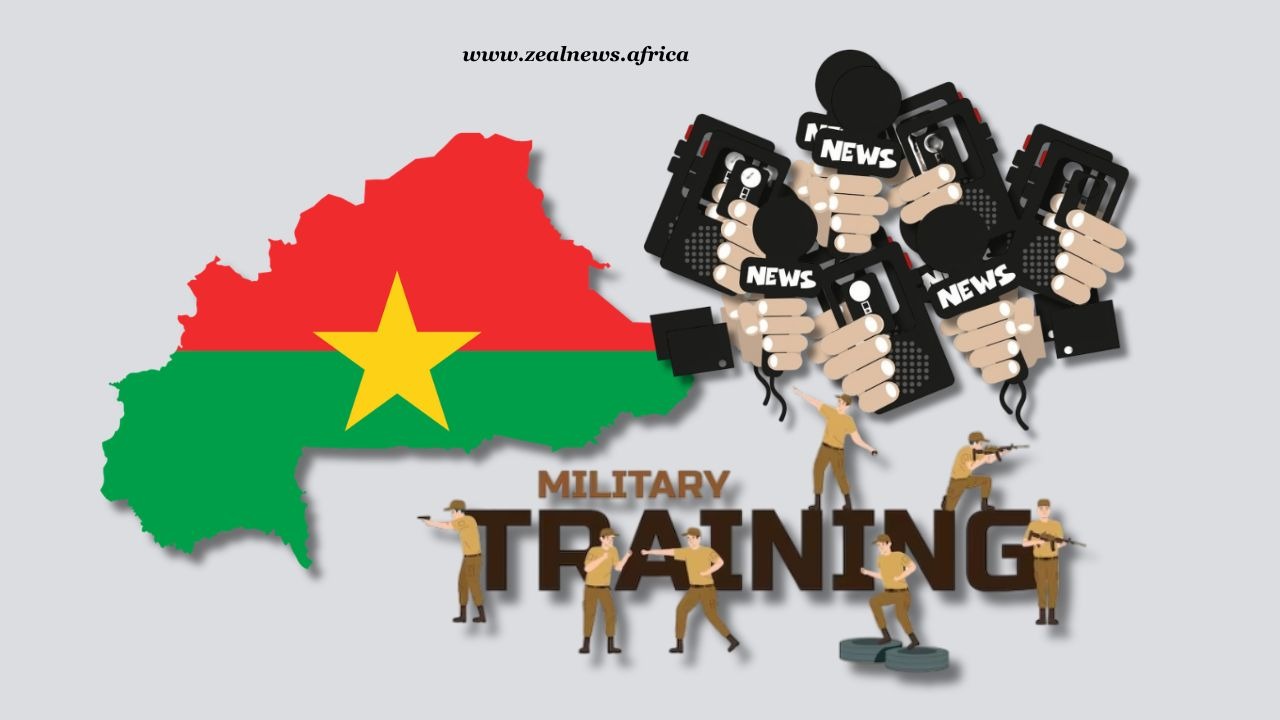
Burkina Faso is training journalists in military skills amid a worsening security crisis. The programme could improve reporter safety, but it also raises difficult questions about press freedom, independence and the relationship between journalists and military authorities.
A journalist covering a conflict does not get to choose the conditions around the story. The assignment might begin with a camera, notebook, or microphone and end somewhere far less predictable.
In Burkina Faso, where armed groups have made reporting increasingly dangerous, with many of them receiving threats and attacks, journalists now work in an environment where understanding checkpoints, military movements, and basic security procedures can genuinely mean the difference between completing an assignment and not returning from it.
That is the context behind Burkina Faso's decision to introduce military training for journalists. The first group of journalists from public and private media organisations is undergoing training at the Pabré Police Academy near Ouagadougou, in an exercise the government says is intended to promote patriotism and help journalists better understand security operations and the country's wider regional dynamics.
The argument for such training is understandable when journalists are expected to report on security operations or work in environments where they may encounter unfamiliar risks. Journalists operating in such settings cannot remain completely detached from the realities of the security operations they are sent to cover. But the idea that journalists must become more deeply integrated into the security environment raises another question: how close can a journalist get to the machinery of security before that closeness begins to affect the independence of the journalism itself?
It also raises a question that cannot be dismissed simply because the security situation is real: does preparing journalists for a war environment require bringing them closer to the institution whose actions they may sometimes need to scrutinise?
Why Burkina Faso Thinks Journalists Need Military Training
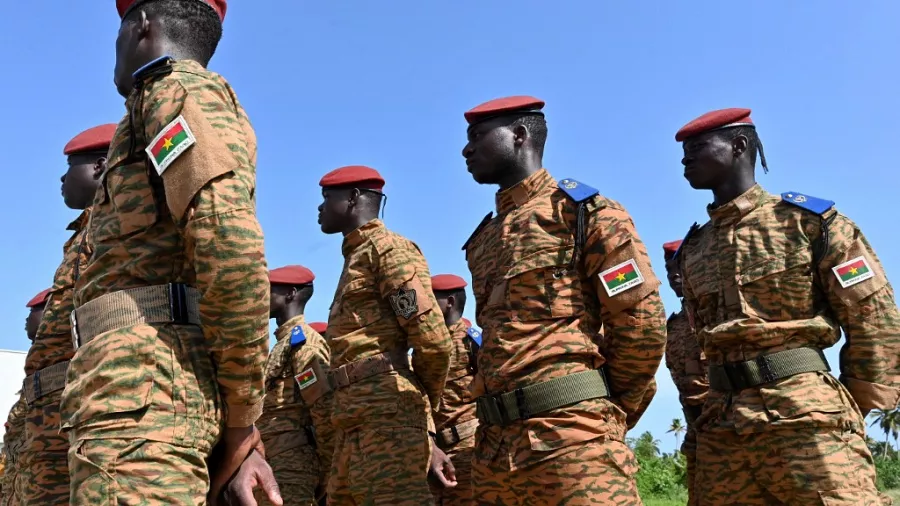
There is a reasonable argument for the programme. Journalists covering conflict are not soldiers, but they operate in places where soldiers, armed groups, civilians and journalists can suddenly occupy the same dangerous space.
Training in basic security awareness could help reporters understand how to move around conflict zones, recognise threats, respond during attacks and better understand the operational realities of the forces they are covering.
In that sense, military training does not necessarily have to mean turning journalists into soldiers. It could simply give them skills that conventional journalism schools rarely teach.
Burkina Faso has plenty of reasons to take the safety of journalists seriously. The country ranked 110th out of 180 countries in the 2026 World Press Freedom Index, falling five places from the previous year. Reporters Without Borders says political instability, violence, pressure on journalists and restrictions on diverse reporting have made the environment increasingly difficult.
And the danger is not theoretical. In 2023, journalists Issaka Lingani and Yacouba Ladji Bamawere conscripted by the authorities for military training and subsequently ordered to join security operations in the country's northwest. Both had previously published criticism of the authorities. The Committee to Protect Journalists called for their conscription to be revoked.
That history makes the latest training programme more complicated than a simple lesson in battlefield safety.
Journalists Have Already Paid a Price for Reporting

Burkina Faso has a long and painful history of journalists facing serious consequences for the work they do.
One of the country's most famous cases is that of investigative journalist Norbert Zongo, editor of L'Indépendant. On December 13, 1998, Zongo, his brother and two other men were found dead after their vehicle was burned near Sapouy. Zongo had been investigating the death of David Ouédraogo, the driver of then-President Blaise Compaoré's brother, and an independent inquiry later concluded that the motives for the murder were linked to Zongo's journalistic investigations.
The case remained unresolved for years, becoming one of the most enduring symbols of impunity against journalists in Burkina Faso. The Committee to Protect Journalists continues to classify the case as a murder with complete impunity.
More recently, the risks have taken a different form. In 2024, journalists Adama Bayala, Serge Oulon and Kalifara Sérédisappeared in separate incidents in Ouagadougou, with the International Federation of Journalists reporting that they were allegedly abducted by suspected security officials in connection with their work. Oulon and another journalist, Moussa Séréba, remain among the journalists listed by RSF as missing.
So yes, journalists need protection. They need security training. They need to know how to survive the environments in which they report, but protection and control are not the same thing.
The Training May Help. The Question Is What Comes With It
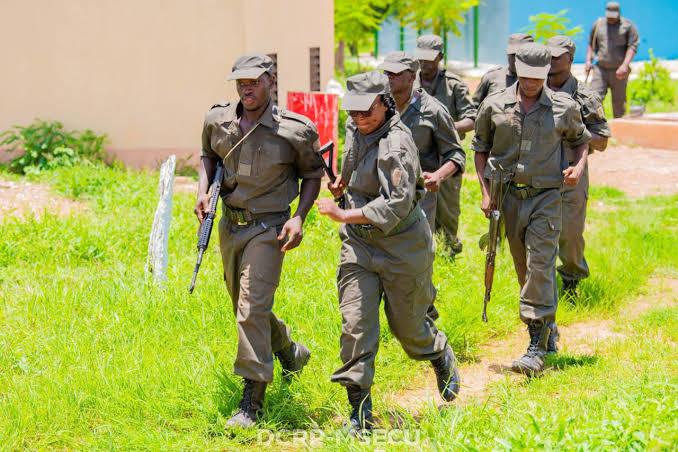
This is where the idea deserves a more careful examination. If the training teaches journalists how to identify explosives, move safely through conflict zones, respond during an attack, or understand military procedures, there is an obvious benefit.
A journalist who knows how an operation works may also report on it more accurately, but journalism has a different responsibility from military service.
A soldier receives orders and follows a chain of command. A journalist is supposed to ask questions, verify claims and, when necessary, challenge the official version of events. That distinction does not disappear simply because both are operating in a conflict zone.

And this is particularly sensitive when the government itself is led by a military junta. Burkina Faso's current authorities have repeatedly emphasised a more “patriotic” approach to information, while RSF says the country's media environment has seen increased pressure, suspensions, interrogation and self-censorship.
The concern, therefore, is not necessarily that military training will automatically turn journalists into government mouthpieces. It is subtler than that.
When journalists repeatedly train under military structures, receive security guidance from military authorities and are encouraged to see themselves as participants in a national security project, the relationship between the reporter and the institution being covered can become more complicated. The journalist may remain a civilian, but the boundaries around the work can begin to feel less civilian.
Burkina Faso's security environment makes the idea of such training understandable. Journalists working around security operations may benefit from practical training that helps them navigate unfamiliar or potentially dangerous situations.
But that benefit should still be weighed against the question of whether bringing journalists into a military institution could affect the independence of the journalism itself.
But perhaps the most useful version of this programme would teach journalists how to survive the military environment without teaching them to think like the military, because the job of a journalist in wartime is not to become another soldier.
It is to remain alive long enough to tell people what the soldiers, civilians and everyone caught between them are experiencing, and sometimes, that means staying close enough to understand the battlefield while remaining independent enough to question what happens on it.