Born Without Fingerprints: How People With Adermatoglyphia Navigate a Biometric World
A rare condition means some people are born without fingerprints. What does that mean in a world increasingly built around biometric identification?
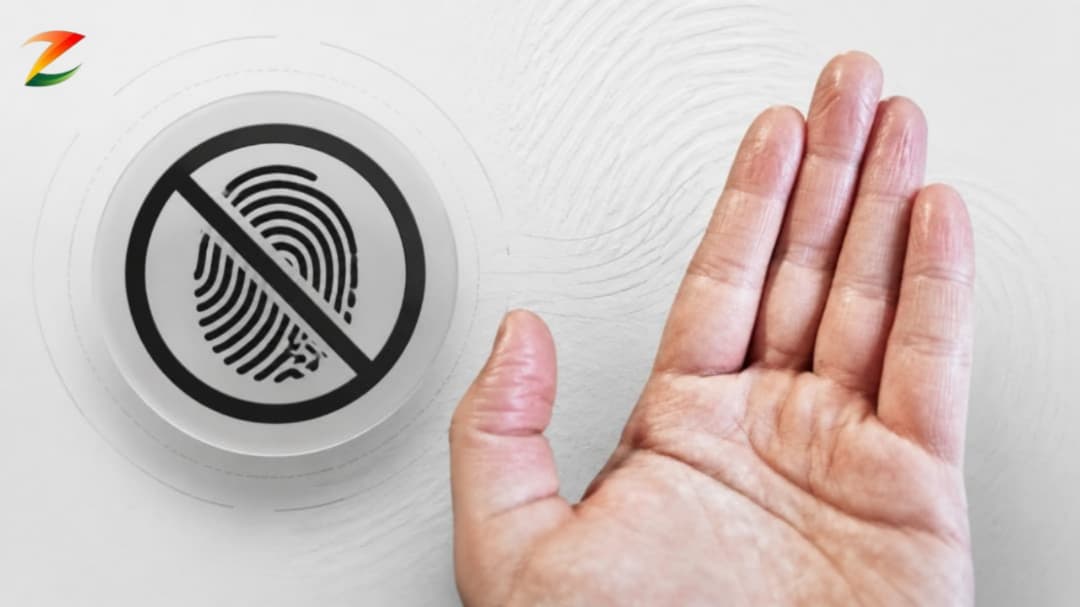
We live in a world where fingerprints have become part of how we prove who we are. Some people are born without them, although the condition is very rare.
Let's see the story of this Nigerian woman who recently shared her experience online.
On 22 August 2026, a Nigerian woman known online as J for Jidds shared how being born without fingerprints has affected some of the most ordinary parts of her life.
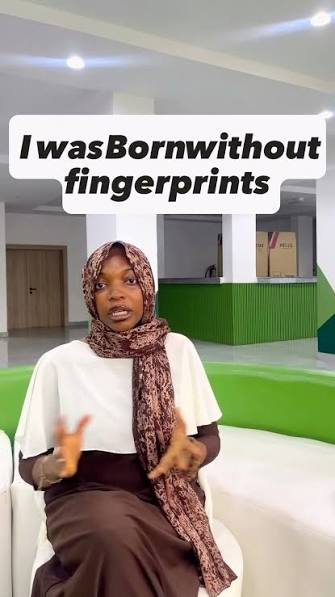
She recalled going for JAMB registration with her father in 2017 and watching more than 200 people register before her while officials struggled to get the biometric machine to recognise her fingers. She said she eventually became overwhelmed and cried.
Years later, the same problem followed her to NYSC. She said she ended up using part of her foot during biometric verification because there was no fingerprint for the machine to capture. She has also had difficulties with banking and other services that depend on fingerprints.
After she shared the story, Jidds said almost 100 people contacted her with similar experiences. Some described problems with JAMB and NYSC biometric checks, while another person said the issue had also affected an embassy visit.
What it means to be born without fingerprints
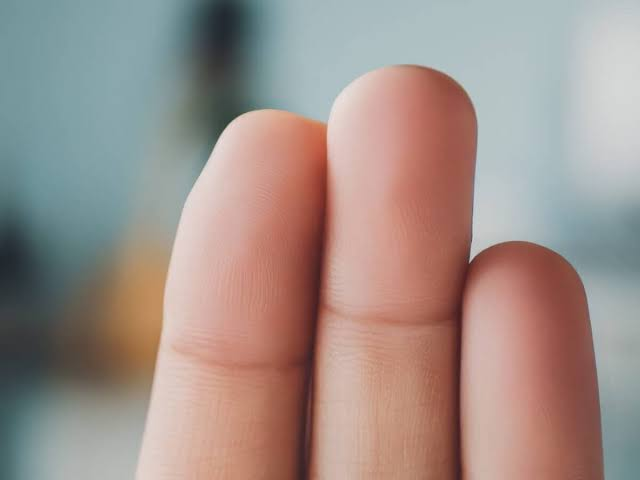
The lines and patterns on our fingertips are called friction ridges. They begin forming before birth, during fetal development, and remain largely unchanged throughout life.
Adermatoglyphia is the congenital absence of these friction ridges. The condition is extremely rare, and researchers have linked some cases to changes involving the SMARCAD1 gene, which can also run in families.
It is different from having a fingerprint that a scanner cannot read properly. Cuts, scars, worn skin, some skin conditions, age and other factors can interfere with fingerprint capture. With adermatoglyphia, the ridge patterns themselves did not develop. The ridges can also be absent from the palms, toes and soles. Some people with isolated adermatoglyphia have reduced sweating on the hands and feet.
When fingerprints become part of everyday life
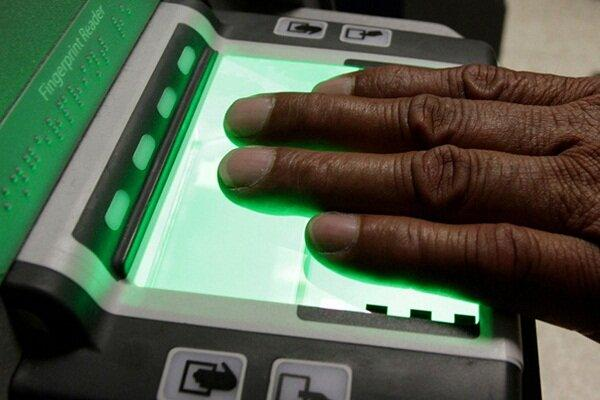
Fingerprints now show up in many ordinary interactions with institutions. They are used for candidate verification, identity registration, banking, immigration and other services in different countries.
In Nigeria, JAMB uses them for candidate verification, NYSC collects biometric information for identity-related purposes, while banks use biometrics through the Bank Verification Number (BVN).
JAMB has a procedure for candidates with biometric abnormalities. Its published guidance says such candidates can be handled through a special arrangement at its headquarters in Abuja and take the examination there on the final day of the examination calendar.
The condition has an unusual name in medical literature: “immigration delay disease.” The term came from the experience of people who ran into problems travelling because their fingerprints could not be recorded for identification.
In one published case, a woman with congenital absence of fingerprints had difficulties travelling to other countries; the researchers who described her case used the phrase because of the problem it caused at immigration checks.

What can replace a fingerprint?
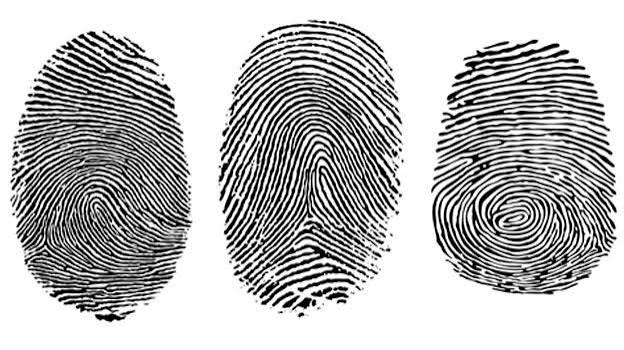
Facial recognition and iris recognition offer other ways of identifying people, and systems can combine more than one biometric.
Non-biometric options are possible too, including official documents, secure codes, other identity factors and human verification.
But replacing one biometric with another does not make the privacy issue disappear.
A face or iris pattern may solve a fingerprint problem, but it also creates another piece of highly personal information that has to be stored and secured. Unlike a password, a biometric cannot simply be changed after it is compromised.
The practical issue is the exception process. Someone who cannot provide a fingerprint needs a clear route to another form of verification, rather than having to explain the same situation at every registration desk, bank branch or government office.
For Jidds and others like her, the difficulty is having to explain the same physical fact each time a fingerprint becomes the required proof of identity.
A workable alternative means they can still establish who they are without having to make their bodies fit the machine.