Blast From The Past: Forgotten '70s Childhood Gems Revealed
The world has rapidly evolved since the 1970s, leaving behind numerous once-common technologies and experiences. This article explores how aspects like landline phones, appointment TV, paper maps, and even social norms around public smoking have transformed, highlighting a bygone era of daily life.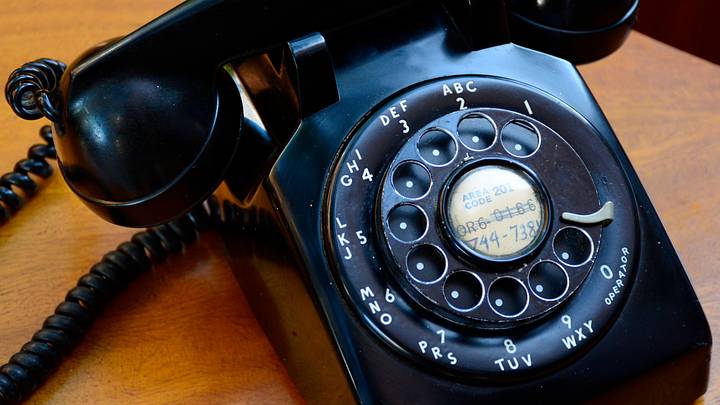
The relentless march of time brings inevitable change, but the speed at which the world has transformed over recent decades, particularly since the 1970s, has been truly astonishing. While this rapid evolution has undeniably simplified many aspects of life—making communication, navigation, information access, and even shopping more convenient—it has simultaneously relegated numerous technologies and experiences of yesteryear to the annals of history. The 1970s, in particular, saw many commonplace elements that are now all but forgotten.
One of the most significant areas of transformation lies in personal communication. Before the ubiquity of cell phones, the landline telephone was the primary means of staying in touch. These phones often featured remarkably long cords, offering a degree of privacy by allowing conversations to be moved into another room. However, a major drawback was the inability to reach a specific individual; one had to call the entire household, often leading to awkward exchanges with family members before locating the desired person. Another unmissable aspect was the stark difference in call charges: local calls were cheap and unlimited, while long-distance calls, especially international ones, were prohibitively expensive, forcing brevity. For those seeking solitude, a simple solution existed: taking the phone off the hook rendered one uncontactable, a stark contrast to today's 'do not disturb' settings or powering down a mobile device. Beyond landlines, CB radio was a prevalent communication tool in the mid-1970s, with its distinct slang like "10-4," "meat wagon," and "good buddy" permeating everyday language, much of which has now faded.
Entertainment and media consumption have also undergone a radical overhaul. Watching films on discs is not new, but the format has evolved dramatically. The late 1970s saw LaserDiscs, which were substantial, LP-sized discs, a far cry from the compact DVDs and Blu-rays of the 21st century. Television reception relied on movable TV antennae, often humorously depicted as requiring manual adjustment and even tin foil for better signal—a practice rendered obsolete by smart TVs. Changing channels was also a hands-on affair, involving pressing, turning, or switching noisy buttons and dials directly on the set, though the idiom "tuning in" persists in the digital age. The concept of "appointment TV" has vanished with digital, cable, and streaming services. Missing a favorite show in the past meant genuinely missing it, with the only hope being a distant rerun. Consequently, printed TV Guide magazines, once essential for planning viewing, have also become relics, replaced by on-screen guides and on-demand content.
Accessing information and navigating the world were also much more tactile. Weighty printed telephone directories were indispensable, with business directories like the Yellow Pages listing local enterprises and domestic directories providing home addresses. Similarly, paper road maps were a fundamental tool for any long-distance journey, often stored in car glove compartments, now largely supplanted by digital navigation systems, except perhaps for niche uses like rural hikes.
Travel and social norms present another striking contrast. Traveler's checks, a common feature of 1970s vacations, offered a safe alternative to cash, being reimbursable if lost or stolen; their utility has been negated by the rise of credit/debit cards, PINs, and wireless payments. Hitchhiking, a once-common sight on highway on-ramps and a staple of many films, saw its peak popularity in the 1960s and 1970s but has largely disappeared. Perhaps one of the most significant shifts in social norms is around smoking. In the 1970s, smoking was pervasive, tolerated on airplanes, in shopping malls, and even in hospitals. Reflecting this widespread habit, cigarette vending machines were also a common fixture. These practices are now almost universally banned or heavily restricted.
Even aspects of shopping and daily life have transformed. Wintertime once meant Christmas catalog surfing, where families would pore over department store catalogs, circling desired items for Santa—a tradition replaced by online shopping carts and digital wish lists. The seasonality of fruits, vegetables, and other produce was also far more pronounced. Unlike today, where industrial greenhouses, climate-controlled polytunnels, and genetically modified foods ensure year-round availability of even soft summer berries, consumers in the 1970s were more attuned to local harvest seasons. Furthermore, the very concept of having "nothing to do" or "nothing to play with" was a more common and accepted experience, a stark contrast to the constant digital engagement and endless entertainment options available today.