Beyond Cold Storage: Koolboks Unveils Ambitious Vision After 1000 Days
Koolboks, founded by Ayoola Dominic, addresses the critical lack of stable electricity and cooling in Sub-Saharan Africa by providing affordable solar-powered freezers. What began as a challenging startup operating from a bedroom warehouse evolved through critical pivots, leading to over 10,000 units sold and a strategic shift towards becoming a data-driven platform for financial inclusion.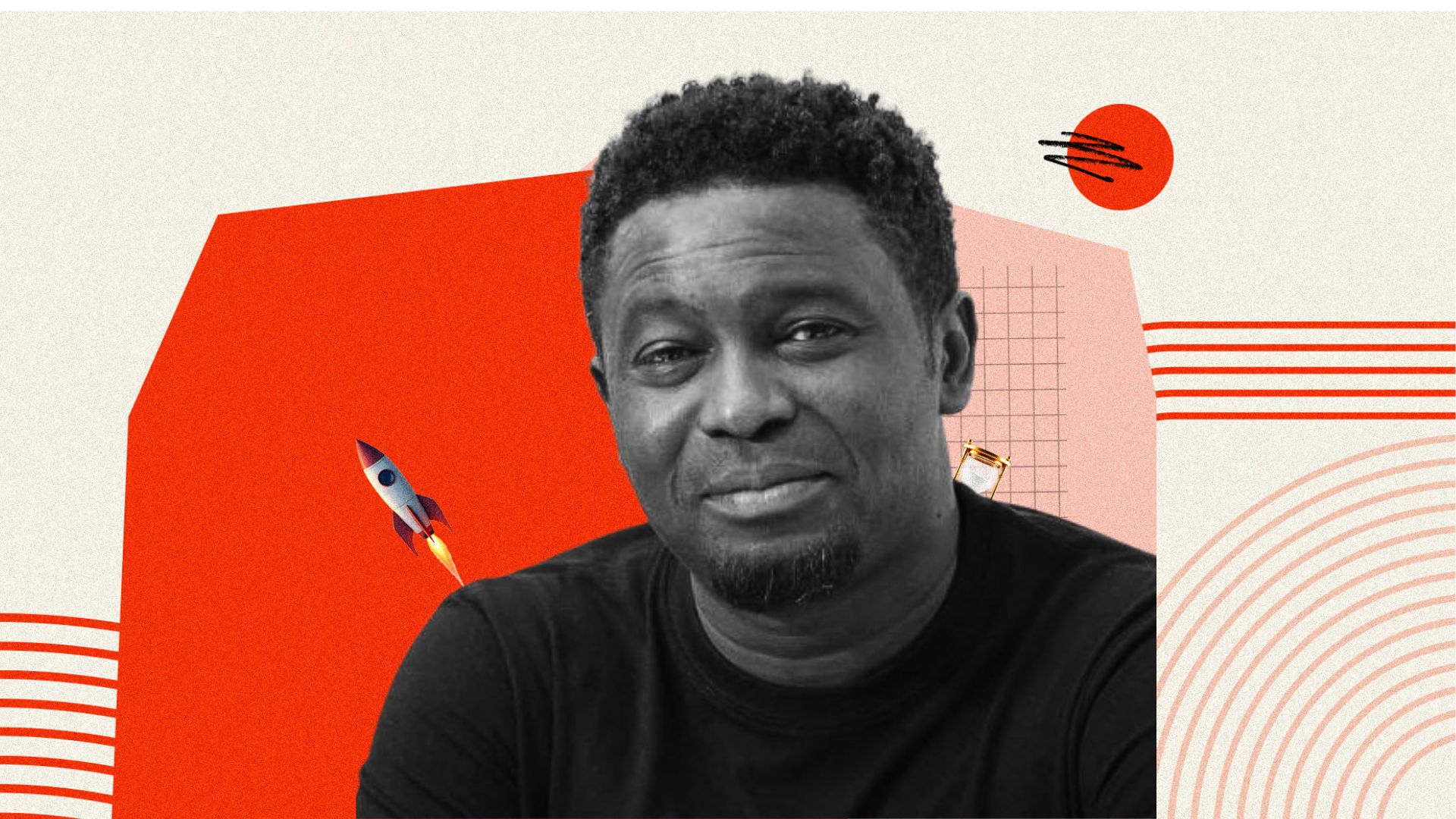
In Sub-Saharan Africa, a significant challenge faced by a vast majority of the population is the instability or complete absence of electricity. This pervasive issue contributes to numerous problems, including diminished productivity, exacerbated effects during heat waves, and an overall substandard quality of life. On a more profound, structural level, the unreliable power supply forces businesses to invest in supplementary electricity sources, which invariably inflates operational costs. Similarly, hospitals must meticulously plan for power outages, especially when storing sensitive medications, highlighting the far-reaching and critical implications of this energy deficit.
It was this fundamental problem of inconsistent cooling due to power inefficiencies that sparked the vision for Ayoola Dominic. Driven by a desire to revolutionize the cooling experience, he made the bold decision to leave a two-decade-long career spanning various industries. His aim was to launch Koolboks, a company dedicated to making solar-powered freezers affordable and accessible to everyone. Since its inception, Koolboks has successfully sold over 10,000 units across Africa and has secured a total of $11 million in funding, yet for Dominic, this is merely the beginning of their journey.
The mission for Koolboks was clear from day one: to democratize cooling. Dominic vividly recalls the genesis of the company, stating, “Koolboks was born out of wanting to revolutionise the way people experience cooling.” The urgent need for such a solution is underscored by the statistic that over 600 million people in sub-Saharan Africa lack access to electricity. This energy poverty results in substantial food waste and critically impedes vital medical refrigeration. However, a noble mission alone does not sustain a nascent business. The early days were marked by immense grit and personal sacrifice.
Initially, the team comprised just Dominic, his co-founder, and their first investor. With no initial cash flow, Dominic poured his personal savings into securing the very first orders. His living quarters transformed into the company’s operational hub. He recounted the challenging reality: “Day one was, as usual, extremely tough. I had to sleep on the floor for a couple of months because I had to leave my initial company.” His own bedroom became the warehouse, and he went as far as selling personal belongings like his couch to generate enough capital. In those formative months, Ayoola shouldered multiple roles, acting simultaneously as the supply chain manager, warehouse manager, finance manager, and salesman.
Their inaugural product was a humble one: a basic fridge. It featured an LED bulb and a USB port, essentially an "upgraded cooler." However, it had significant limitations. The batteries were small, offering only a few hours of power, and its cooling capabilities were far from efficient. Dominic wryly observed, “Once you open it like three times, you are not even sure if it’s a cupboard or a fridge, right?” Despite these initial shortcomings, the demand was evident, and people purchased the product, signaling a promising start.
The Koolboks team soon identified small businesses, particularly those dealing in frozen foods, as their primary target audience. This insight led them to the bustling Ijora fish market in Lagos. It was there that they encountered their first truly impactful customer, a woman known as Mama Ibadan. They installed a freezer in her shop as a demonstration. The success was undeniable; after two to three weeks, Mama Ibadan adamantly refused to part with the freezer. This pivotal moment secured Koolboks’ first loyal customer, who continues to be an advocate for their products to this day.
The most profound lessons, however, emerged when the freezers were deployed in real-world market conditions, yielding results that were, at times, literally explosive. Dominic candidly admitted, “We got into trouble a number of times.” The team quickly realized that their lab-tested technology, designed in a controlled environment in France, was simply not robust enough to withstand the severe demands of a Nigerian fish market. He elaborated on the harsh conditions: “A typical fish trader opens a freezer hundreds of times a day. The typical shop is very small and has a pan roof and the temperature in that shop on a normal day is about 40° C, no fan.” Under such relentless stress, the compressors would overheat and, within days, explode. This unforeseen reality necessitated a critical pivot for the company’s survival.
Going back to the drawing board was imperative. Koolboks had to fundamentally redesign its core components. They switched compressors to ones specifically built to accommodate the extreme environmental conditions. Furthermore, they upgraded their battery technology, moving from lead-acid batteries, which had a mere one-year lifespan, to more durable, long-lasting lithium batteries. This change was crucial, as customers on a two-year payment plan would inevitably cease payments once the original, short-lived battery failed. This adaptation saved the company and became a cornerstone of their product’s resilience.
Today, Koolboks has significantly expanded its reach, having sold over 10,000 units across 23 countries. Yet, the journey of continuous adaptation did not cease. A new obstacle emerged as the primary impediment to further scaling: the supply chain. Dominic acknowledged the challenge: “If we go at this pace only 10,000 freezers in four years, and we are claiming that we want to make refrigeration affordable and accessible… we’re far from it.” This realization spurred their next major evolution: the development of KoolPay.
KoolPay represents a significant shift from merely manufacturing their own units. It is a technology designed to convert any existing freezer into a solar-powered, pay-as-you-go appliance. This innovative approach empowers Koolboks to pursue its mission of democratizing cooling on a vastly broader scale by leveraging existing infrastructure. However, the most profound transformation lies in Ayoola Dominic’s evolving perception of the company’s identity. “A lot of people think we’re actually a freezer company. Yes, that was how we started, but in realistic terms, we’re actually a data company,” he revealed.
The embedded Internet of Things (IoT) technology within their freezers continuously collects vital data points, including temperature, location, and usage patterns. This rich stream of data forms the bedrock for a much grander vision. Dominic articulates this expansive ambition: “We are asking ourselves a very big question. Why are we not able to connect a fish farmer in a rural area with a frozen food seller in the city? Why? Because we have the data to do so.” The ultimate goal for Koolboks’ next chapter is to evolve into a comprehensive platform. This platform aims to leverage the collected data to connect average fish sellers with a wealth of opportunities, including access to microfinance banks, which were previously inaccessible due to a lack of verifiable data. Reflecting on the customers who have been instrumental in shaping this remarkable journey, Ayoola expresses profound respect, stating, “I see strength. I see resilience. I see hard work… I just respect them when I see them.” The company that began with a modest prototype in a bedroom is now actively constructing a future where a freezer transcends its role as a mere appliance, becoming a powerful gateway to financial inclusion and economic connection for thousands across Africa.