Before Instagram and WhatsApp, Which Social Networks Ruled Nigeria?
Before Instagram, and WhatsApp dominated social media, forgotten platforms shaped Nigerian teenage culture, friendships and digital identity for an entire generation.
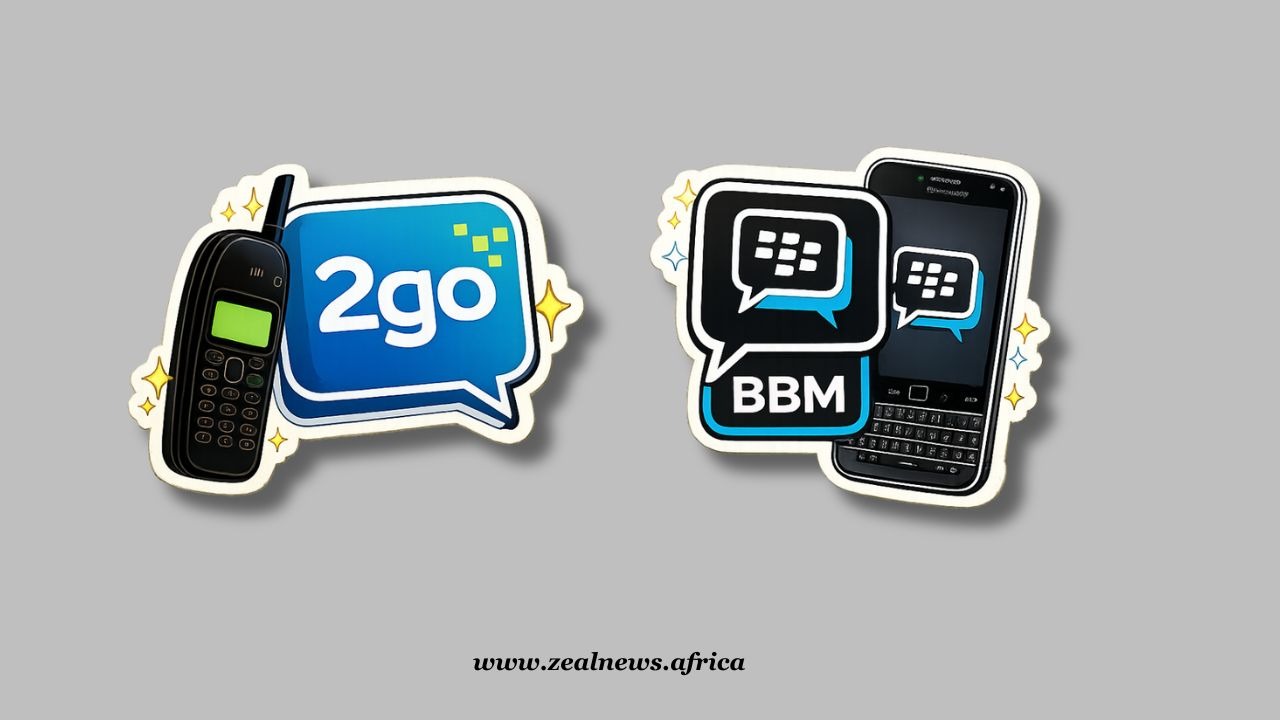
Ask a young teenager today what 2go or BlackBerry Messenger (BBM) is, and you'll probably be met with a brief pause.
They might squint, search their memory, or assume you're talking about another forgotten app buried somewhere in the history of the internet. For a generation raised on Instagram Reels, TikTok trends and Snapchat streaks, the names might barely register.
But for millions of Nigerians who grew up in the late 2000s and early 2010s, those two platforms weren't just messaging apps. They were where friendships began, relationships flourished, gossip travelled, school cliques expanded, and teenage identities were quietly shaped.
Long before influencers chased followers and algorithms decided what we saw online, Nigerian teenagers were already building digital communities. They just did it differently.
And before WhatsApp made messaging almost invisible through simplicity, BBM had already turned communication into a status symbol.
Before Social Media Became Content, It Was Simply Connection
There was something remarkably simple about the internet back then. You didn't wake up wondering how many people liked your latest post because there was actually nothing to post.
Back then, nobody was chasing virality or creating content calendars. Social media wasn't yet a career. It was simply a place to talk, connect, and unwind.
For many Nigerians, that journey began with 2go. Built originally as a mobile instant messaging platform, 2go exploded across secondary schools, universities and neighbourhoods because it worked on the phones people actually owned.
Nokia, Tecno, Samsung feature phones and countless Java-enabled devices suddenly became gateways into an entirely new social world. People joined public chatrooms named after their schools, cities or interests. Friend requests came from strangers. Display pictures changed almost daily. Status updates became subtle ways of expressing emotions without saying too much.
Many friendships that later spilled into classrooms, campuses and even marriages began inside a 2go chatroom.
Then there was BBM. Unlike 2go, BBM wasn't available to everyone. You needed a BlackBerry phone. That requirement changed everything.
BBM Was a Status Symbol Before WhatsApp Made Everyone Equal
Owning a BlackBerry in Nigeria during the BBM era was about far more than making calls. It signalled aspiration.
Students proudly carried Curve 8520s, Bold 2s, Bold 5s and Torch devices into classrooms. Parents stretched budgets to buy them because they were seen as educational tools, while teenagers saw them as passports into an exclusive digital club.
Even the language felt premium. PINs replaced phone numbers. Broadcast messages became an art form. Display names carried an attitude. Changing your display picture after buying new clothes felt almost like announcing a personal milestone.
History
Rewind the Stories that Made Africa, Africa
A Journey Through Time, Narrated with Insight.
Being asked, "What's your PIN?" carried a different weight from being asked for your number. It meant you belonged. Looking back, BBM quietly introduced something that today's social platforms rarely acknowledge: digital exclusivity.
WhatsApp eventually changed all of that. When it expanded across Android devices, messaging stopped being tied to a particular phone. Suddenly everyone, regardless of whether they owned an expensive smartphone or an entry-level device, could join the same conversations.
In many ways, WhatsApp democratised messaging. It made communication easier. It also ended an era where the device in your pocket quietly defined your digital identity.
The Internet Was Smaller, But Somehow It Felt More Personal

Today's social media platforms are designed around visibility. Everything competes for attention. Followers. Views. Likes. Shares. Algorithms decide whose content deserves to be seen. Back then, the internet felt different.
Your online world was usually made up of classmates, cousins, church friends, and people you genuinely interacted with. Conversations happened in real time instead of being performed for public audiences.

Even misunderstandings unfolded differently. Someone changed their BBM status, and suddenly everyone wondered who the message was directed at.
A heartbreak announcement rarely exceeded one cryptic sentence. Friends responded almost immediately. It felt personal because it was. Nobody worried about building a personal brand. People were simply being themselves.
Ironically, many users who now struggle with social media anxiety probably spent hours on BBM or 2go without ever worrying about engagement metrics. The platforms encouraged communication more than performance. Perhaps that is what many people miss without even realising it.
Those Apps Didn't Just Connect Teenagers. They Defined a Generation
Technology rarely disappears overnight. It slowly becomes memory. BBM eventually lost ground as BlackBerry's dominance faded. WhatsApp became the global standard for messaging. Instagram shifted attention towards photos. Snapchat introduced disappearing moments. TikTok transformed entertainment into an endless scroll.
Meanwhile, 2go quietly slipped into internet history. Yet their influence never truly disappeared. They taught an entire generation how to exist online before social media became an industry.
They introduced Nigerians to digital friendships long before dating apps became common. They normalised online communities before Facebook groups became mainstream. They proved that mobile communication could reshape youth culture years before smartphones became affordable to everyone.
More importantly, they captured a version of the internet that felt slower, simpler and perhaps a little more human.
Today's teenagers may never understand the excitement of finally owning a BlackBerry, exchanging PINs after school or spending midnight chatting on 2go because data subscriptions were cheaper at night.
They may never know why someone guarded their BBM display picture like a prized possession or why a broadcast message could become the biggest conversation in class the next morning.
And that's okay. Every generation has the platforms that define it.
History
Rewind the Stories that Made Africa, Africa
A Journey Through Time, Narrated with Insight.
For today's teenagers, it may be TikTok, Instagram or whatever comes next. But for millions of Nigerians, social media didn't begin with influencers, reels or creators.
It began with a small green icon called 2go and a tiny speech bubble inside a BlackBerry.
The platforms may be gone. The memories never left.