Are Mosquitoes Actually Useful? The Truth Most People Don't Know
Mosquitoes spread disease but science says eliminating them could break ecosystems. Discover their surprising roles as pollinators, food sources, and nutrient cyclers.
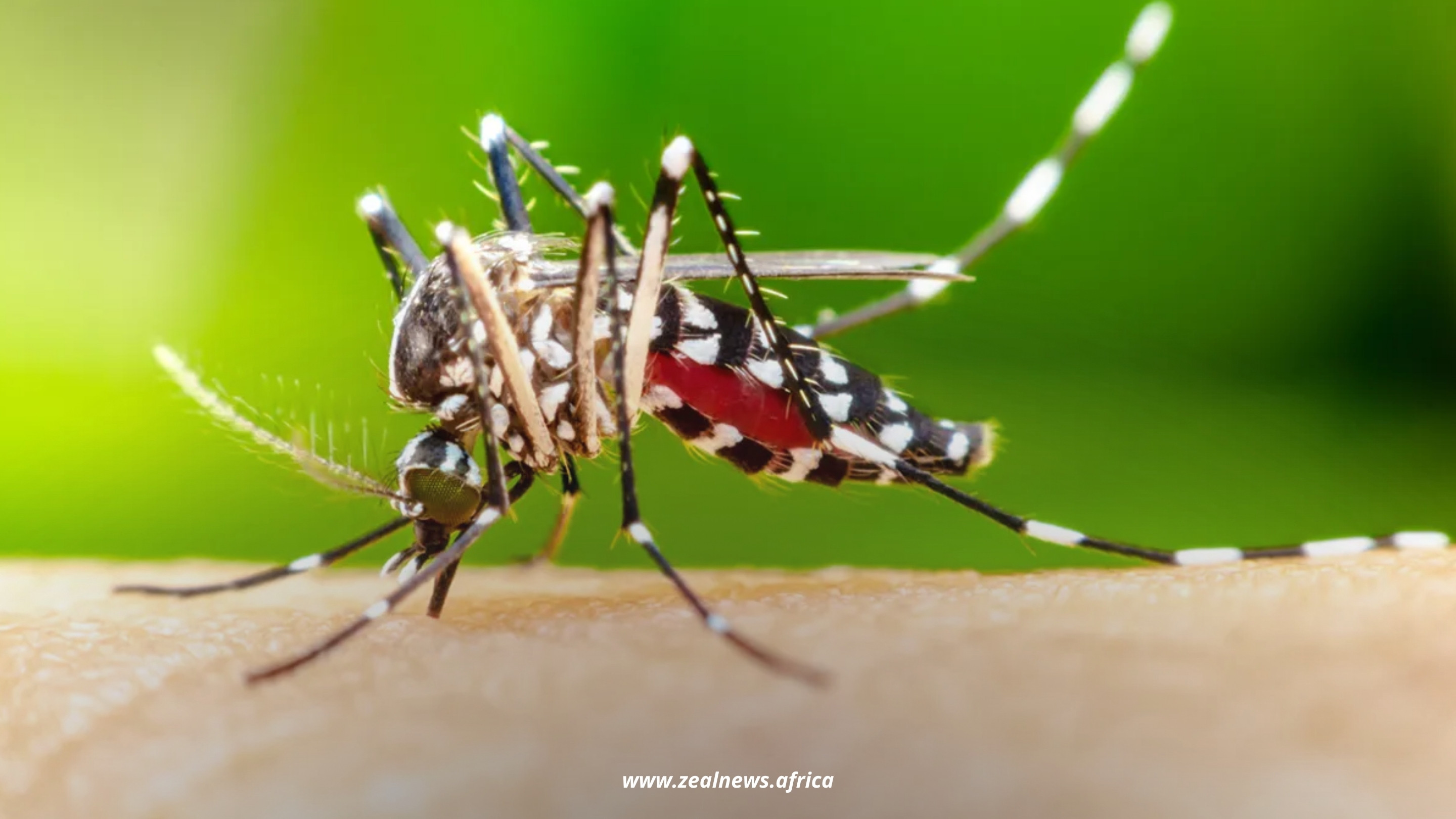
Every rainy season, it is a normal phenomenon to see more mosquitoes than any season during the year. Enough mosquitoes to make you question why God made them in the first place and to be honest, mosquitoes have earned that reputation.
They are known as nature's most annoying creatures, and with diseases like malaria, dengue, and Zika attached to their name, it is hard to argue otherwise.
But do you know that getting rid of every single mosquito on earth would actually break something? Science has proven it.
The Ecological Role of Mosquitoes: More Than Just a Pest
There are over 3,500 known mosquito species on earth, found on every continent except Antarctica. Of those, only a small fraction are responsible for disease transmission in humans. The rest are doing the quiet, unglamorous and essential work inside some of the world's most complex ecosystems.
Beyond their nuisance factor and ability to transmit diseases, mosquitoes play a crucial part in maintaining ecological balance. The problem is that mosquitoes are so deeply associated with illness that their contributions to the natural world are less known.
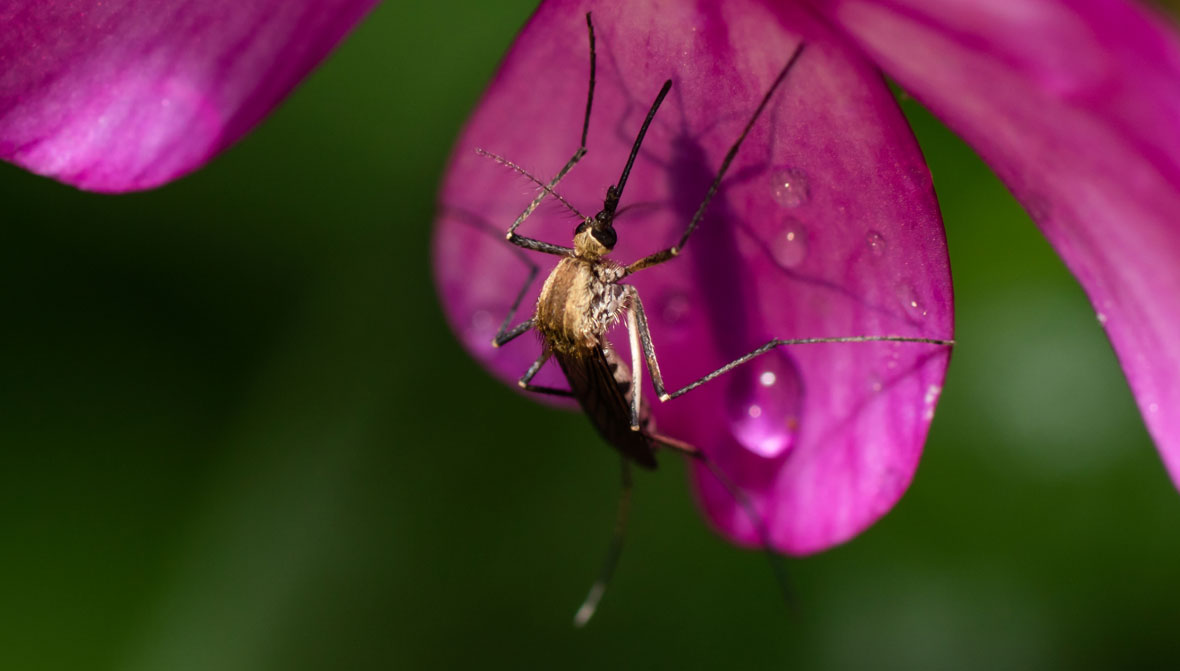
Mosquitoes as Pollinators: The Underrated Role in Plant Reproduction
Most people know bees pollinate plants. Fewer know that mosquitoes do too. Female mosquitoes require nectar as a source of energy before and after blood feeding.
During this process, they inadvertently transfer pollen from flower to flower, aiding in the pollination of various plant species.
Male mosquitoes, for their part, never bite at all. They survive entirely on plant nectar and are consistent, if underappreciated, pollinators. In ecosystems where other pollinators are scarce or seasonal, mosquitoes fill a gap that would otherwise go unfilled.
A 2023 paper published in the Journal of Ecosystem and Ecography confirmed that this incidental pollination, though not as efficient as that performed by specialized pollinators, still contributes to plant reproduction and the diversity of plant communities.
There are even wild orchid species for which mosquitoes serve as the primary pollinator.
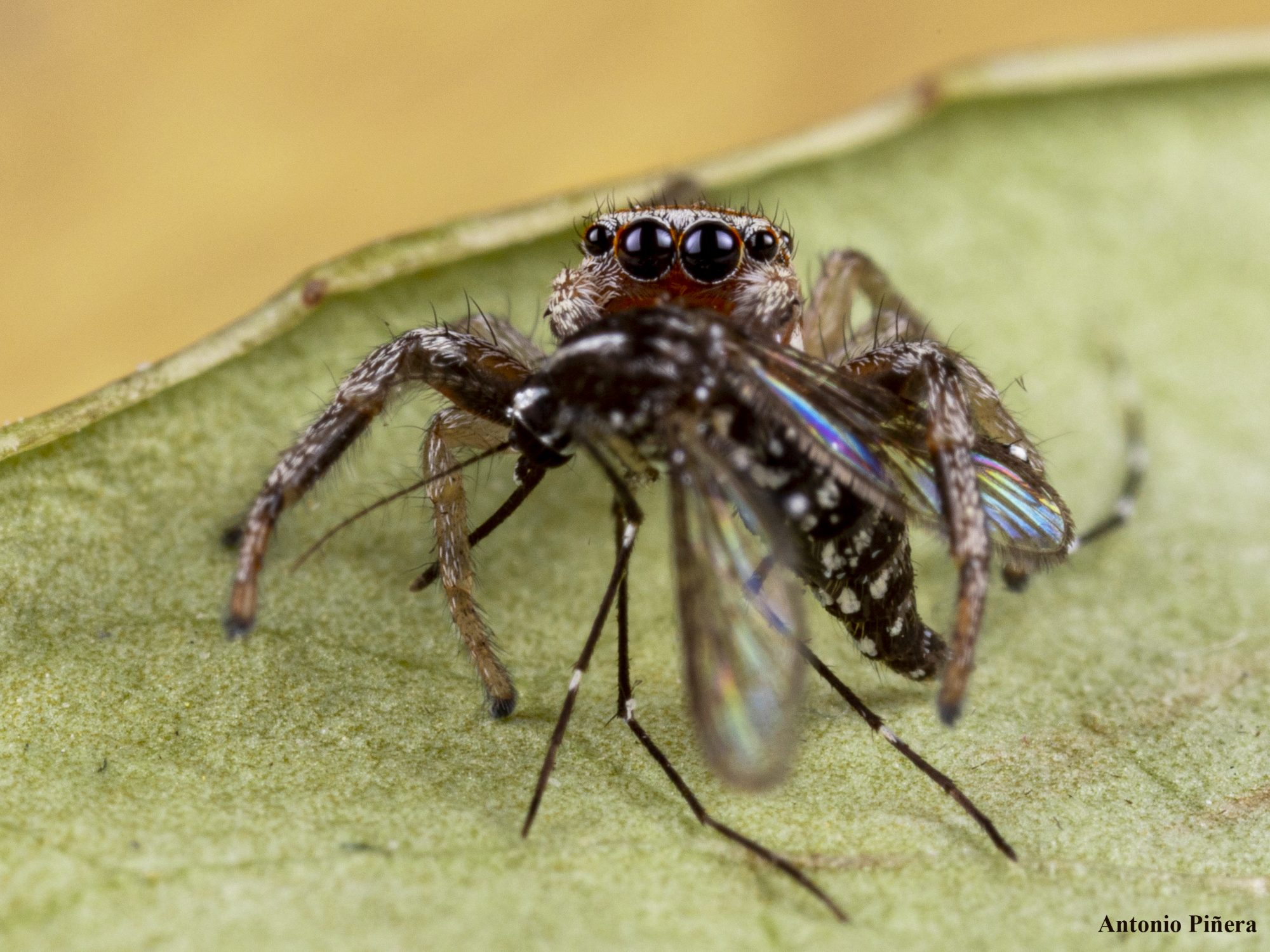
Mosquitoes in the Food Web: What Eats Them Might Surprise You
The direct ecological benefits of mosquitoes include serving as an important food source for fish and birds, often because the insects are plentiful and easy to catch.
Both adult mosquitoes and their aquatic larvae are consumed by numerous species. Larval mosquitoes are filter feeders, consuming algae, bacteria and detritus in aquatic environments. In turn, they become a primary food source for fish, dragonfly nymphs, diving beetles, tadpoles, and even some aquatic birds.
In standing water of lakes and streams, mosquito eggs and larvae make up a substantial portion of the biomass, providing food not only for fish but also for turtles, amphibians and larvae of other insects like dragonflies.
Hummingbirds, swallows, bats, frogs also depend on mosquitoes. Take mosquitoes out of that chain and you create nutritional gaps that ripple upward through entire food webs.
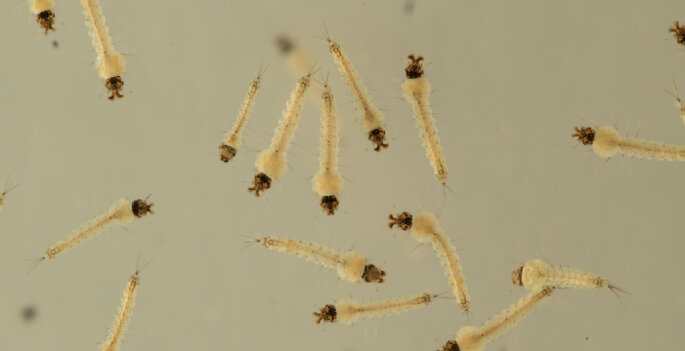
Nutrient Cycling: The Silent Work Mosquito Larvae Do in Water
A 2024 study published in the Journal of Mosquito Research found that as larvae, mosquitoes feed on organic matter in water bodies, aiding in decomposition and nutrient redistribution. This activity helps break down organic material, which releases nutrients back into the ecosystem, supporting plant growth and maintaining soil fertility.
A separate study published in Aquatic Sciences examined what happened to floodplain food webs when mosquito larvae were eliminated using a biological control agent.
The results showed measurable shifts in nitrogen transfer across the soil food web, with researchers concluding that repeated removal of mosquito larvae may have wider, still largely unknown implications for nutrient and energy cycles within floodplain ecosystems. In other words, removing mosquito larvae from the equation changes how nutrients move through an entire landscape.
Additionally, a study on pitcher plant ecosystems published in PLOS ONE found that mosquito larvae acted as top predators in a five-trophic-level aquatic food web, and indirectly increased bacterial decomposition by preying on bacterivorous protozoa, demonstrating that their influence on microbial communities goes far deeper than most people assume.
What Would Actually Happen If Mosquitoes Went Extinct?
Scientists have genuinely debated this. The honest answer is nobody knows and that uncertainty is itself the point. Without mosquitoes, many creatures would struggle to find enough nourishment, leading to a decline in their populations and a ripple effect across the ecosystem.

Mosquitoes are not redeemable. They carry real diseases that kill real people, especially across sub-Saharan Africa. But the question was never whether mosquitoes are likeable or dangerous, it is whether they are useful, and science, increasingly, says yes.