Andrew Tate Faces New Assault and Human Trafficking Charges. Will His Followers Care?
Andrew Tate and Tristan Tate face new rape and human trafficking charges, but many followers, especially among Africa's online masculinity movement, may see the allegations as further proof of their influence rather than a reason to abandon their message.
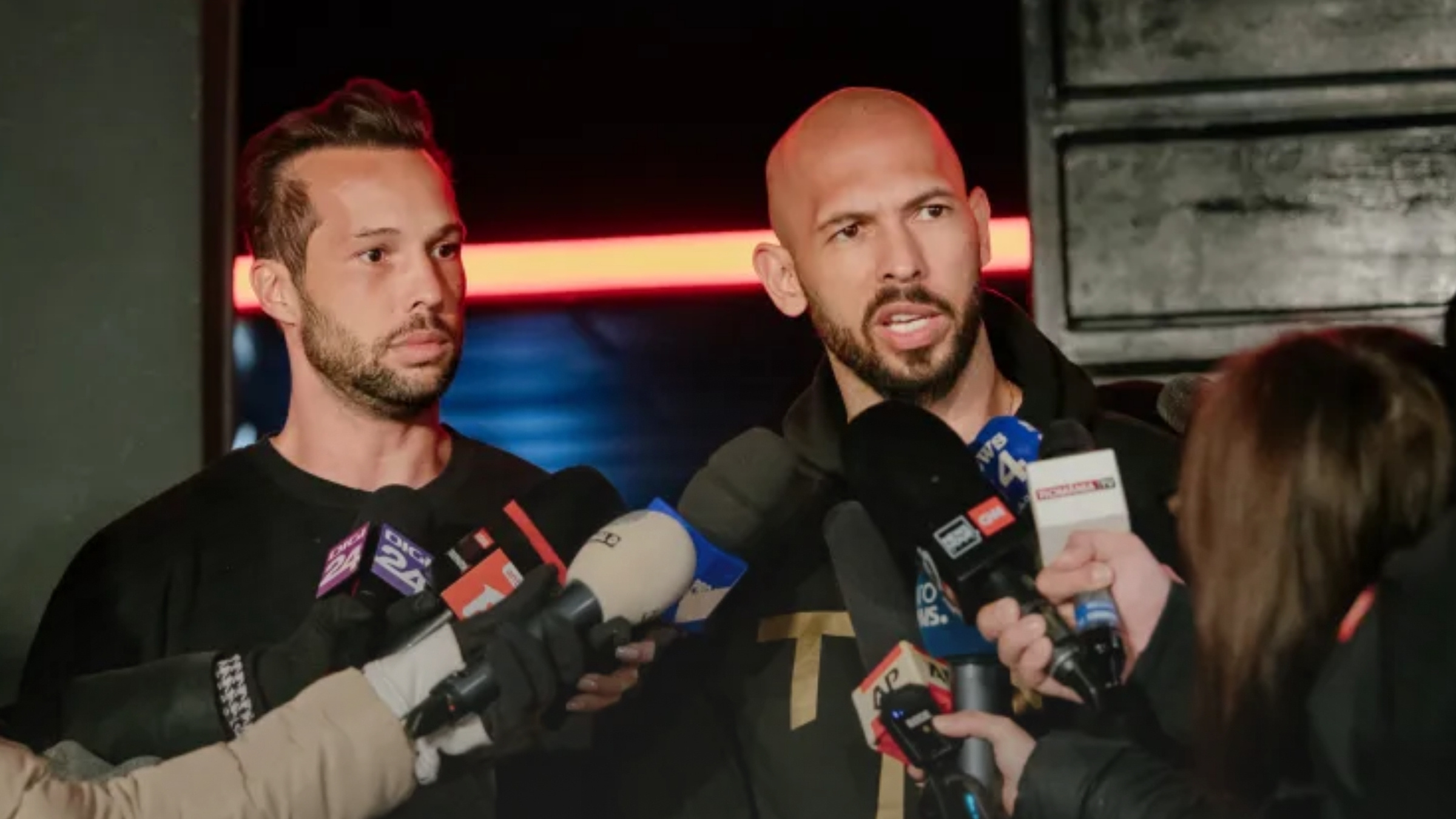
US Marshals arrested Andrew Tate and his brother, Tristan, in Miami on a sealed warrant, hours after Britain's Crown Prosecution Service confirmed it was pursuing fresh rape and human trafficking charges against both men.
The CPS added several new alleged victims to a case that already included charges of rape, trafficking for sexual exploitation, actual bodily harm and offenses involving indecent images of children.
Andrew Tate now faces dozens of charges tied to alleged offenses between 2010 and 2017 in England. Tristan Tate faces similar charges.
Both men deny wrongdoing and say the sexual activity in question was consensual. Their lawyers expect them to fight extradition when they appear in a Miami court.
For most of the world, this is another chapter in a legal saga and for a specific demographic, the reaction will not be legal analysis. It will be defense.

The Andrew Tate Masculinity Template and Its African Export
Long before "human trafficking indictment", Andrew Tate had already built a template. He packaged aggressive confidence, contempt for weakness, financial hustle presented as self-respect and open disdain for feminism as truth-telling for his male audiences.
Young men across continents adopted that template as a whole, and Africa, especially Nigeria, was one of its most fertile markets.
It is not an exaggeration to say Tate shaped the language an entire generation of African men now use to talk about money, women and self-worth. Before Tate went viral globally, the "alpha male" content ecosystem barely existed in African digital spaces. Afterward, it exploded.
Twitter, now X, became the platform for its launch. One of the earliest and most visible local adopters was a creator many remember simply as Shola, whose threads on masculinity, dating and "getting your mind right" mirrored Tate's cadence almost line for line.

Shola was the opening act. Soon, a wave of copycat accounts followed, each one refining the formula for a local audience. They wrapped Tate's script in pidgin, church references and street credibility.
Podcasts, YouTube channels and Instagram pages also built entire followings on repackaging Tate for African men.
Why Legal Trouble Rarely Dents Parasocial Loyalty
Tate's arrests, indictments and now expanded charges have never meaningfully dented his following. If anything, each legal escalation gets folded into the same narrative his disciples already believe: a successful, unapologetic man will always be targeted by a system threatened by his influence.
Persecution becomes proof of relevance rather than a reason for scrutiny.
African followers who adopted the Tate template rarely engage with him as a symbol.
Social Insight
Navigate the Rhythms of African Communities
Bold Conversations. Real Impact. True Narratives.
The charges are abstract, distant and filtered through Western courts. The lifestyle he sold – dominance, hustle, control, financial escape from a system stacked against young men – is concrete and local.
Nigerian and other African men who felt disrespected by economic hardship or humiliated in relationships were never going to abandon a framework that made them feel powerful just because a court in London filed new paperwork.
What This Means for Nigeria's Online Masculinity Movement
The bigger question is not whether Andrew Tate goes to prison. It is what happens to the ecosystem he inspired locally.
Shola and the creators who came after him built platforms, monetized courses, and in some cases moved from X threads into actual coaching businesses teaching Nigerian men how to "lead" and "provide"; that machinery does not disappear because the original architect is facing an extradition hearing.
If anything, some of these local figures have already outgrown their dependence on Tate's name and built independent audiences who trust them more than they trust any foreign influencer.

The truth remains that Tate's African followers were never really following a man. They were following a feeling and the promise that hypermasculinity was the antidote to economic and romantic humiliation.
That promise survives arrests, charges and it will likely survive whatever verdict eventually comes out of a UK courtroom.