Amupitan Under Fire: Can He End Electoral Glitches and Restore Faith?
Professor Joash Ojo Amupitan's nomination as the new INEC Chairman has set high expectations for reversing Nigeria's declining voter trust and participation. He faces a monumental task of reforming an electoral system plagued by allegations of manipulation and technological failures, amidst demands from parties like the PDP and LP for transparent and credible elections.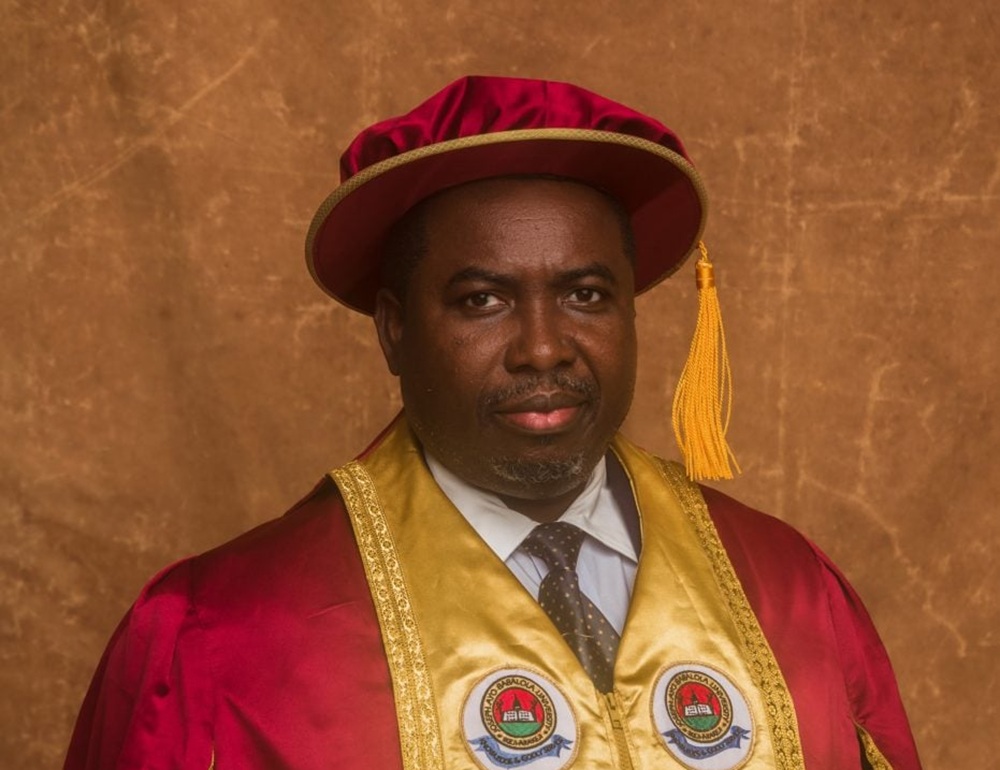
Professor Joash Ojo Amupitan has been nominated to succeed Professor Mahmood Yakubu as the Chairman of the Independent National Electoral Commission (INEC), an appointment that carries immense expectations and a heavy burden to reform Nigeria's electoral landscape. His designation comes at a critical juncture for Nigerian democracy, marked by a significant trust deficit in the electoral system and dwindling voter participation. Both opposition parties and civil society groups have voiced their demands for a truly independent, transparent, and credible electoral process under his leadership, aiming to end the "inglorious era of glitches and inconclusive elections."
The challenges facing Professor Amupitan are multifaceted and deeply entrenched. Nigeria has witnessed a continuous decline in voter turnout since 2011. In the 2011 presidential election, 53.7 percent of registered voters participated, which dropped to 43.6 percent in 2015, further to 34.75 percent in 2019, and plummeted to a historic low of 26.7 percent in 2023. This unprecedented apathy, particularly stark in southern Nigeria where turnout fell below 25 percent, highlights a profound crisis of confidence. Observers attribute this decline not only to logistical shortcomings but also to widespread allegations of manipulation and an erosion of public trust.
During Professor Yakubu's tenure, efforts to enhance transparency through reforms like the Bimodal Voter Accreditation System (BVAS) and the INEC Result Viewing Portal (IReV) largely failed to achieve their desired impact. Electoral observers from Chatham House and CSIS noted that flawed implementation, logistical failures, and IReV's limited functionality contributed significantly to public mistrust in the 2023 elections. Specifically, the portal's failure to display complete results even after presidential declarations fueled rumors of manipulation, deepening skepticism. Beyond technological issues, external factors such as voter suppression, intimidation, and election-day violence orchestrated by political actors were also cited as major contributors to undermining participation and trust.
The appointment process itself has drawn criticism. Stakeholders argue that a sitting president, especially one expected to run in the next election, should not appoint the electoral umpire who will oversee his election, citing a potential conflict of interest. Figures like Rauf Aregbesola of the African Democratic Congress (ADC) and Chief Femi AlukoAlafe of The Yoruba Initiatives have expressed concerns that such appointments inherently compromise the independence and fairness of the process. There have also been calls to look beyond academia for INEC chairmanship, a tradition that has seen all but one chairman since 1987 come from a professorial background. Critics point to past controversies, including Professor Maurice Iwu’s widely condemned handling of the 2007 elections, and recent convictions of professors for electoral fraud, such as Peter Ogban and Ignatius Uduk, as evidence of the limitations of this precedent. Suggestions have emerged to consider strong, respected judges or retired military officers with international experience as alternatives.
Despite these criticisms, President Bola Tinubu has adhered to precedent, nominating Professor Amupitan, a Senior Advocate of Nigeria (SAN), who brings managerial experience as a former Deputy Vice-Chancellor of the University of Jos and Pro-Chancellor of Joseph Ayo Babalola University. Described by the presidency as "apolitical," Amupitan has largely avoided public controversy, though he notably defended then-Speaker Yakubu Dogara during the 2016 "budget padding" controversy, arguing it was not a crime under Nigerian law. As INEC chairman, he is expected to leverage his academic discipline, institutional experience, and legal expertise, but will undoubtedly face the same pervasive structural and political challenges that plagued his predecessors, including result manipulation at the grassroots level, vote buying, and local-level corruption across Nigeria's 176,846 polling units.
To address these systemic issues, stakeholders are pressing for crucial reforms. There is a strong demand for amendments to the electoral law that would explicitly mandate real-time uploading of polling unit results to the IReV portal, thereby eliminating the current legal ambiguity that hampered its effectiveness in 2023. Additionally, calls have been made for Professor Amupitan to strengthen INEC’s collaboration with law enforcement agencies, particularly the police and the Economic and Financial Crimes Commission (EFCC), to curb electoral bribery and ensure tighter coordination with security personnel to prevent voter suppression and intimidation.
Political parties have responded to Amupitan’s nomination with a mix of demands and internal strategizing. The Peoples Democratic Party (PDP), through its National Publicity Secretary Honourable Debo Ologunagba, emphasized that the Senate must be thorough in screening the nominee, asking "all the relevant and important questions voters expect to hear from them." The PDP reiterated its stance on the necessity of strong institutions and the critical role of INEC in sustaining democracy. Meanwhile, the party downplayed rumors of several governors defecting to the ruling All Progressives Congress (APC), clarifying that the PDP is about the people, not individuals, and dismissed such defections as often induced by coercion. The party is focused on its upcoming convention in Ibadan on November 15, aimed at electing a new National Working Committee (NWC) to prepare for the 2027 elections, with Oyo State Deputy Governor Dr. Adebayo Lawal expressing confidence that the PDP will "bounce back" to form the next Federal Government. The Labour Party (LP), through its Interim National Publicity Secretary Mr. Tony Akeni, also weighed in, urging Professor Amupitan to distinguish himself by serving the interests of the majority of Nigerians rather than those who appointed him, emphasizing the legacy he should strive to leave behind.
In conclusion, Professor Joash Ojo Amupitan's assumption of the INEC chairmanship marks a pivotal moment for Nigeria's electoral future. He inherits an institution grappling with severe trust deficits, declining voter engagement, and persistent issues of manipulation and political interference. The collective voice of political parties and civil society stresses the urgency of comprehensive reforms, transparent processes, and unwavering independence. The successful navigation of these challenges will determine whether Nigeria can restore faith in its democratic institutions and ensure that the will of its broader population is truly reflected in future election outcomes.