Akwa Ibom Devastated: Flood Waters Wreak Havoc Across Region
Thousands in Uyo, Akwa Ibom State, have been left homeless after severe flooding submerged homes and businesses due to heavy rainfall. Residents blame poor infrastructure and blocked drains, while environmental experts cite climate change. Governor Umo Eno has directed agencies to assess affected communities and implement urgent flood control measures, including desilting and potential demolition of illegal structures.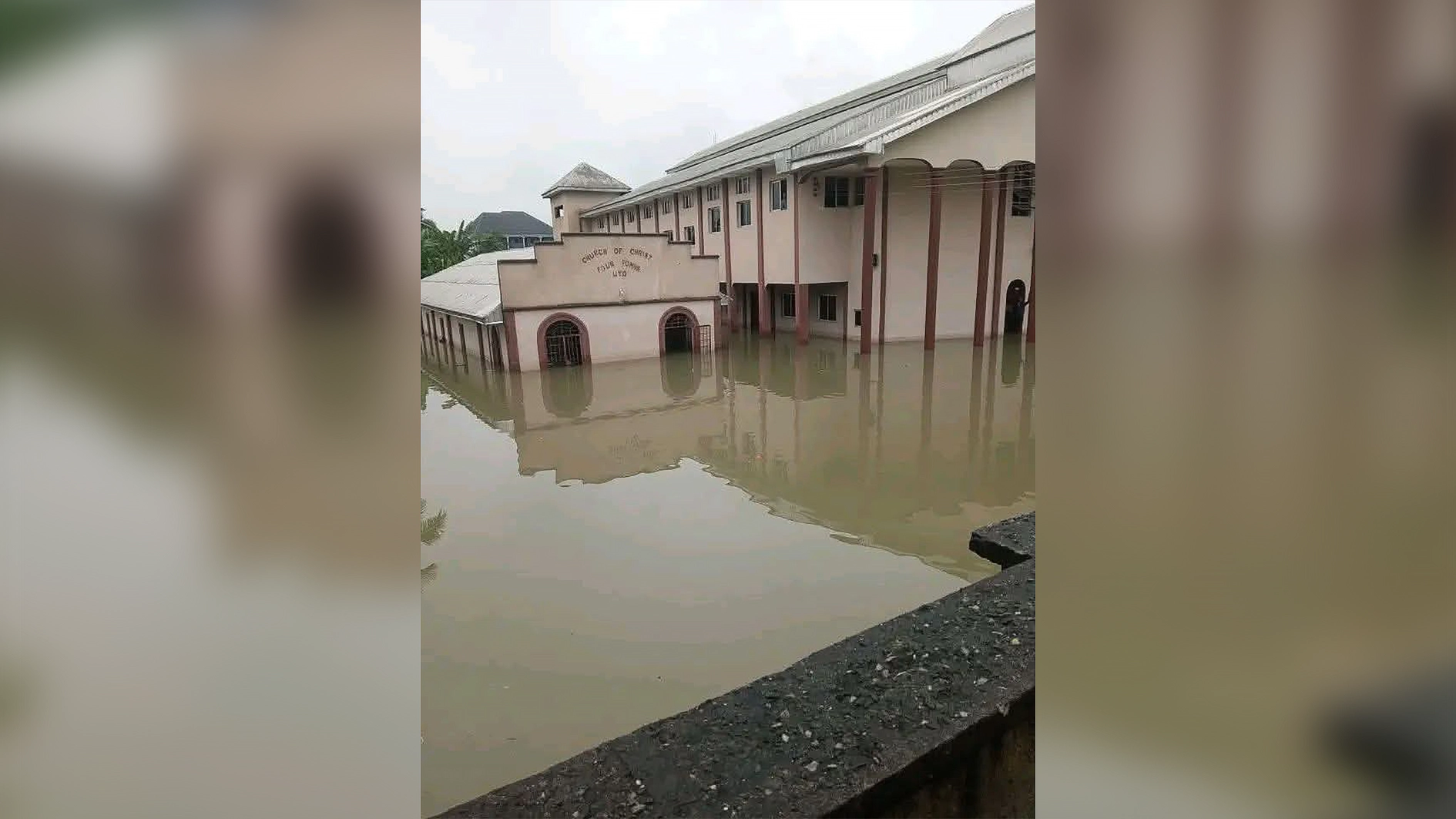
Thousands of residents in Uyo, the capital of Akwa Ibom State, have been displaced and left homeless following severe flooding that submerged homes and business premises. The disaster struck after several hours of relentless heavy rainfall on a Thursday morning, causing widespread devastation across the city. Among the areas most severely affected were Oron Road, Tabernacle Road, Abak Road, Ikot Ekpene Road, Ewet Housing Extension, Nkemba, CAT, Ukana Offot, Uwah, and Aka Itiam streets, indicating a broad impact across various neighborhoods.
The true extent of the flooding became starkly evident through videos shared by residents, depicting entire communities underwater, with numerous houses and even churches completely submerged. One particularly distressing account came from Otuekong Ebong Bassey, who shared footage of his ancestral home. Bassey expressed grave concerns for his family's safety as the entire building was engulfed by water, and his late father's tombstone was perilously close to being washed away. He made an urgent plea to the state government for assistance, highlighting the destruction of household property and the uncertain safety of other occupants.
Many other residents were observed navigating the deep floodwaters by wading or swimming, while others desperately attempted to dry salvaged mattresses and household items outdoors. Reports also emerged of displaced residents being forced to sleep on the streets due to the loss of their homes. Another resident, identified as Anite, echoed the calls for government intervention, emphasizing the widespread destruction of homes, personal property, and household appliances, which has left countless individuals without shelter. Anite appealed directly to Governor Umo Eno to take action to alleviate their suffering, recalling that victims of a similar incident during former Governor Godswill Akpabio’s administration had received compensation.
The causes of this catastrophic flooding have sparked debate among residents and experts. While some residents attributed the disaster to substandard road construction and inadequate drainage works carried out by road project contractors, environmental experts offered a broader perspective. They pointed to climate change, chronic blockage of drainage channels, and generally insufficient flood management infrastructure as primary contributors to the severe inundation. This confluence of factors appears to have overwhelmed the city's ability to cope with heavy rainfall.
In response to the crisis, Governor Umo Eno has issued immediate directives to relevant government agencies, tasking them with identifying flood-prone communities and implementing urgent intervention measures. Deputy Governor Akon Eyakenyi, speaking at a constituency briefing and empowerment programme, conveyed the governor's mandate to the Akwa Ibom State Emergency Management Agency (AKSEMA) and the state's Ministry of Environment to assess the affected areas. Eyakenyi confirmed that inspections had been completed and reports submitted, which highlighted critical needs. The reports indicated that certain areas require immediate desilting of drains and culverts, and, significantly, illegal structures obstructing natural waterways may need to be demolished to facilitate permanent and effective flood control solutions for the state.