African Wealth Revolution: GoldBod CEO Demands Ownership, Diasporans Urged to Invest, Not Just Remit!
Sammy Gyamfi, CEO of Ghana Gold Board, highlighted Africa's path to economic transformation at the EMY Africa – Africa Rising Symposium, presenting GoldBod as a model for maximizing natural resource value. He urged the African diaspora to transition from remittances to strategic investments, emphasizing the need for African ownership, strong institutions, and collaborative efforts to build a prosperous future.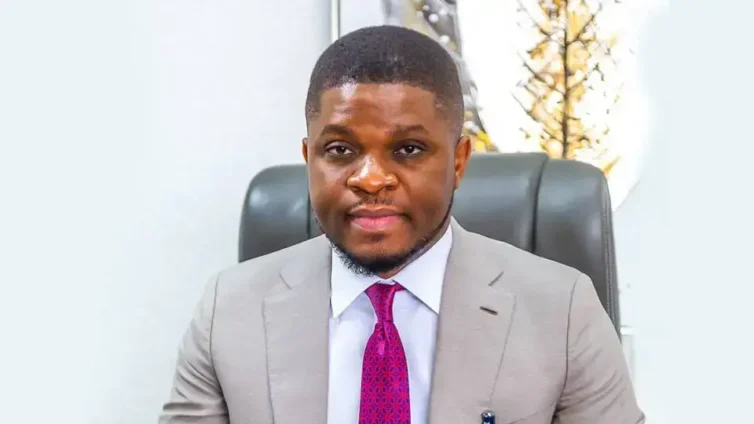
Sammy Gyamfi, the Chief Executive Officer of the Ghana Gold Board (GoldBod), has underscored a critical paradigm shift for Africa's economic trajectory, presenting GoldBod as a powerful illustration of how deliberate state-led reforms and strategic planning can maximize the value of natural resources. Speaking at multiple sessions of the EMY Africa – Africa Rising Symposium in London on Thursday, July 30, Mr. Gyamfi articulated Ghana's resolute commitment to ensuring its mineral wealth directly fuels economic transformation, industrialization, and job creation, challenging the long-standing paradox of Africa exporting raw minerals while importing finished products, thereby surrendering significant value to foreign economies.
Mr. Gyamfi positioned GoldBod as Ghana's strategic answer to this age-old problem, highlighting it as a success story demonstrating the transformative potential when the state transitions from a mere regulator to a strategic architect of national value. The institution is meticulously building a transparent, well-organized, and value-focused gold ecosystem. This framework supports responsible trading, enhances accountability, promotes value addition, and elevates gold from a simple commodity to a fundamental platform for national economic stability, industrialization, and job creation. Since its inception, GoldBod has achieved significant milestones, including effectively tackling gold smuggling, formalizing the gold supply chain, strengthening foreign exchange generation, and creating robust opportunities for investment in gold production and responsible sourcing within Ghana. Furthermore, Mr. Gyamfi announced the impending launch of gold-backed tokenized investment assets, designed to broaden African participation in the ownership of the continent's mineral wealth.
Beyond resource management, Mr. Gyamfi passionately appealed to the global African diaspora, urging a profound evolution in their engagement with the continent. While acknowledging the invaluable role of remittances in supporting families, he stressed that Africa has reached a point where sustained economic transformation demands strategic investments rather than just financial lifelines. He called upon the diaspora to become "strategic co-architects of Africa’s transformation" by directing capital into critical sectors such as manufacturing, commercial farming, agribusiness, logistics, information technology, green energy, education, healthcare, and infrastructure. Mr. Gyamfi emphasized that investment extends beyond mere money; skills, reputation, networks, governance experience, and exposure to efficient systems all constitute vital capital that the diaspora can contribute. He urged them to "send systems home," "build enterprises," and actively "redesign where we are going," fostering lasting institutions and businesses across the continent.
The core of Mr. Gyamfi's message revolved around the imperative of African ownership and control over its burgeoning economic importance. He challenged Africans to redefine the continent's development model, asserting that Africa's rise should not be measured solely by population or natural resources, but by who ultimately controls and benefits from its growth. He stressed that Africa must transition from being a supplier of raw materials and cheap labor to a center of innovation, industrialization, and ownership, where its resources create African industries, jobs, wealth, reserves, and dignity, rather than enriching foreign balance sheets while African youth remain unemployed.
To facilitate this transformation, Mr. Gyamfi underscored the critical role of African governments. He called for the creation of a conducive investment environment characterized by stable policies, transparent institutions, and unwavering respect for contracts. These elements, he argued, are indispensable for attracting both domestic and diaspora capital, ensuring mutually beneficial partnerships. He commended President John Dramani Mahama for pursuing policies aimed at strengthening African ownership of strategic sectors and resetting Ghana's economy, specifically through initiatives like GoldBod which focuses on formalizing trade, improving traceability, combating smuggling, and mobilizing foreign exchange for the Bank of Ghana.
Concluding his powerful addresses, Mr. Gyamfi reiterated that Africa's rise is inevitable, but its future must be shaped on terms defined by Africans themselves. He called for collective action—between the continent and its diaspora, youth and elders, public and private sectors, capital and conscience—to build a future where Africa's transformation is owned by Africans, moving beyond mere sentiment and rhetoric to establish enduring structures that govern, scale up, and deliver genuine prosperity.