African Countries That Changed Their Official Language After Independence
After independence, some African governments changed which languages could speak for the state. These are eight countries where those choices took different turns.
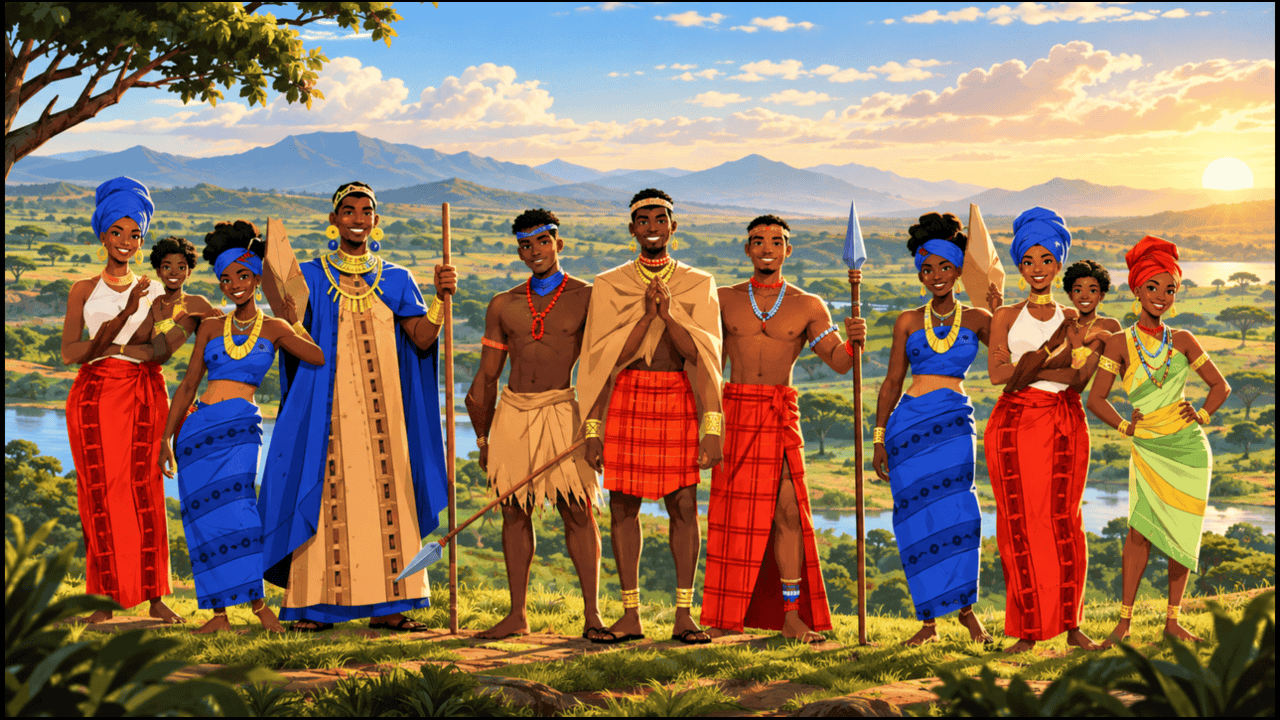
A new flag does not automatically change the language used inside a government office.
Across Africa, independence left English, French and Portuguese in schools, courts, ministries and official records. Those languages had become part of how the colonial state worked.
After independence, governments began deciding how much of that arrangement would stay and where African languages would take a larger role.
Some changes came through education policy, while some others came through constitutions or changes in government practice. In the Sahel, the issue has recently become tied to a wider break with France.
Tanzania and Somalia
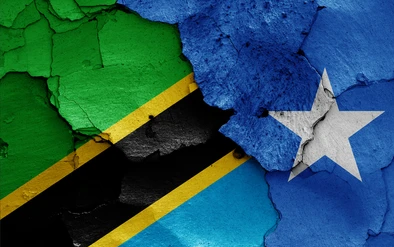
When Tanganyika became independent in 1961, English was still used in administration and education. Kiswahili was already widely spoken, and Julius Nyerere's government promoted it as a common national language.
By 1967, Kiswahili had become the sole language of instruction in primary education, while English continued in secondary and higher education. Kiswahili also became central to government and public communication.
Somali presented a different problem. It was widely spoken, but Somalia had no standard writing system adopted by the state.
In 1972,the government adopted a Latin-based script for Somali and made Somali the official language. A nationwide literacy campaign followed, bringing the language further into administration and education.
Rwanda, Algeria and Zimbabwe
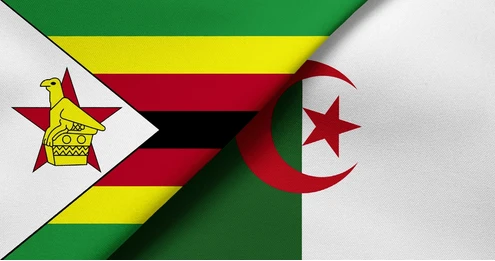
Rwanda made its most consequential shift in education. In 2008,the government moved the medium of instruction from French to English. The change came as Rwanda was strengthening its links with English-speaking East Africa; it joined the East African Community in 2007 and the Commonwealth in 2009.
Kinyarwanda remains the national language. English, French and Kiswahili are also official languages today.
Algeria's changes began soon after independence from France in 1962. The government pursuedArabisation, expanding Arabic in education and administration. French continued to be used widely, particularly in higher education and professional life.
Tamazight gained national status in 2002 and official status in 2016. English has since gained more space in education.
Zimbabwe changed the constitutional position of its languages. Its2013 Constitution recognised 16 languages and required the state to promote and advance their use. The list includes English, Shona, Ndebele, Kalanga, Tonga, Venda, Xhosa and Zimbabwean Sign Language.
Mali, Burkina Faso and Niger
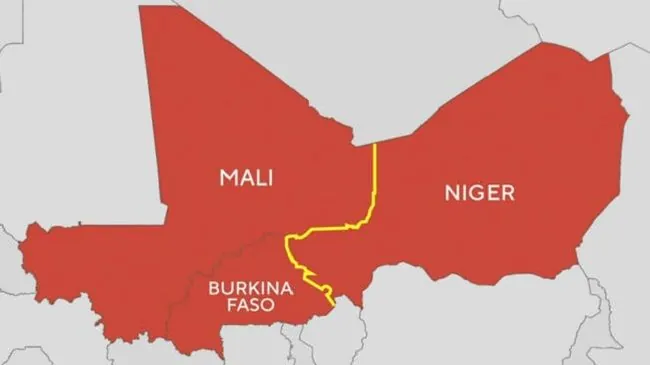
The recent changes in Mali, Burkina Faso and Niger belong to a different period of this history.
All three countries are under military-led governments that have pulled away from France and from some of the political and military arrangements that had tied them to their former colonial power. French troops have left all three countries, while the governments have also moved toward new regional and external partnerships.
Language has moved with that shift.

Mali's2023 Constitution made the country's national languages official and designated French as a working language.
Burkina Fasoadopted a constitutional revision on December 30, 2023. Its revised language provision gives official status to national languages and makes French and English working languages.
Then Niger’sCharter of the Refoundation, adopted on March 26, 2025, made Hausa the national language and designated French and English as working languages.

The changes do not mean French has stopped being spoken across the three countries. They change its formal place in the state at a time when the governments themselves are redefining their relationships with France.
That makes the Sahel cases different from the earlier examples in this list.
Tanzania's language policy was tied closely to national integration and education. Somalia's was connected to literacy and the creation of a standard written form. Rwanda's shift followed a change in regional orientation. In Mali, Burkina Faso and Niger, language has become part of a much wider political realignment.