Africa's Dark Files: Murder, Mistake or Something Else? The Oscar Pistorius Case
Oscar Pistorius case explained: how Reeva Steenkamp was shot in 2013, the forensic evidence, courtroom testimony, verdict changes, and the controversy that followed one of South Africa’s most high-profile murder trials.
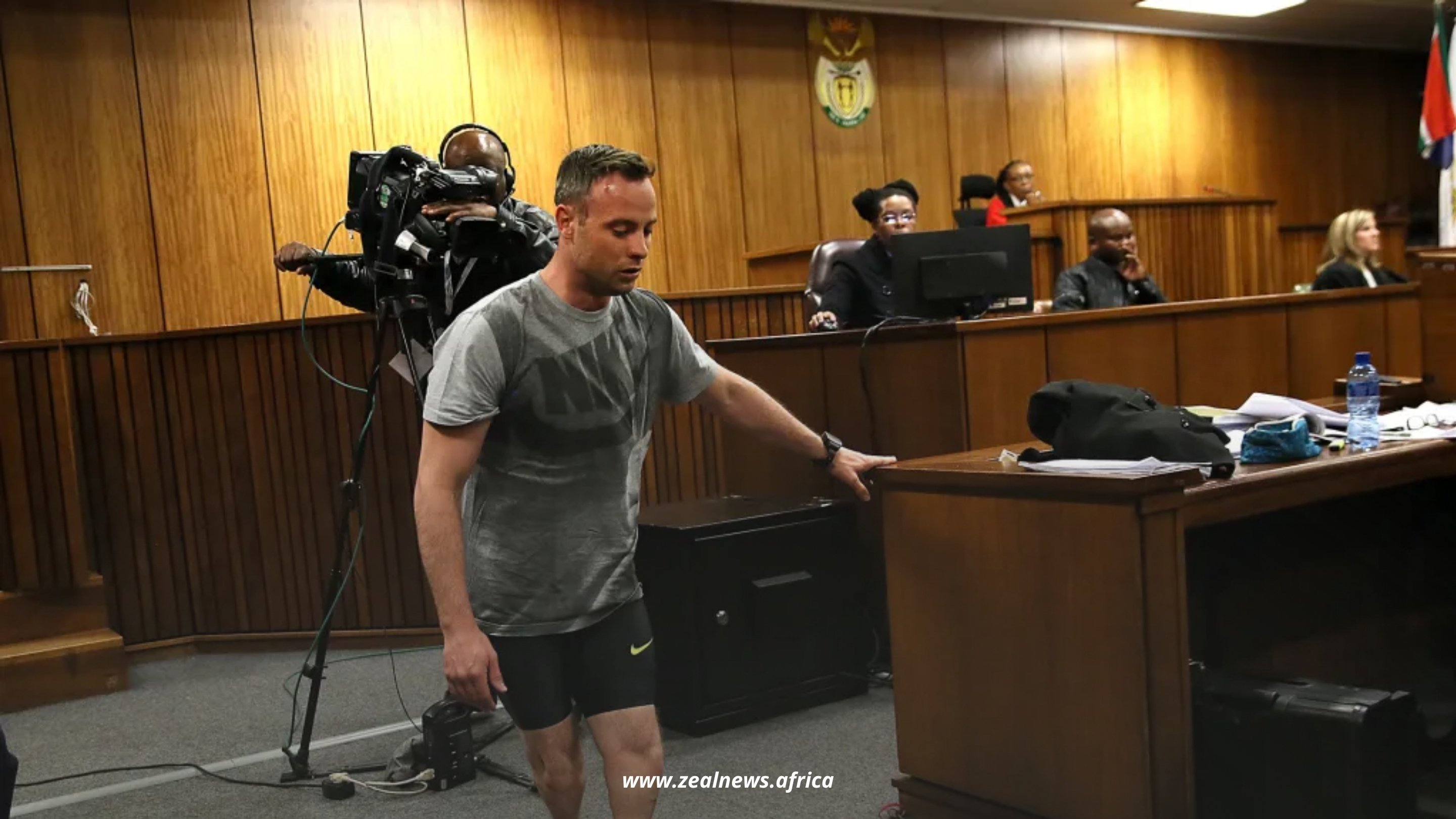
He was supposed to be untouchable in the way that certain men, certain heroes, seem to exist above scrutiny.
Oscar Pistorius had run on carbon-fibre blades into the 400-metre semi-finals at the 2012 London Olympics, becomingthe first double amputee in history to compete at the Games. He won two gold medals at the Paralympics.
South Africa had made him its emblem of triumph over limitation. And then, at approximately 3 a.m. on Valentine's Day 2013, four shots went through a locked bathroom door in his Pretoria home and nothing was ever the same again.

The Night That Rewrote Everything
In the early morning of Thursday, 14 February 2013, Reeva Steenkamp, a 29-year-old model and law graduate, Pistorius's girlfriend of three months, was shot and killed at his home.
Pistorius claimed he heard a noise in the bathroom. Believing an intruder had broken in through the window, he grabbed his 9mm pistol from under the bed, crept to the bathroom on his stumps without his prosthetics and fired four times through the closed toilet cubicle door.
He said he woke in the early hours, brought in fans from the balcony, and then heard a noise from the bathroom. When he returned to the bedroom and found Steenkamp was not there, he realized she could have been in the toilet and rushed back.
He claimed he screamed for help, retrieved his prosthetic legs and bashed in the toilet door with a cricket bat. Behind it was Reeva Steenkamp, slumped on the floor.
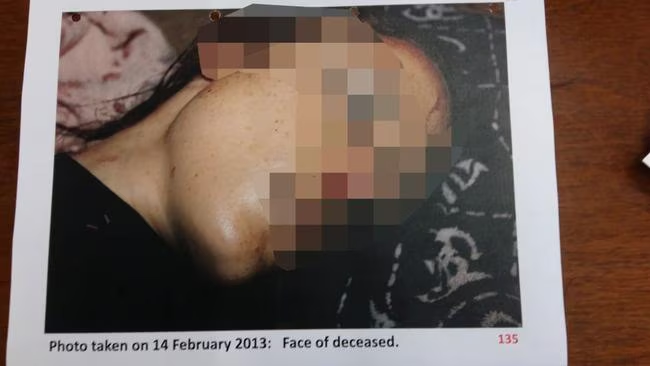
The prosecution's version contrasted sharply. It was said the couple had been arguing, Steenkamp had locked herself in the bathroom to escape, and Pistorius had fired with full knowledge of who was behind that door.
The Evidence That Would Define the Trial
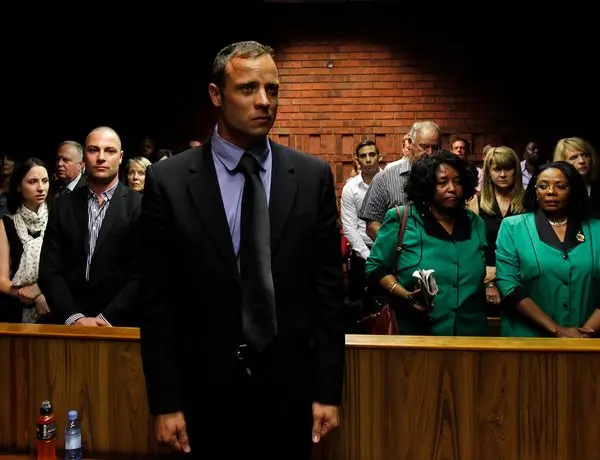
The trial, which opened on 3 March 2014 in the Gauteng Division of the High Court of South Africa in Pretoria before Judge Thokozile Masipa, was broadcast live on television and became one of the most forensically documented criminal proceedings on the continent.
Michell Burger, the first witness the prosecution called, who lives about 196 yards from Pistorius's house, testified to hearing screams from a woman before she heard four gunshots.
She testified that she heard a man and a woman shouting, then four gunshots and that the woman's screams continued during the gunshots and quickly faded after the final one. This was devastating to Pistorius's claim that he had no idea Steenkamp was in the bathroom.
The defense countered that Burger had been asleep and was actually hearing Pistorius himself, a man who could scream at a high pitch.Three neighbors in total testified to hearing a woman scream before and during the gunshots.
Legal experts described this as a "golden thread" of evidence. The accounts of neighbors was also backed up by pathologist, Gert Saayman and police ballistics investigator, Captain Christiaan Mangena.
On the ballistics, lasers were used to track the trajectory of the bullets. Captain Mangena told the court that the first shot hit Steenkamp in the hip.

Ballistics experts testified that while being shot, Steenkamp fell onto a magazine rack near the toilet while putting her arms up in a defensive pose.
The grouping and trajectory of all four shots, prosecutors argued, indicated someone firing with deliberate intent at a human target and not a panicked, random fusillade into darkness.
Prosecutors argued that the amount, trajectory, and grouping of the shots fired through the locked door could only indicate a direct intention to kill.
The Text Messages That Haunted the Courtroom
Among the most damning evidence were the private communications extracted from the couple's phones. Some 1,709 texts and WhatsApp messages were retrieved from the phones of Pistorius and Steenkamp, and a forensic analyst from South Africa's Directorate of Priority Crime accessed previously deleted files from an iPad, a MacBook, two iPhones and two BlackBerries.
What those messages revealed was a relationship under strain. In one message, Steenkamp told Pistorius: "I'm scared of you sometimes and how you snap at me and how you will act towards me." In another, sent after a sports awards event on 7 February 2013, just one week before her death, Steenkamp wrote: "I can't be attacked by outsiders for dating you AND be attacked by you, the one person I deserve protection from."

Prosecutor Gerrie Nel also pointed to blood spatter evidence, arguing that a pattern of blood drops on a duvet and on nearby carpet showed the duvet was on the floor before police arrived. This suggested the couple had been arguing, and that Steenkamp may have been in the process of trying to leave.

A Verdict, an Outrage and a Reckoning
Judge Masipa initially convicted Pistorius of culpable homicidein September 2014, finding insufficient evidence of premeditated murder. The public reaction was furious; the idea that Pistorius could serve just 10 months in prison for killing a woman sparked national outrage.
The state appealed. In December 2015, the Supreme Court of Appeal overturned the ruling and found him guilty of murder under the doctrine of dolus eventualis, meaning he foresaw that death was a possible consequence of his actions and proceeded regardless.
He was initially sentenced to six years. Then in November 2017, the Supreme Court of Appeal more than doubled his sentence to 13 years and five months, describing the earlier term as "shockingly lenient."
The Supreme Court also found that Pistorius "displays a lack of remorse, and does not appreciate the gravity of his actions.”
He was released on parole on January 5, 2024, having served nearly nine years of his sentence. He will remain under supervision until December 2029.
His parole conditions, confirmed by the Steenkamp family's legal representatives, included mandatory continued therapy on anger management and attendance at gender-based violence sessions.
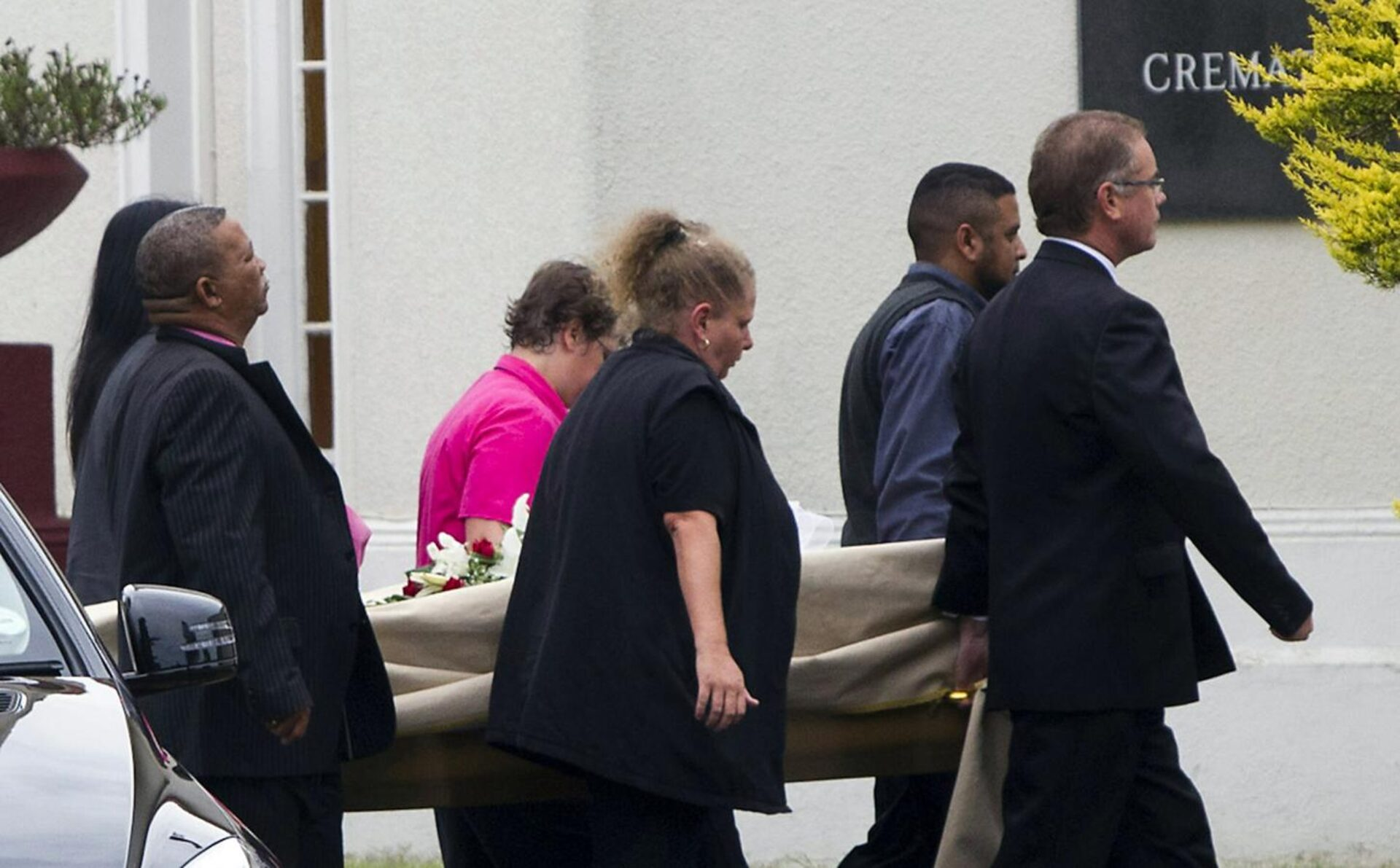
Reeva's mother, June Steenkamp, said: "There can never be justice if your loved one is never coming back, and no amount of time served will bring Reeva back."
What the Case Left Behind
The Oscar Pistorius trial exposed the ways in which celebrity status shields the powerful from scrutiny, the inadequacy of sentencing frameworks around gender-based violence, and the long, uneven road between conviction and consequence.
It forced the nation to confront the glamorization of male athletes, the rampant violence against women and a justice system often out of sync with public conscience.
The record is extensive, public and permanent. The question of what Oscar Pistorius truly knew when he pulled that trigger remains the one thing no court document can fully answer.