9/11's Enduring Scars: Long Island Confronts Lingering Illnesses and Community Healing
Twenty-five years after 9/11, Long Island's Muslim community reflects on overcoming initial prejudice and achieving significant integration, despite ongoing challenges. Simultaneously, the profound health crisis for first responders and survivors continues, with an increasing number suffering from 9/11-related illnesses, particularly cancers, underscoring the attack's enduring impact on lives.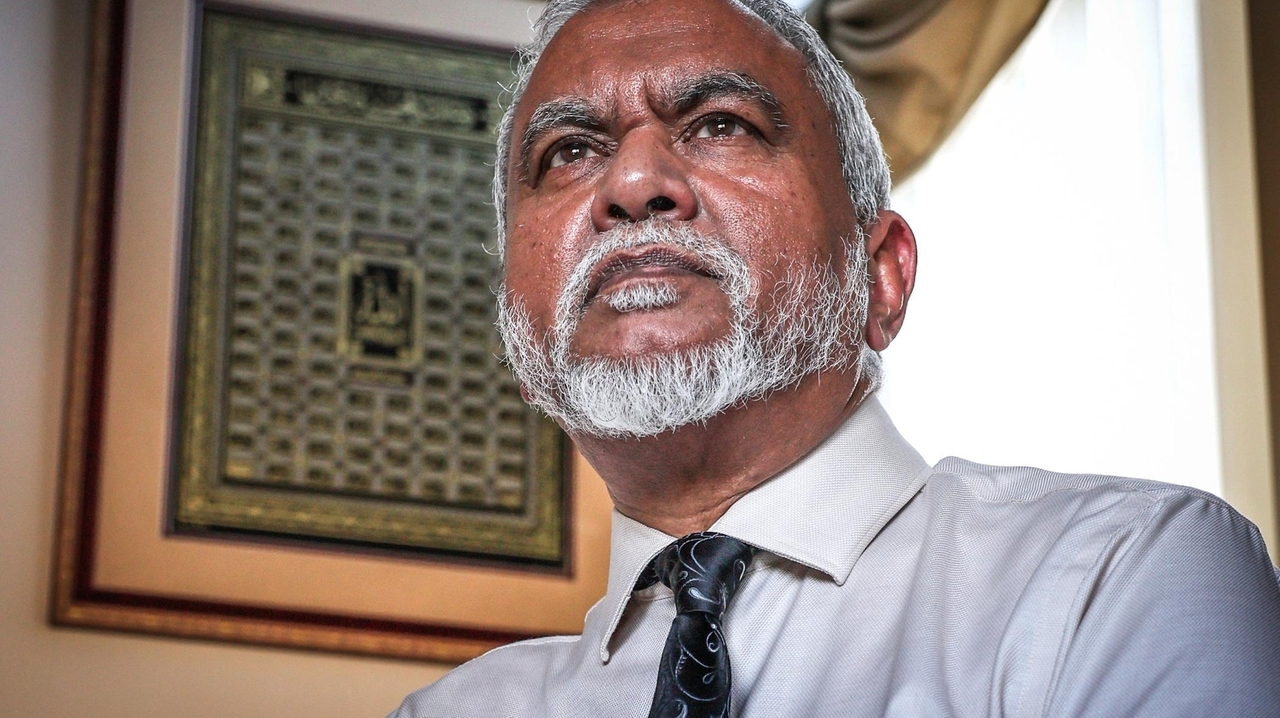
The aftermath of the September 11, 2001, terrorist attacks profoundly affected various communities and individuals, with impacts continuing to be felt decades later. For the approximately 100,000 Muslims residing on Long Island, 9/11 created an unwelcome spotlight, leading to widespread fear, anxiety, and discrimination. Many U.S. citizens who were fully integrated into American life suddenly found themselves viewed with suspicion, facing threats of violence and ostracization from neighbors and strangers alike. The FBI reported a dramatic surge in anti-Muslim crimes, jumping from 29 in 2000 to 499 in 2001, highlighting the immediate backlash experienced by the Muslim community.
Daisy Khan, a board member of the Interfaith Institute of Long Island, articulated the tragedy, stating, "Somehow the entire religion of Islam was connected with an act of terror, and that was very tragic for Muslims." She noted a deep "sense of fear and anxiety about their place in America and their sense of belonging." Local Muslim leaders like Nayyar Imam recounted personal experiences of discrimination, including a cousin's car window being smashed and FBI agents questioning him about an employee. Imam described the community's fear, with some individuals altering their appearance or names, and women ceasing to wear hijabs, to avoid being targets. He even recalled a motorist yelling racist remarks at him and his family in Manhattan.
The stories of Long Island Muslims reveal the long-lasting trauma. Sarwat Paracha tearfully spoke of her cousin, Uzair Paracha, who was imprisoned for 17 years on terrorism charges that were ultimately dropped, an ordeal that "destroyed" her family. Despite the conviction being overturned in 2018 due to new evidence and prosecutors dropping the case in 2020, the experience left indelible scars. Similarly, Mohammad Rashid, a Pakistani immigrant and successful pharmaceutical professional, experienced racist threats from a neighbor and his children were called "terrorists" at school. He recounted being routinely pulled aside for extra inspections at airports, feeling like a "second-class citizen." These experiences underscore the burden of being unfairly blamed for acts they condemned, which contradicted Islamic teachings against killing.
Despite these challenges, many Muslims on Long Island report substantial progress towards healing and integration over the past 25 years. Nayyar Imam, for instance, became the first Muslim chaplain to the Suffolk County Police Department, a significant step forward. While still facing hurdles, such as protests against new mosques and a Muslim boarding school, and recent anti-Muslim graffiti incidents, Imam noted that discrimination is "much less" today. Mohammad Rashid, now president-elect of the Islamic Center of Long Island, engages in interfaith work and feels generally supported by his neighbors and co-workers, no longer experiencing airport detentions. Daisy Khan observed that "the Muslim American story is not a failed integration," pointing to Muslims running for office and acting as agents of change. Sarwat Paracha, despite past fears, feels "very safe" in her neighborhood today, though she remains cautious in certain areas.
Concurrently, the legacy of 9/11 continues to manifest in a different, equally tragic way: the ongoing health crisis among first responders and survivors. Nearly 25 years later, the number of individuals suffering from 9/11-related illnesses surpasses 97,000, including almost 12,000 FDNY members. These diseases encompass acute respiratory issues, digestive illnesses, cognitive and mental health needs, and a vast array of cancers, which have become a dominant concern. The federal World Trade Center Health Program has certified 57,044 cancer cases connected to the attacks, with 10,393 new cancer cases certified in the 12 months ending in June, outpacing other diseases.
On Long Island, 25,588 residents are enrolled in the World Trade Center Health Program, with 10,150 living with 9/11-related cancers. Programs at Stony Brook and Northwell Health report thousands of patients with cancers, many having multiple diagnoses. Dr. Jacqueline Moline, director of Northwell’s program, emphasized, "We have to make sure people understand it’s not just a 2001 issue. We really need to keep following and treating these folks for decades to come." These programs face critical needs for permanent funding, adequate staffing, and the flexibility to adapt to evolving medical developments, including widening screening parameters and covering new conditions. It is also crucial for those who lived, worked, or studied near Ground Zero, especially those who were children or teens at the time, to enroll in the World Trade Center Health Program to ensure they receive necessary care.
The FDNY recently honored 36 additional members, including 14 with ties to Long Island, whose names were added to a memorial dedicated to firefighters and EMS personnel dying from 9/11-related illnesses. This brings the total inscribed names on the Brooklyn memorial to 438, surpassing the 343 members who died on September 11, 2001. FDNY Commissioner Lillian Bonsignore reiterated that "the legacy of Sept. 11 doesn’t end on a single day," highlighting that the tragedy continues as members succumb to the toxic environment they bravely entered. New York Mayor Zohran Mamdani, a Muslim himself, spoke at the ceremony, affirming the city's commitment to honor the fallen and strive to be worthy of their memories. The ongoing suffering of first responders and the persistent challenges faced by Muslim communities underscore that 9/11 is not a closed chapter but an enduring historical event with continuing human costs.