8 Things Intermittent Fasting Does to Your Body and Brain
Intermittent fasting isn’t just about skipping meals, it’s a full metabolic reset. From fat-burning to brain function, here’s what really happens inside your body when you stop eating, and why it’s not for everyone.
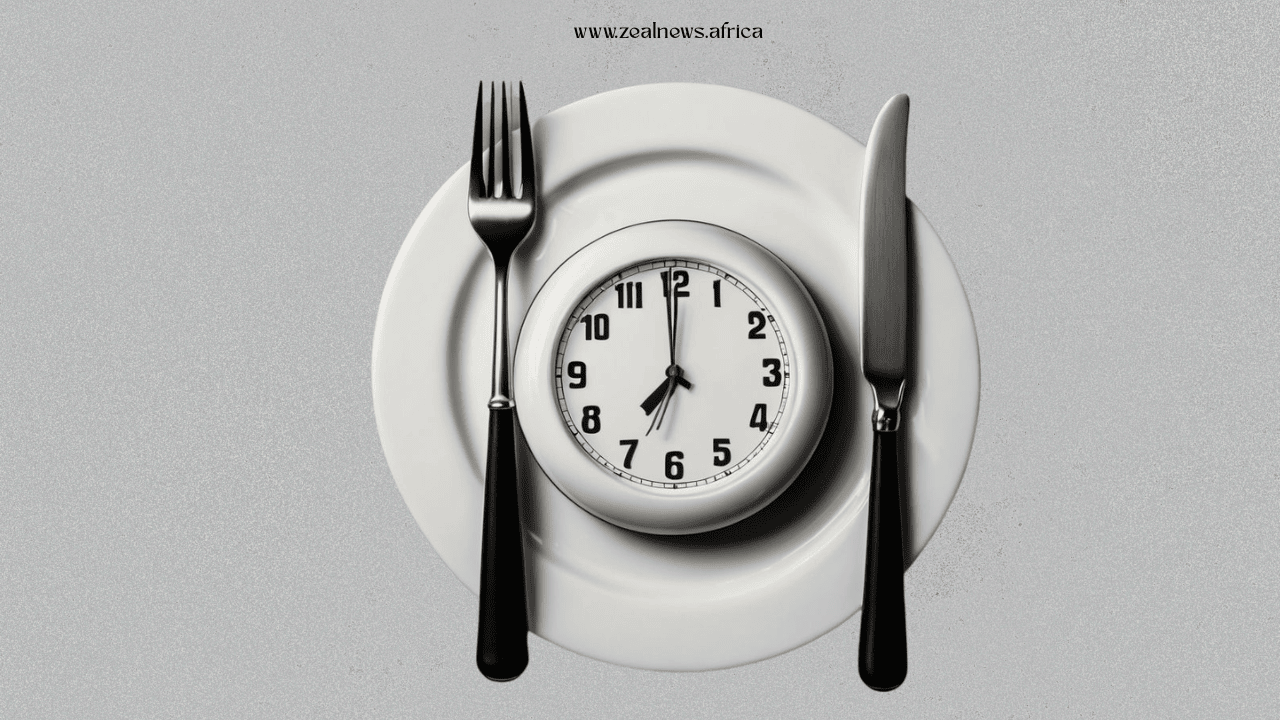
Intermittent fasting is often treated like a quick weight-loss hack. Skip a meal, drink water, wait it out.
But that’s not what’s really happening.
When you fast, your body doesn’t just sit there waiting for food. It changes how it works. Your energy system shifts. Your hormones adjust. Your brain starts running differently.
The effects go far beyond the number on the scale. Here are 8 things it does to your body:
1. It switches your body into fat-burning mode
When you eat regularly, your body uses sugar (glucose) for energy. Any extra gets stored as fat.
When you stop eating for several hours, your body runs low on stored sugar. It then turns to fat for fuel. This process is called ketosis.
Instead of constantly storing energy, your body starts using what it already has.
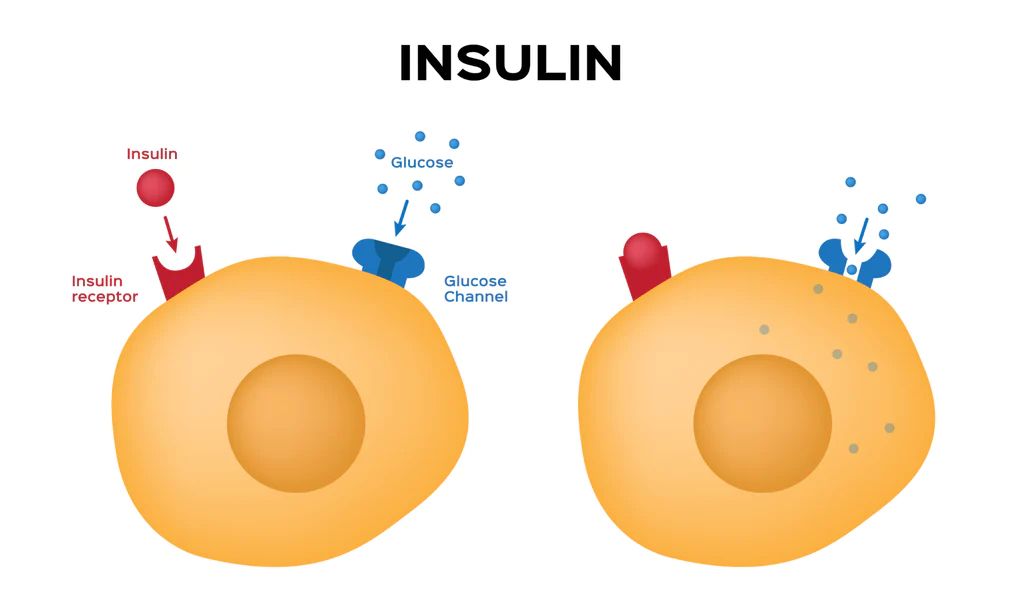
2. It lowers your insulin levels
Every time you eat, your body releases insulin to manage your blood sugar.
If you eat all the time, insulin stays high. That makes it harder for your body to burn fat.
Fasting gives your body a break. Insulin levels drop, and your body can access stored fat more easily.
3. It can improve focus and mental clarity
A lot of people notice this one quickly.
When your body starts using fat for fuel, it produces ketones. These are a clean energy source for your brain.
Fasting also increases certain brain chemicals that help with alertness. That’s why some people feel more focused and sharp, not tired.
4. It triggers cellular repair (your body cleans itself)
Your body has a built-in system for cleaning out damaged cells. It’s called autophagy.
This process becomes more active when you’re not eating.
Think of it as your body doing maintenance work, removing broken parts so cells can function better.
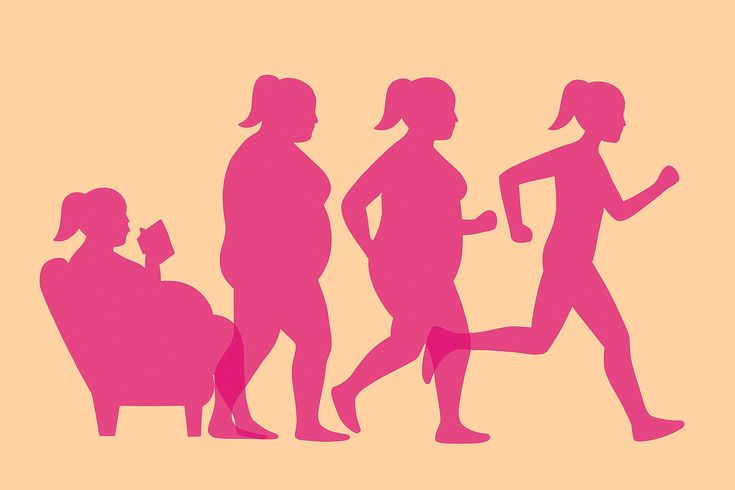
5. It may help with weight loss
This is the most obvious benefit, but it’s not just about eating less.

Fasting helps because:
You eat within a shorter time window
Your body burns more fat
Insulin levels are lower
Together, these changes make it easier to lose fat, not just weight.
6. It can reduce inflammation
Chronic inflammation is linked to many health problems, from fatigue to serious diseases.
Fasting has been shown to reduce markers of inflammation in the body.
This means your body may function more smoothly and recover better over time.
7. It affects your hunger hormones
At first, fasting feels hard because you’re used to eating at certain times.
But your hunger hormone (ghrelin) follows a pattern. It rises at your usual meal times, then drops if you don’t eat.
After a few days, your body adjusts. Many people find they feel less hungry overall, not more.
8. It may support brain health long-term
Fasting increases a protein called BDNF. This supports brain cell growth and helps protect your brain.
Over time, this may lower the risk of memory problems and brain-related diseases.
It’s not a magic solution, but it does support long-term brain function.
Who Should Be Careful or Avoid It
Intermittent fasting is not safe or suitable for everyone. People who are pregnant or breastfeeding, those with a history of eating disorders, individuals with diabetes (especially if on medication), and people who are underweight should avoid it or only try it under medical supervision.
It can also be risky for those with high stress levels or hormonal imbalances, as fasting can increase cortisol and disrupt normal body functions. Teenagers and people still growing should not restrict food for long periods.
The point is simple: just because intermittent fasting works for some people does not mean it is right for you. Your body is not a trend.