5 Times African Women Changed the Law by Refusing to Stay Silent
African women have marched, petitioned and challenged governments to change laws that shaped their lives. These five moments show what happened when women refused to stay silent.
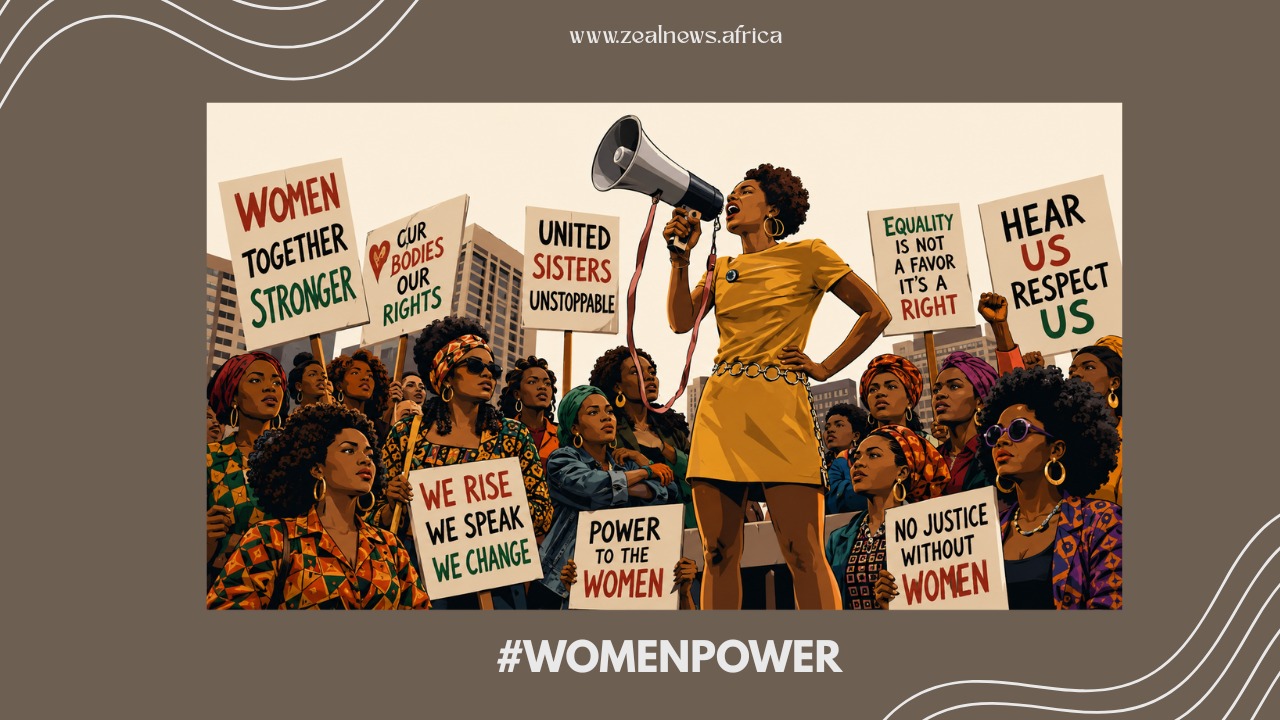
Some laws exist in certain parts of Africa because women refused to accept the law as something written by other people for their lives.
They marched, wrote petitions, and even lobbied politicians. They sat in constitutional conferences and demanded to be heard. Some were arrested, threatened, and some spent years fighting for changes they would never personally benefit from.
These are five moments when African women helped turn their voices into legal change.
1. Lilian Ngoyi, Rahima Moosa, Helen Joseph and Sophia Williams-De Bruyn
On August 9, 1956, about20,000 women marched to South Africa’s Union Buildings in Pretoriato protest apartheid pass laws that were being extended to Black women.
At the front were four women: Lilian Ngoyi, Rahima Moosa, Helen Joseph and Sophia Williams-De Bruyn. They represented different racial and political backgrounds, but they were united around one demand: women should not be forced to carry passes that restricted their movement and made everyday life even more dangerous.
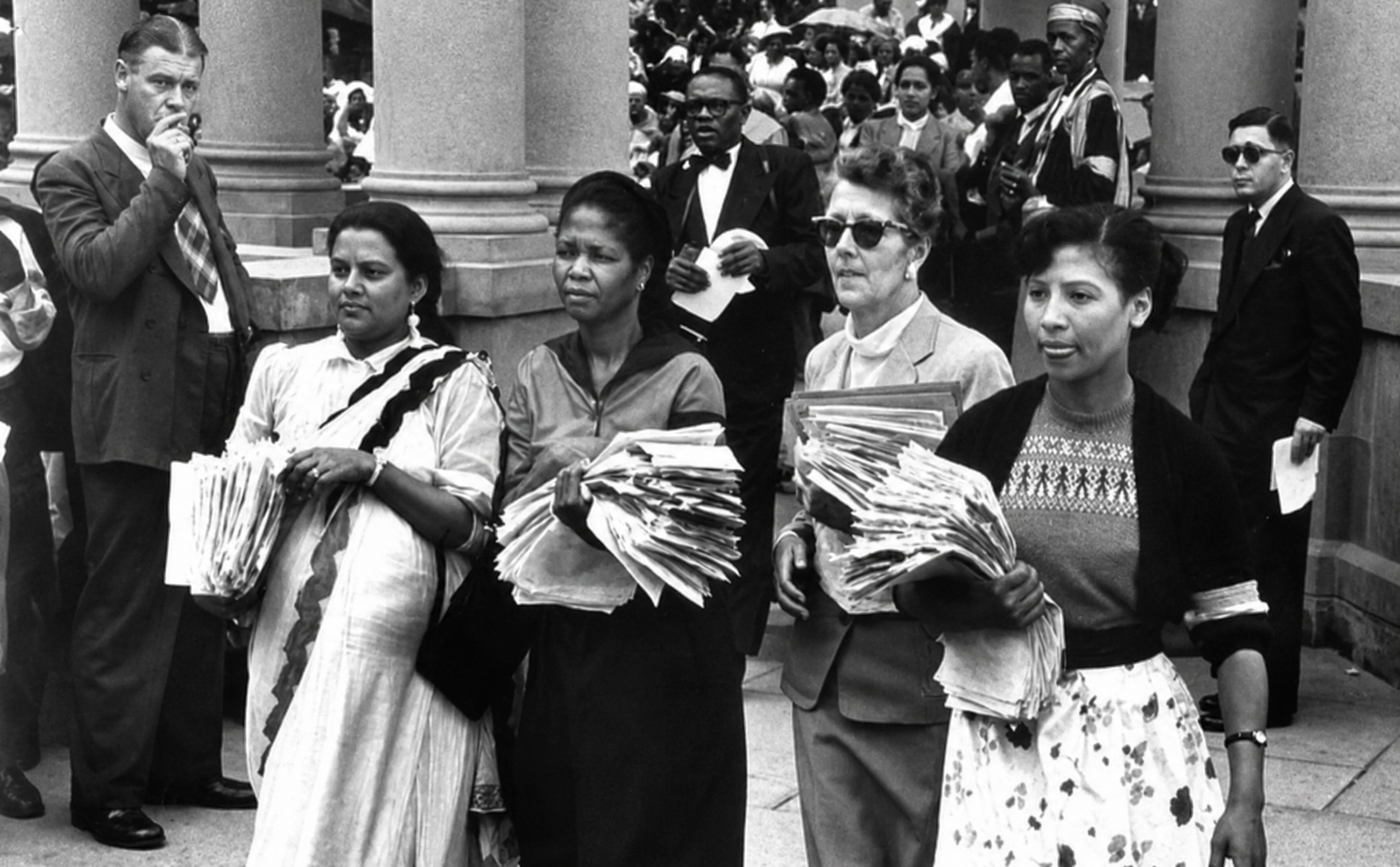
Lillian was already a major figure in the liberation movement.She became the first woman elected to the ANC’s national executive in 1956 and was president of the Federation of South African Women.
Helen, a white anti-apartheid activist, worked alongside Black and Indian women despite the racial divisions enforced by apartheid. Rahima was a trade unionist, while Sophia was only 18 when she helped lead the march.
The women arrived carrying thousands of petitions. Prime Minister J.G. Strijdom was not there to receive them, so they left the petitions with his secretary.
The government did not immediately abolish the pass laws. The victory was bigger and slower than a single piece of legislation. The march became one of the defining moments of South Africa’s anti-apartheid struggle and eventually gave August 9 its place as National Women’s Day.
The women had walked into the centre of government to make one thing clear: laws affecting women could not be written as though women did not exist.
2. Nouzha Skalli, Amina Lamrini and Morocco’s Feminist Movement: Rewriting the Family Code
For decades, Morocco’s family law gave men significant legal power within marriage and divorce. Women’s rights activists spent years challenging the system.
Among the women involved were Nouzha Skalli, Amina Lamrini and Rabéa Naciri, who were part of Morocco’s organised feminist movement and helped build institutions that campaigned for legal equality.
TheAssociation Démocratique des Femmes du Maroc, for example, was founded by women including Nouzha, Amina, and Rabea
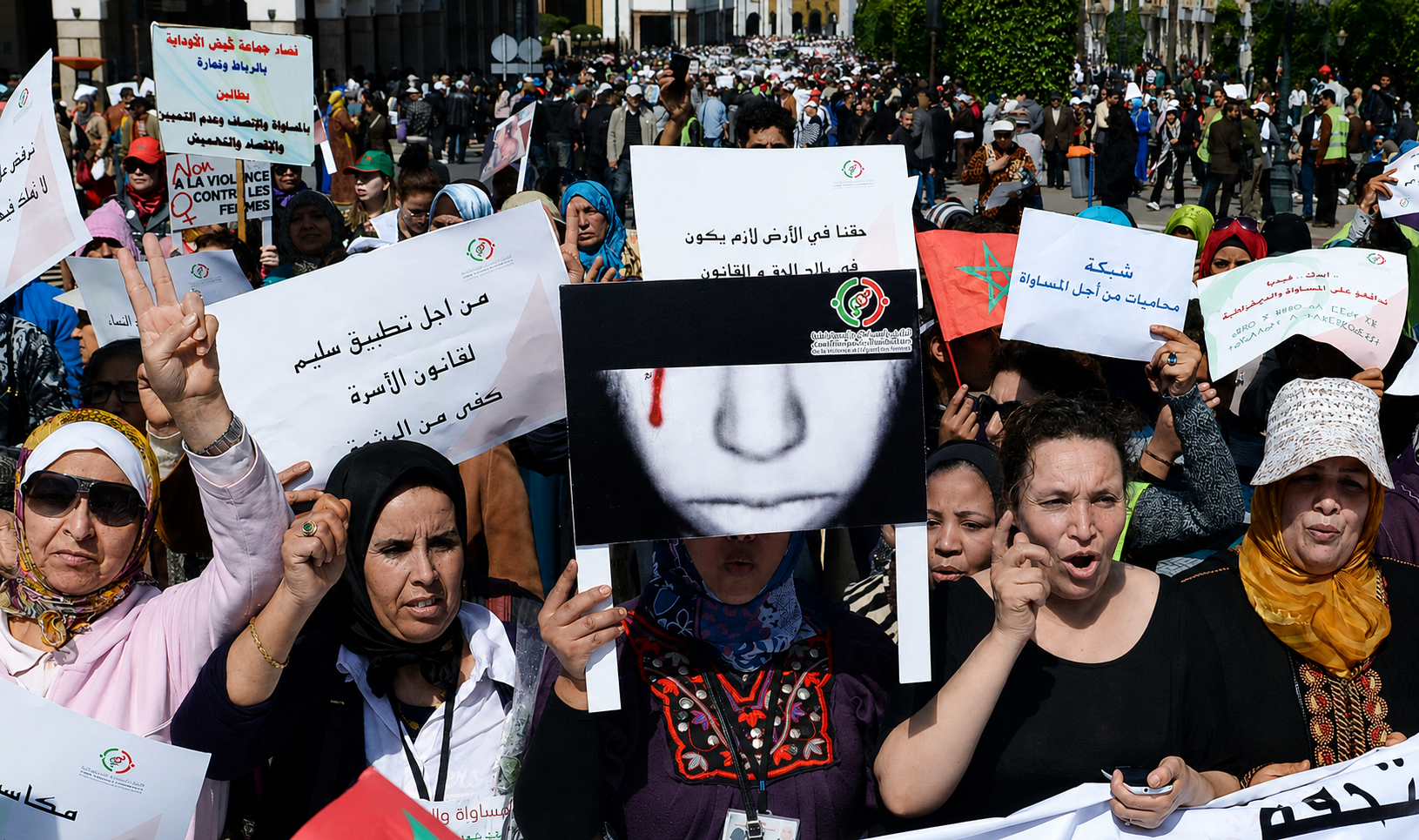
The campaign eventually contributed to one of Morocco’s most significant legal reforms.
History
Rewind the Stories that Made Africa, Africa
A Journey Through Time, Narrated with Insight.
In 2004, the country adopted a revised Moudawana, or Family Code.The reforms raised the minimum marriage age for women to 18, gave women greater rights in divorce, placed restrictions on polygamy and introduced changes intended to make marriage more equal.
It would be misleading to say these women simply walked into Parliament and changed the law. They did something harder. They spent years building a feminist movement strong enough that reform became a national political issue.
The Moudawana showed what happens when women stop treating discriminatory laws as untouchable traditions.
3. Nana Oye Lithur and Ghana’s Domestic Violence Campaign
In Ghana, changing the law on domestic violence took years of organising.
One of the women involved was Nana Oye Lithur, then a human rights lawyer and member of the Coalition on Domestic Violence.
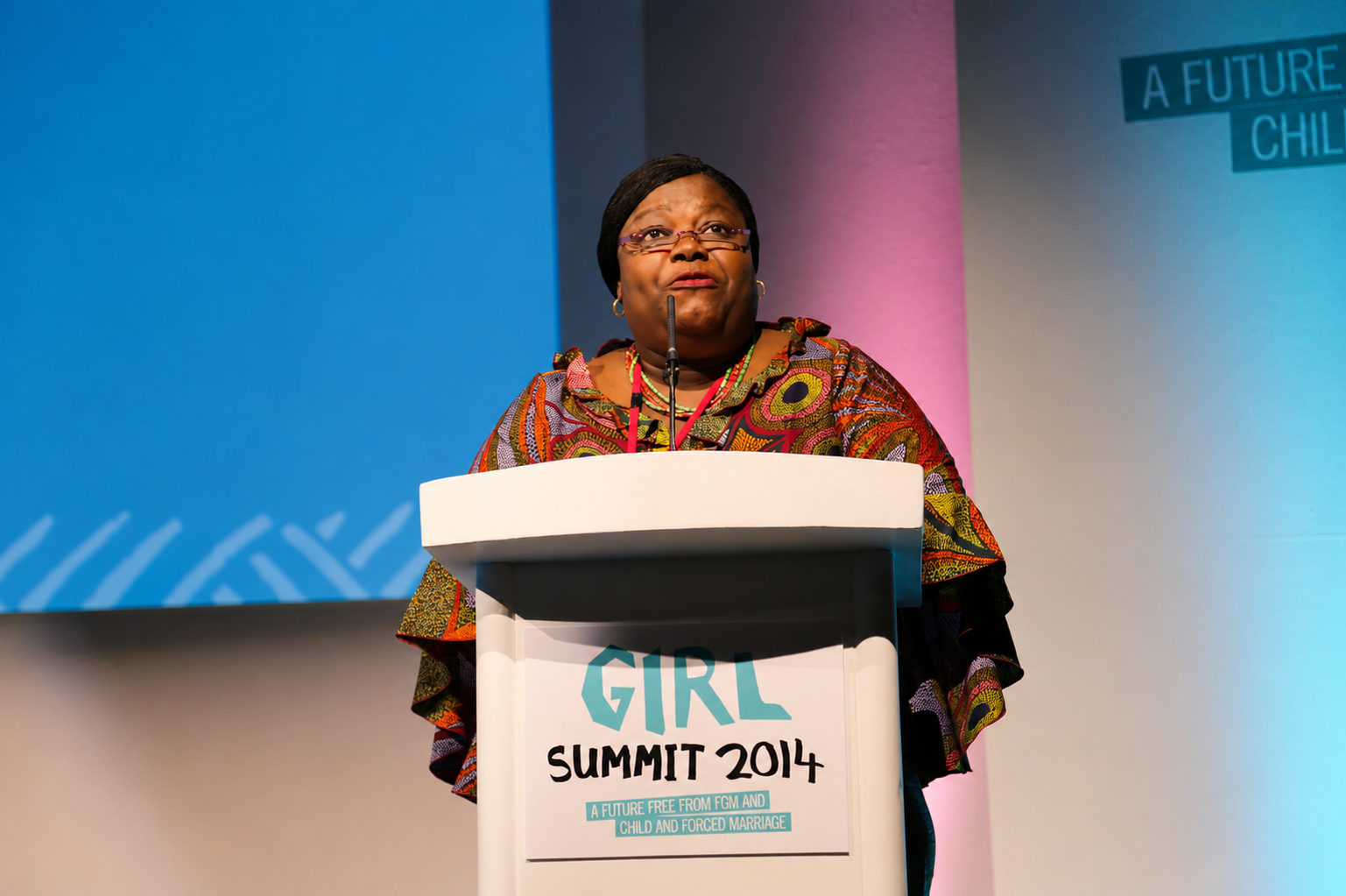

The coalition brought together activists and organisations pushing for legislation that would properly recognise and address domestic violence.
The campaign lasted roughly five years. Activists drafted, debated and lobbied for the bill, and even after Parliament passed it in February 2007, the coalition continued pressuring the government to complete the process.
Ghana eventually passed the Domestic Violence Act, 2007 (Act 732).
The significance was practical. Domestic violence was no longer something the legal system could conveniently treat as a private family matter.
The Act created a legal framework for dealing with physical, sexual, economic and psychological abuse and established protections for victims.
Nana later became Ghana’s Minister for Gender, Children and Social Protection, but her earlier work illustrates something important about legal reform: sometimes the woman you later see inside government spent years outside it demanding that government do its job.
4. Wanjiku Kabira and the Women Who Fought Their Way Into Kenya’s Constitution
When Kenya began rewriting its Constitution, women were not interested in simply being invited to the room for decoration.
Professor Wanjiku Kabira, a gender and development scholar, was among the women who documented and helped shape women’s participation in the constitutional review process.
Research on the process shows that women delegates organised themselves, met regularly, and worked to ensure that women’s concerns survived the constitutional negotiations. One of the results was the two-thirds gender principle.
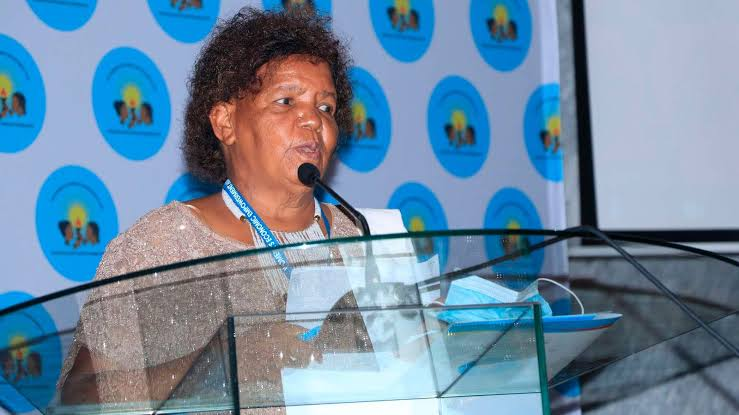
Kenya’s 2010 Constitution states that no more than two-thirds of members of elective or appointive bodies should be of the same gender. It also establishes the principle within the electoral system.
History
Rewind the Stories that Made Africa, Africa
A Journey Through Time, Narrated with Insight.
The rule has remained politically contested and has not been fully implemented in practice. That is part of the story too.
Changing the Constitution was one battle, but making politicians obey it has been another.
Still, the women who participated in that process changed what Kenya’s highest law said about women’s place in political life.
5. Joe Okei-Odumakin and the Women Who Pushed Nigeria Toward the VAPP Act
Nigeria’s Violence Against Persons (Prohibition) Act did not appear overnight in 2015.
Women’s rights advocates had spent years pushing for stronger legislation against violence, lobbying lawmakers and keeping the issue alive when Parliament had other priorities.
Among the prominent voices was Joe Okei-Odumakin, founder of Women Arise, who became one of the outspoken advocates for women’s rights and action against gender-based violence.
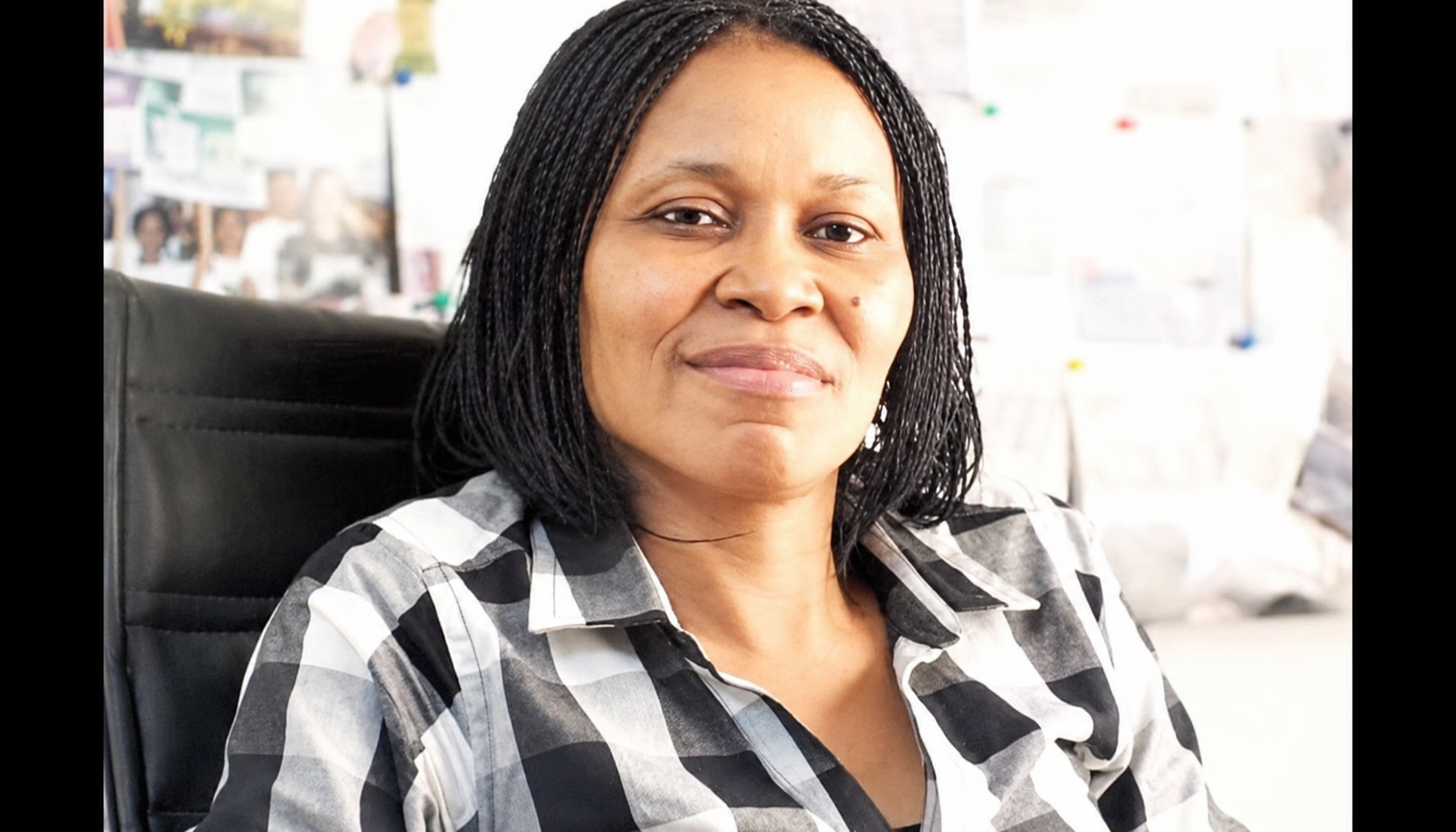
Other advocates and organisations, including the Legislative Advocacy Coalition on Violence Against Women, also played roles in keeping legislative reform on the agenda.
The VAPP Act was eventually signed into law in May 2015.
It provided legal protections against forms of violence including rape, domestic violence, stalking and harmful practices, while also recognising offences and protections that had previously been poorly addressed or absent from federal law.
The law itself was a major step. Its implementation has been another struggle, with states needing to domesticate the federal legislation before many of its protections can operate effectively at state level.
Conclusion
None of these women changed African law by giving one powerful speech and walking away.
They organised.
They petitioned. They negotiated. They built coalitions. They challenged politicians and institutions. Some spent years fighting for changes that were repeatedly delayed.
That is what makes their stories worth remembering.
History
Rewind the Stories that Made Africa, Africa
A Journey Through Time, Narrated with Insight.
Laws can look permanent when you read them in a book. They are not. Laws are written by people, defended by people and, sometimes, changed because enough people decide they have had enough.
And across Africa, women have repeatedly been those people.
Which African woman or women’s movement do you think deserves to be on this list?