How Nnamdi Azikiwe Fought for Public Libraries When Colonial Officials Doubted Nigerians Needed Them
In 1940, Nnamdi Azikiwe challenged colonial officials who doubted African interest in reading, amid debates over public library funding and access to books in Nigeria.
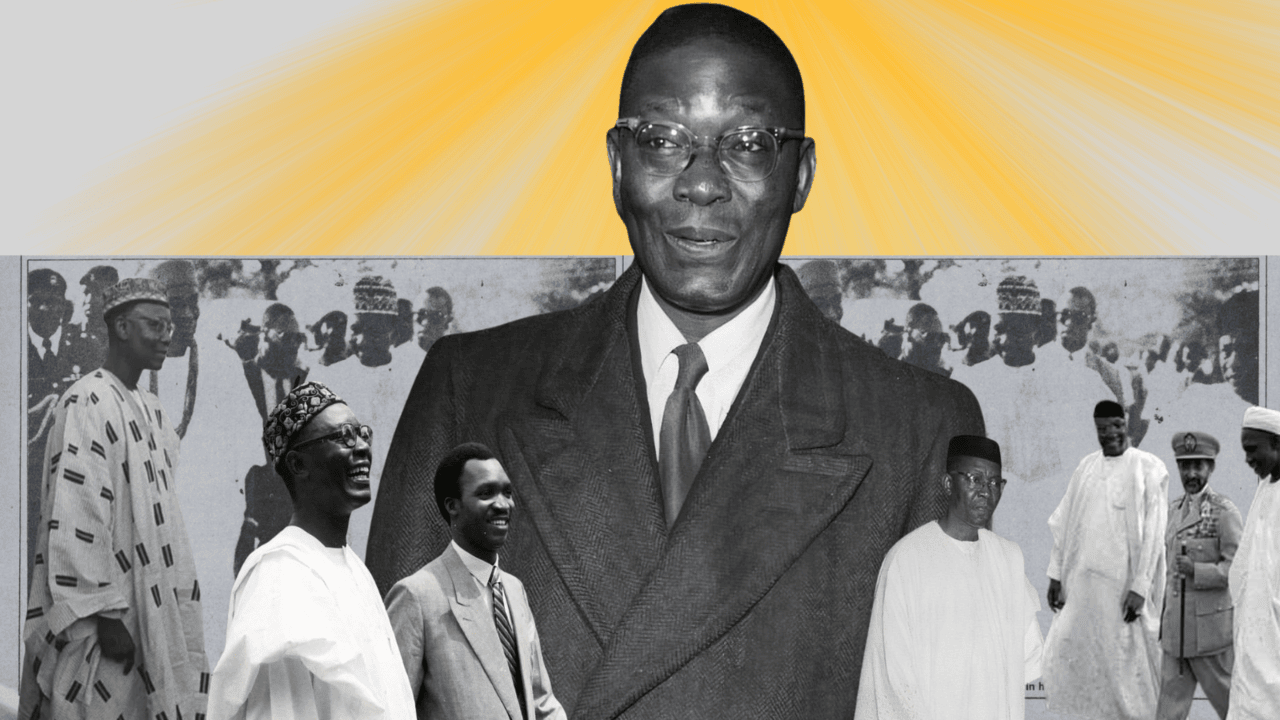
‘’African readers had little interest in books beyond those that could help them advance personally.’’
That was what Nigeria's colonial administration believed in 1940, when a disagreement over public library funding brought African reading habits into question. Nnamdi Azikiwe, editor of the West African Pilot, challenged that thinking.
The argument over what Nigerians should read
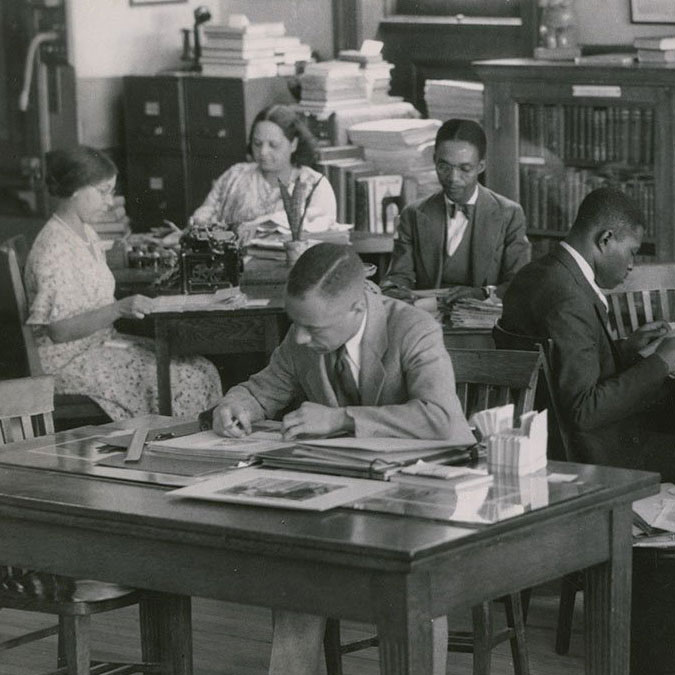
The dispute involved grants from the Carnegie Corporation, an American organisation that supported library development. In 1940, its grants included $27,323 for books for Lagos public libraries, $3,000 for books for schools and colleges, and $1,412 for regional libraries and reading rooms.
The colonial government was reluctant to spend substantial public funds on library services.
In a letter dated 8 November 1939, British Colonial Secretary Malcolm MacDonald had told Governor Sir Bernard Bourdillon that he supported efforts to promote reading, provided much of the funding came from outside government.
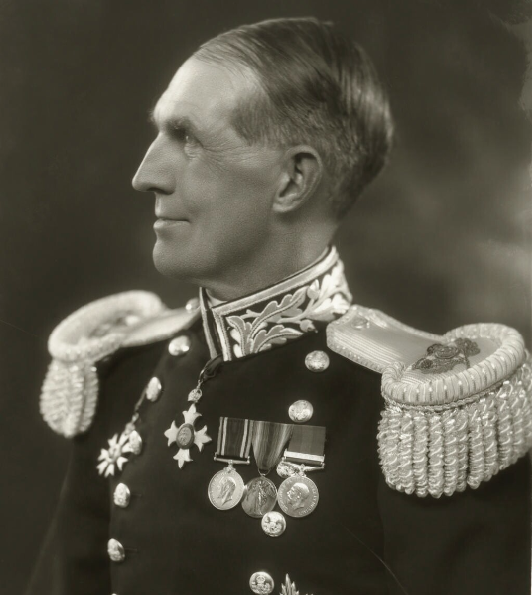
Governor Sir Bernard Bourdillon
Carnegie's grants could help libraries acquire books, but maintaining their services would still require money.
On 12 April 1940, Bourdillon wrote to the Colonial Secretary in London, questioning the practical value of the funding.
The administration believed African readers had limited interests and mainly wanted books that could help them advance personally.
Azikiwe challenged this position in the West African Pilot and he denounced the administration's view as irresponsible and racist. He questioned how officials could judge African reading interests when access to public library services was limited.
What the library figures reveal
A 1939 survey of library needs in British West Africa recorded 152 subscribers at the Lagos Library. Only seven were Africans, while 145 were Europeans, according toAguolu and Aguolu.
The Lagos Library charged membership fees, which meant people needed money to use it. Its social setting also favoured people who were educated and familiar with the British administrative and professional world.
History
Rewind the Stories that Made Africa, Africa
A Journey Through Time, Narrated with Insight.
The membership figures show who used that particular library, but they cannot establish how many Nigerians wanted to read or what they would have chosen if books were easier to access.
From the 1940 dispute to a national library
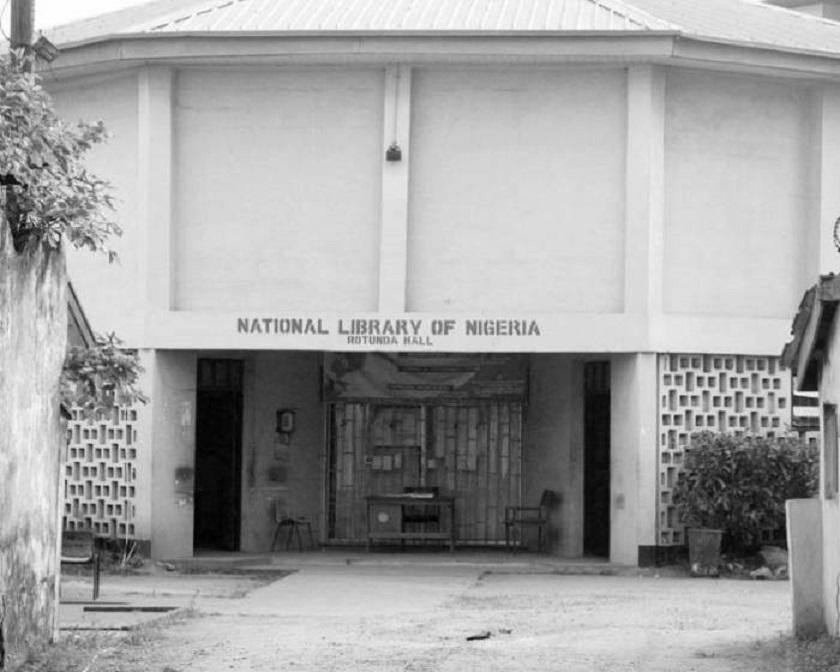
AUNESCO seminar on public libraries in Africa, held in Ibadan in 1953, helped build support for stronger library services.
Two years later, Azikiwe, as premier of Eastern Nigeria, supported legislation establishing a framework for public library services and publications in the region. The laws included the Eastern Nigeria Public Library Ordinance and the Eastern Nigeria Publications Law.
After Nigeria gained independence in 1960, the federal government revisited plans for a national library. The Ford Foundation funded a feasibility study led by Frank Rogers in 1961.

When library adviser Carl White arrived in Nigeria in 1962, the proposed National Library had no allocation in the country's development plan.
The National Library of Nigeria's official history records that Azikiwe, then governor-general, and Prime Minister Abubakar Tafawa Balewa helped move the project forward. They asked White to prepare a report explaining the library's purpose, structure and funding needs and the government accepted the recommendations.
The National Library Act was passed in September 1964, and the library opened on 6 November that year. Its establishment involved librarians, government officials and international partners, including the Ford Foundation.
Who gets access to knowledge?
The 1940 dispute shows how colonial officials made assumptions about African readers while access to library services remained limited.
Azikiwe challenged their position, and his later support for public library legislation in Eastern Nigeria extended his involvement in library development beyond that earlier disagreement.
The disagreement was about funding, but it also exposed a problem with judging people's reading interests without considering the opportunities available to them.