5 Iconic African Movies Turning 10 in 2026
These iconic African movies turn 10 in 2026. From record-breaking Nollywood hits to powerful true stories, here’s the 2016 film list that defined a decade.

Ten years ago, African cinema was having a quiet but decisive moment. Films released in 2016 were not begging for global validation or watering down their identities.
They told African stories as they were lived; messy, hopeful, political, romantic, and deeply human. Fast-forward to 2026, and these films are officially a decade old.
For young adults today, watching them now, it is not nostalgia. It is context.
Here are five iconic African movies turning 10 in 2026.
The Wedding Party (Nigeria, 2016)
Before The Wedding Party, Nigerian cinema had successful films. After it, Nollywood entered a new commercial era.
Directed by Kemi Adetiba, The Wedding Party followed the chaotic wedding weekend of Dunni and Dozie, two lovers from very different social classes.
What could have been a simple romantic comedy became a sharp, funny, and revealing portrait of Nigerian family politics, class anxiety, and societal expectations, all wrapped in glamour and laughter.
The film broke records on release, becoming the highest-grossing Nigerian movie at the time. But its real impact went beyond box office numbers.
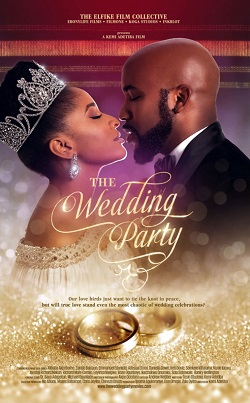
It proved that Nigerian films could be slick, culturally grounded, commercially massive, and exportable without losing their soul. The aesthetics were polished, the dialogue felt lived-in, and the humor was unmistakably local.
For young adults, The Wedding Party still feels familiar because the issues haven’t changed; class tension, family pressure, public performance of success, and the most relatable one, the fear of disappointing parents while trying to build a life on your own terms.
Ten years later, Nigerian weddings are still theatres of excess and emotion, and the film remains a cultural reference point.
It didn’t just entertain. It reset expectations.
93 Days (Nigeria, 2016)
Some films age well because they are entertaining. Others endure because they are necessary. 93 Days belongs to the second category.
Based on the true story of Nigeria’s response to the 2014 Ebola outbreak, the film chronicles the actions of health workers and government officials who prevented a national catastrophe.
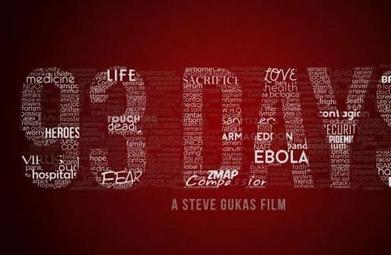
Released in 2016, 93 Days arrived at a time when African stories were rarely framed around institutional competence or moral courage.
It showed African professionals making hard, ethical decisions under pressure, not as caricatures, but as complex people navigating fear, responsibility, and sacrifice.
Queen of Katwe (Uganda, 2016)

Queen of Katwe told a story that Hollywood rarely tells well, African excellence without pity.
Based on the real life of Ugandan chess prodigy Phiona Mutesi, the film follows a girl from the slums of Katwe who discovers chess and, through it, a sense of possibility.
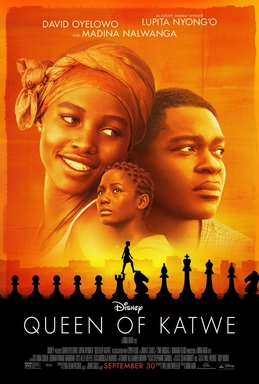
Directed by Mira Nair, the film resisted the usual “savior” narrative. It centered community, family, and personal agency rather than charity.
What made Queen of Katwe stand out was its restraint. Poverty was not aestheticized. Success was not exaggerated. Growth was gradual, realistic, and earned. Lupita Nyong’o’s performance as Phiona’s mother anchored the story in emotional truth, showing resilience without romanticizing struggle.
In an era obsessed with overnight success, Queen of Katwereminds viewers that progress is often slow, uneven, and still worthy.
Vaya (South Africa, 2016)
Vaya is not an easy film. That is precisely why it matters.
Set largely in Johannesburg, the film follows several characters who migrate from rural areas to the city in search of opportunity, only to encounter violence, exploitation, and moral compromise.
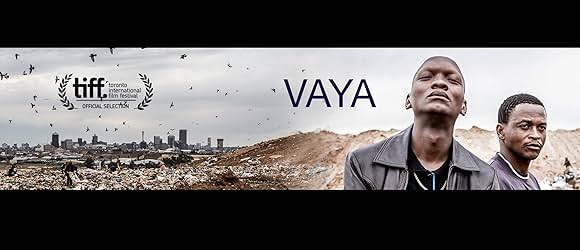
Directed by Akin Omotoso, Vaya strips the “city of dreams” narrative bare and replaces it with something colder and more honest.
The film deals with migration, poverty, crime, and systemic neglect without offering neat resolutions. Johannesburg is not portrayed as a villain, but as a machine; indifferent, consuming, and unforgiving.
The characters are not heroes or villains either. They are people making choices in environments that rarely reward morality.
A United Kingdom (Botswana / UK, 2016)
Though co-produced with the UK, A United Kingdom is firmly rooted in African political history and identity.
The film tells the true story of Seretse Khama, future president of Botswana, and his marriage to Ruth Williams, a white British woman, in the late 1940s.
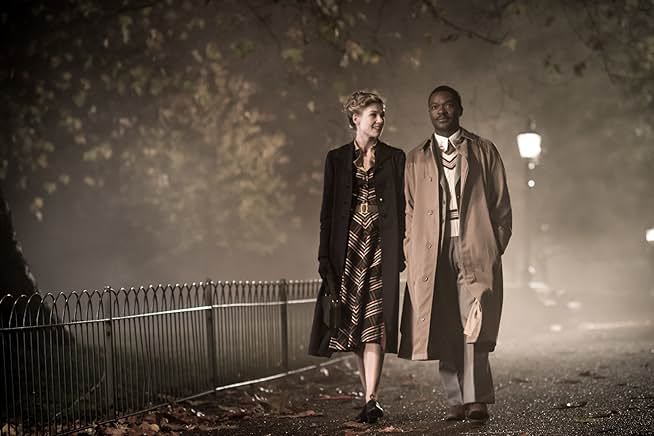
Their union sparked international controversy, threatened colonial interests, and challenged the racial politics of the time.
What makes the film enduring is its refusal to reduce the story to romance alone. It is about sovereignty, dignity, and the cost of self-determination.
Botswana is not portrayed as a passive colony but as a society fighting for the right to choose its own future.
Ten years later, the film remains relevant as conversations around interracial relationships, cultural identity, and post-colonial power dynamics continue. .
Why Are They Still Important in 2026
What connects these five films is not genre or language, but intent.
They were not made to chase trends. They were made to tell stories that mattered, to audiences at home and abroad. They expanded what African cinema could look like, sound like, and stand for.
Ten years later:
They still reflect real social tensions: class, health crises, migration, identity, and power.
They helped professionalize African film industries without erasing cultural specificity.
They proved African stories could travel globally without dilution.
They continue to influence younger filmmakers who now see possibility instead of limitation.
For young adults today, these films are more than entertainment. They are cultural documents. They capture a moment when African cinema quietly decided to stop asking for permission.
And that decision still echoes.