2026 Horror Slasher Unveils Unimaginable Killer Twist!
Jane Schoenbrun's new film, "Teenage Sex and Death at Camp Miasma," starring Gillian Anderson and Hannah Einbinder, brings an irreverent, queer-liberated twist to '80s slasher tropes. The director discusses overcoming greenlight challenges with MUBI's support, the vital role of collaboration, and the intricate details behind the film's unique character designs and an epic single-take scene.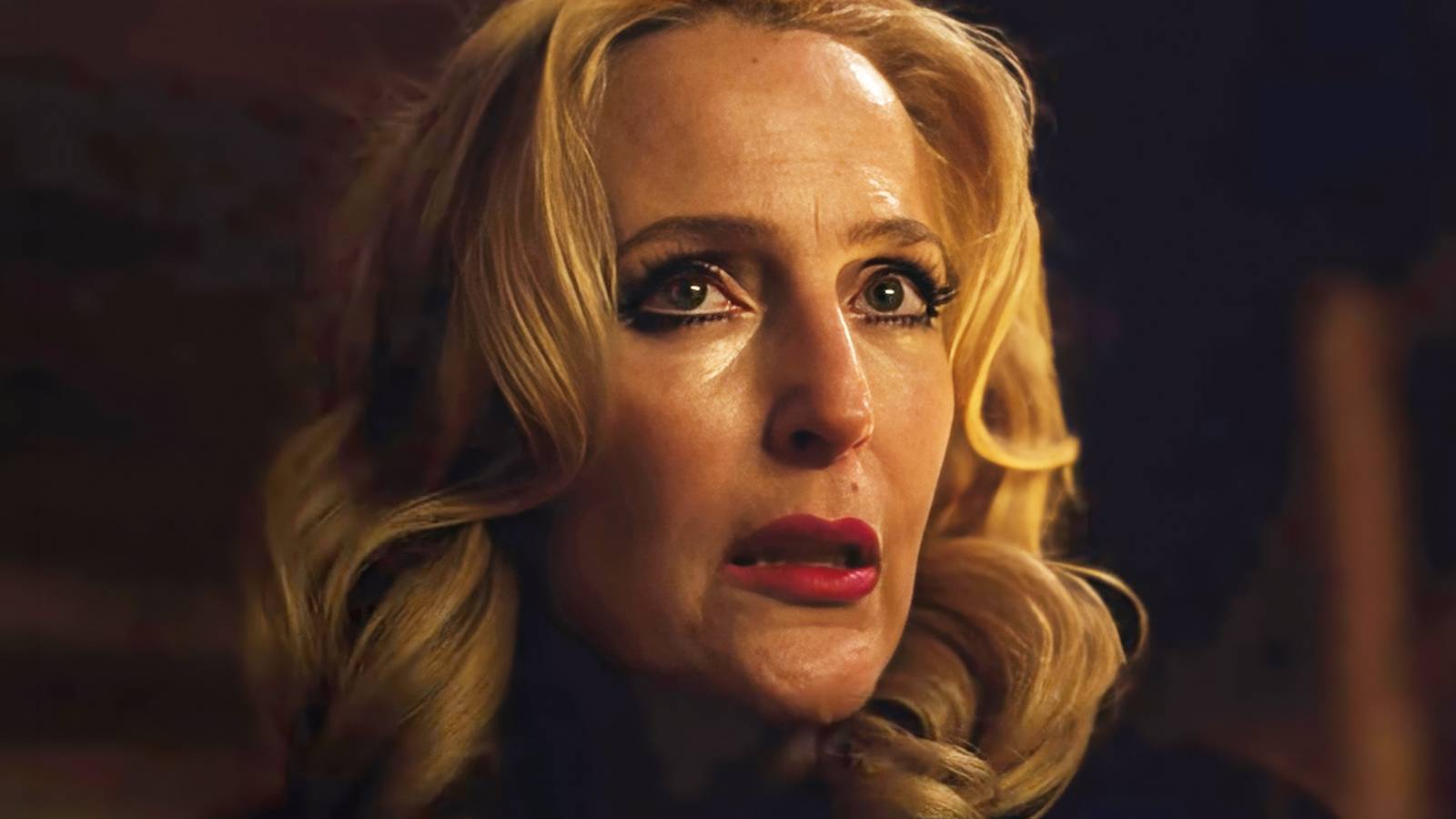
Director Jane Schoenbrun, known for their acclaimed films "We’re All Going to the World’s Fair" and "I Saw the TV Glow," returns with their third feature, "Teenage Sex and Death at Camp Miasma." The film, which features Gillian Anderson and Hannah Einbinder, faced a significant uphill battle to secure a green light, a struggle Schoenbrun describes as a "mystifying uphill battle." Fortunately, MUBI stepped in to provide crucial support, understanding and backing the ambitious project.
Influenced by classic '80s slasher movies such as "Friday the 13th" and "Sleepaway Camp," Schoenbrun’s latest work offers an irreverent and unique spin on the genre. The plot centers on Kris (Hannah Einbinder), a young filmmaker tasked with rebooting the Camp Miasma slasher franchise for its dwindling fanbase. While researching, Kris forms a profound connection with Billy (Gillian Anderson), the original film’s reclusive "final girl," who still resides at the campsite where the movies were shot. Their intense connection of desire and delirium ultimately leads to a blood-soaked awakening for Kris.
The film boasts a talented ensemble cast, including Zach Cherry as Will, Dylan Baker as Jeffrey, Jasmin Savoy Brown as Mari, Patrick Fischler as Rudolph, and reunites Schoenbrun with Jack Haven, who portrays the character of Little Death. Schoenbrun engaged in a detailed discussion with Collider's Perri Nemiroff, shedding light on MUBI's instrumental role in bringing the story to fruition and how creative collaborators elevated their vision.
Schoenbrun candidly shared the persistent difficulties faced by queer artists in Hollywood, stating, "It's getting harder for queer people to make honest stories about our lives, and especially if those stories aren't, like, trauma porn." They emphasized that narratives centered on "queer liberation" are often not considered a "hot selling point" by industry gatekeepers, despite "Teenage Sex and Death at Camp Miasma" being one of their more commercial and entertaining projects. This highlights the ongoing challenge of securing significant funding for stories that prioritize authentic queer perspectives.
Collaboration played a pivotal role in shaping the film, with Schoenbrun describing their script as a series of "potential gifts" for their cast and crew. Notable instances of collaborative elevation include the elaborate opening credits scene, which involved a pop-up writers’ room brainstorming fake taglines and intricate details. Production designer Brandon Tonner-Connolly surprised Schoenbrun with creative elements like a candy chandelier, while longtime assistant director Willy McGee suggested an unexpected shot involving a glass, matte-painted backdrop for a unique illusion. Schoenbrun embraces surrounding themselves with individuals who can both elevate the work and integrate their own voices into the director's vision.
The unique design of the character Little Death was a collaborative effort. Schoenbrun initially envisioned the character's core look, particularly the vent-like helmet, which was perfected with costume designer Kendra Terpenning. The plastic wrap outfit for Little Death evolved through extensive discussions, as the team sought to avoid conventional slasher villain tropes. The final design, according to Schoenbrun, felt "unexplainable in a good way."
One of the film's most ambitious elements is an "epic oner" scene, which required an astounding 200 hours of inter-departmental prep meetings involving costumes, special effects, stunts, VFX, and production design. The most challenging aspect was filming the second half, where Jack Haven performed with a 60-pound Snorricam rig strapped to them while dancing. This demanding sequence was successfully executed in a tense, final take, celebrated by the crew. However, one gag that didn't make the final cut involved a severed head on a stick with a mohawk that was intended to roll and then spring back, a piece of "puppetry" that proved unexpectedly difficult to achieve. Production also contended with the limited "true night" hours during May and June in Vancouver, allowing only a short window from 10:00 p.m. to 4:30 a.m. for night shoots. "Teenage Sex and Death at Camp Miasma" is set to debut in theaters on August 7.