10 Things You Didn't Know Nigeria Just Banned From Non-ECOWAS Imports
Nigeria has restricted 17 import categories to ECOWAS countries only. From poultry to pharmaceuticals, here are 10 surprising items now affected, and what it could mean for prices, supply, and local production.
Nigeria just changed a bunch of rules on its import game and if you haven't been paying attention, you might want to start now.
In a circular released by the Federal Ministry of Finance, signed off by Finance Minister Wale Edun, dated April 1, 2026, announced a ban on 17 categories of goods imported from countries outside the Economic Community of West African States (ECOWAS).
The policy is part of Nigeria's 2026 Fiscal Policy Measures and revised tariff amendments, and it is essentially the government's loudest statement yet that it wants Nigeria buying West African and building at home.
Some of these items will surprise you. Here are 10 things that just made the list.
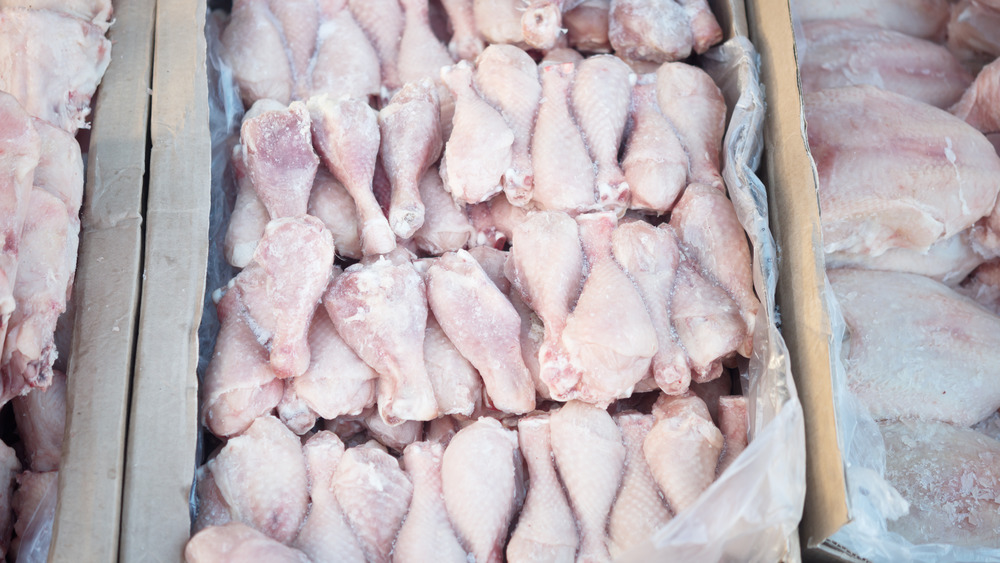
1. Frozen and Live Poultry
The ban covers live and dead birds, including frozen poultry, sourced from outside ECOWAS. The idea is to push demand toward local poultry farmers, but whether your supermarket shelves will reflect that smoothly is a whole different conversation.
2. Pork and Beef Products
Pork cuts, beef tongues, livers, shoulders importation from non-ECOWAS countries is now off the table, legally speaking.
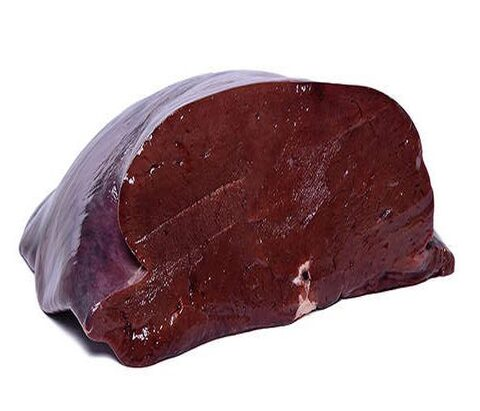
This covers a wide range of meat products that had been flowing in from outside the region. Nigeria's cattle and livestock sector is being pushed forward.
3. Bird Eggs
Eggs made the list too but with one exception. Hatching eggs meant for grandparent stock breeding and research purposes are still allowed in.
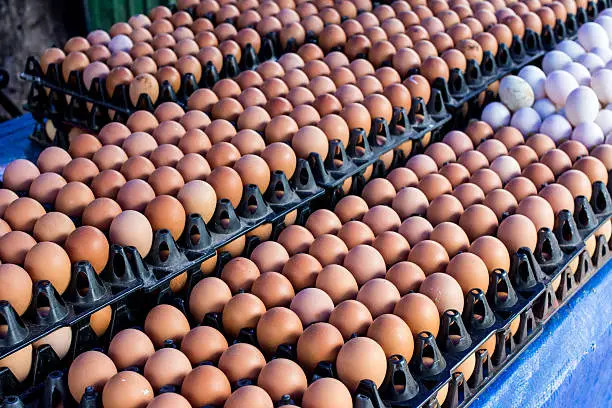
Everything else is not allowed in from outside ECOWAS. Given how central eggs are to everyday Nigerian cooking and street food culture, this one will be watched closely.
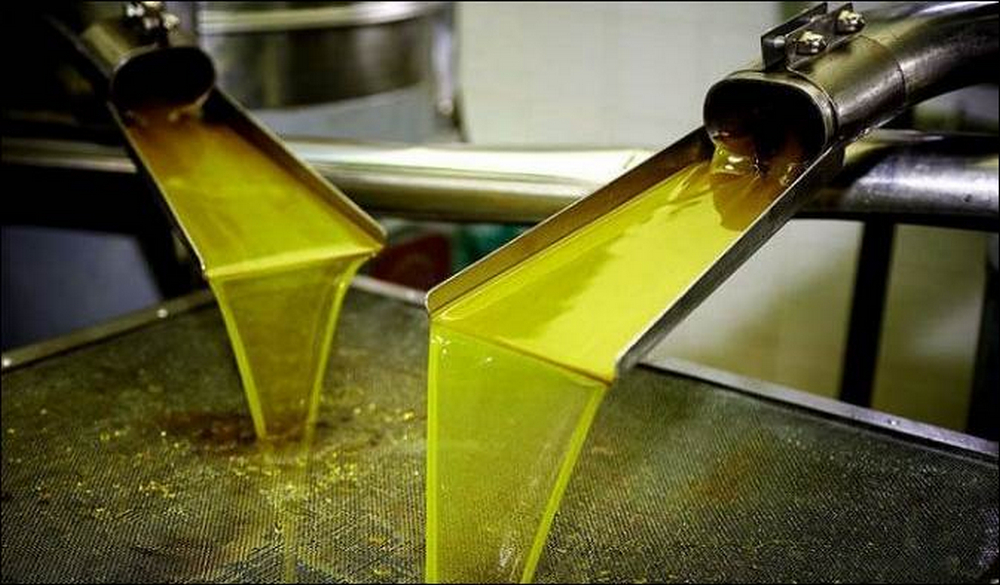
4. Refined Vegetable Oil
The ban targets refined vegetable oil from non-ECOWAS countries, with carved-out exceptions for linseed oil, castor oil, olive oil and hydrogenated vegetable fats. Crude vegetable oil is also excluded.
That bulk of refined cooking oils sitting in your kitchen cupboard are now restricted to regional sources.
5. Sugar
Cane and beet sugar in solid form, especially the kind with added flavouring or colouring, is banned from outside the bloc.
Nigeria's sugar refineries and the ongoing push to revive local sugar production have just been given a serious policy headstart. Whether that translates to affordable prices on the consumer end is the real question.
6. Cocoa Products
This one is very ironic. Nigeria is one of the world's top cocoa producers, yet it has historically exported raw cocoa and reimported finished cocoa products at a premium.
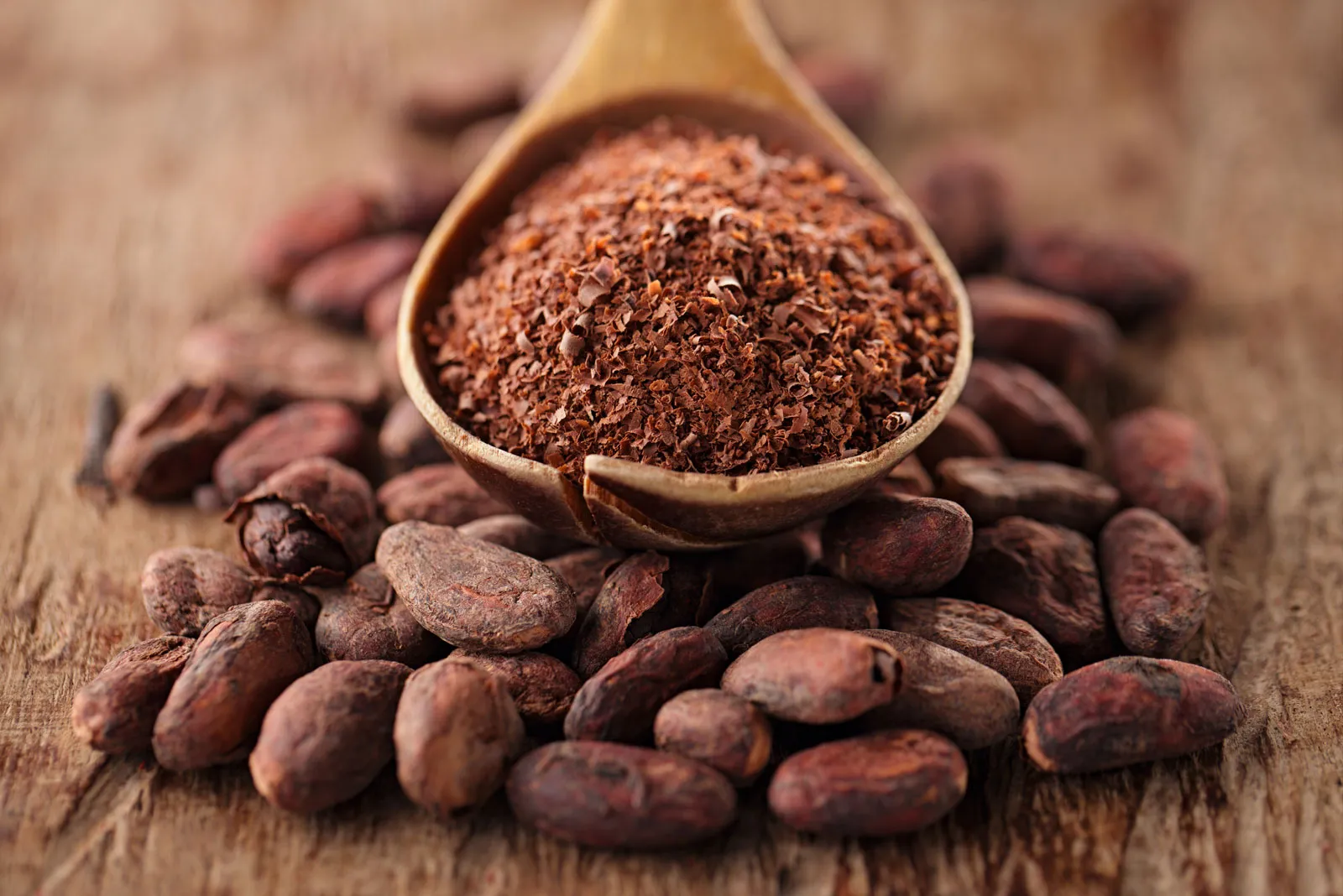
The ban on cocoa butter, cocoa powder, cocoa fat and oil and natural cocoa butter from non-ECOWAS countries is a direct push to change that dynamic and force value-addition at home.
7. Tomato Paste and Concentrates
Tomatoes, whether as a whole, in pieces, as paste, or as concentrate, from outside ECOWAS are now banned.
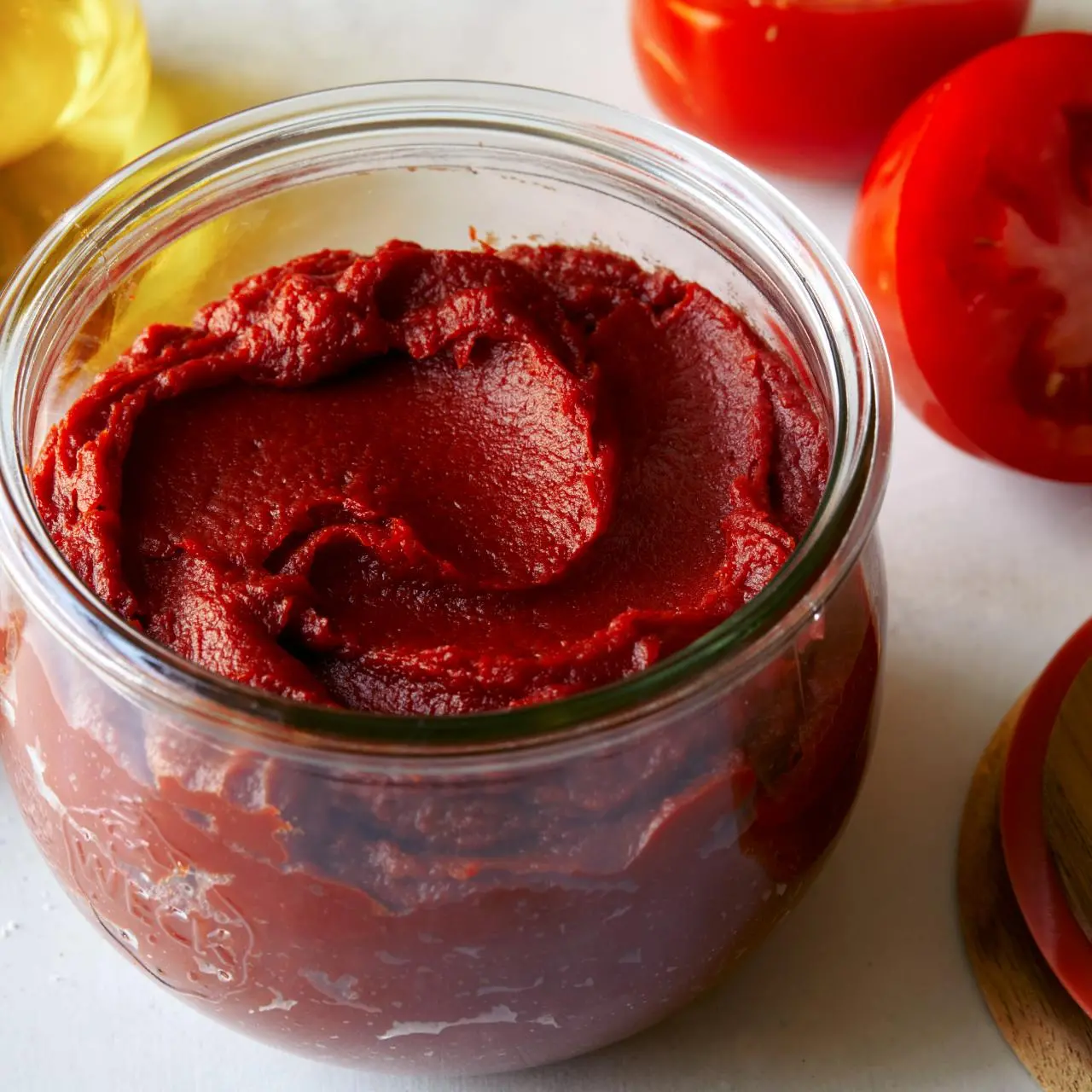
Anyone who has watched Nigeria's tomato processing sector struggle against cheaper imports for years will understand exactly what this policy is trying to do.
8. Sweetened and Flavoured Non-Alcoholic Beverages

Bottled water and carbonated drinks with added sugar or sweetening agents are banned from non-ECOWAS origins.
That includes a wide range of imported soft drinks and flavoured water brands that have been part of the Nigerian market. Local beverage manufacturers just got a significant edge.
9. Bagged Cement
Bagged cement from outside ECOWAS is now on the prohibition list.
With Nigeria's housing deficit running into millions of units, the government aims to protect local cement production and keep the value chain domestic.

Whether that means lower or higher prices for everyday Nigerians in the short term is still up for debate.
10. Pharmaceuticals and Medicaments
This is perhaps the most consequential item on the list. Multiple categories of medicines and pharmaceutical products from non-ECOWAS countries are now banned, alongside waste pharmaceuticals.
The Manufacturers Association of Nigeria called the broader policy a "bold step toward industrial revitalisation," but health sector watchers are keeping a close eye on how this affects drug availability and affordability, especially for medications that are not yet produced locally at sufficient scale.
Conclusion
Importers who had already opened a Form 'M' and entered into irrevocable trade agreements before April 1 have been given a 90-day grace period to process and clear their goods under the old duty rates. Anything new from that date falls under the new rules.
The National Association of Nigerian Traders has raised concerns about short-term inflation on essentials like cement, medicines, and food.
Whether this is the beginning of a genuinely transformative industrial policy or a move that squeezes consumers before it protects them, we are still watching.