10 Nigerian Fruits: Surprising Uses & When to Buy Them
Tired of buying overpriced mangoes in April or being tricked into sour agbalumo in January? This is your Naija Fruit Survival Guide. Know their seasons, growth timeline, and surprising ways to use or benefit from them. Let’s dive in.
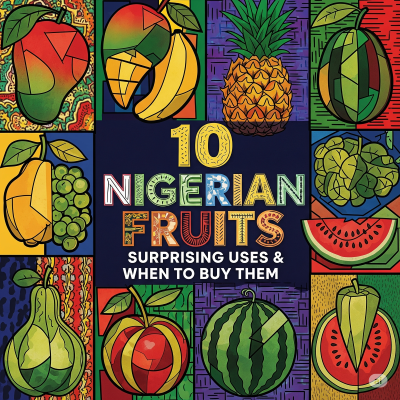
Tired of buying overpriced mangoes in April or being tricked into sour agbalumo in January? This is your Naija Fruit Survival Guide. Here are 10 Nigerian fruits you should know—from crowd faves to under-the-radar gems. Know their seasons, growth timeline, and one fun way to use or benefit from them you probably didn’t know. Let’s dive in.
1. Mango
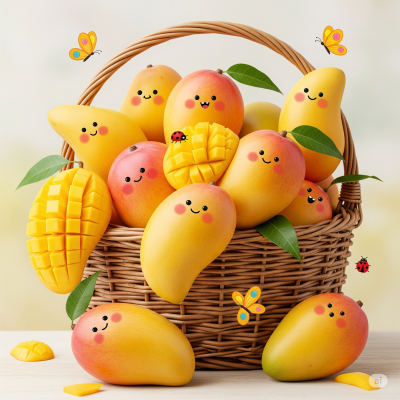
Fruiting Season (Yearly): March – June
Time to Maturity: 3–6 years (2–4 years if grafted)
Growth Tip: Needs full sun, deep soil, and a dry spell for sweeter fruits.
Hack: Mango peels can be dried and used in antioxidant face masks.
Fun Fact: Mango belongs to the same plant family as poison ivy!
2. Orange
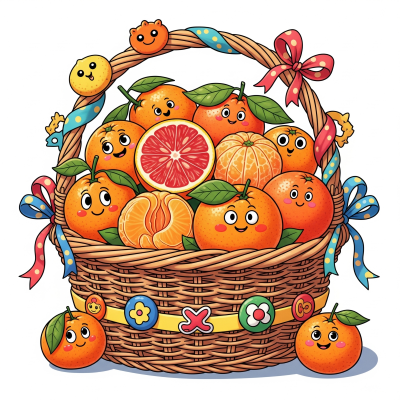
Fruiting Season: October – March
Time to Maturity: 3–5 years
Growth Tip: Grows best in slightly acidic, well-drained soil with sun.
Hack: Dry the peels and place them near doors/windows—they repel ants!
Fun Fact: One orange tree can produce up to 60,000 flowers, but only 1% turn into fruit.
3. Guava
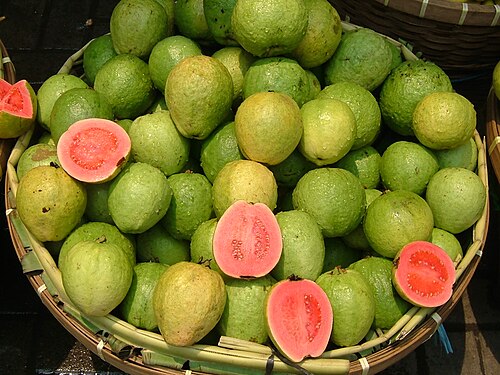
Fruiting Season: August – November
Time to Maturity: 2–4 yearsGrowth Tip: Tolerates poor soil, but loves full sunlight.
Hack: Boil guava leaves into tea to relieve diarrhea and freshen breath.
Fun Fact: Guava contains more Vitamin C than oranges—4x as much!
4. Banana
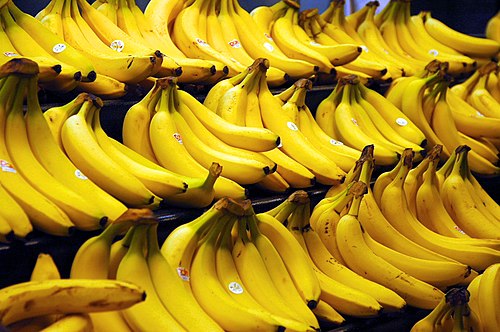
Fruiting Season: Year-round; peak March – October
Time to Maturity: 9–12 months
Growth Tip: Needs plenty of water and fertile, loamy soil.
Hack: Banana peels can be used to shine leather shoes or polish houseplants!
Fun Fact: Bananas are technically berries, but strawberries aren’t.
5. Pineapple

Fruiting Season: April – July & October – December
Time to Maturity: 18–24 months
Growth Tip: Grows best in sandy soil with good sun exposure.
Hack: Don’t toss the core—it’s rich in bromelain, a natural anti-inflammatory.
Fun Fact: A single pineapple takes over a year to grow—just one fruit per plant.
6. African Star Apple (Agbalumo/Udara)
.jpg)
Fruiting Season: December – April
Time to Maturity: 5–7 years
Growth Tip: Needs humidity and tolerates poor soils; thrives in rainforest zones.
Hack: Bark sap is used in traditional medicine for wounds and gum infections.
Fun Fact: The fruit contains a natural chewing gum substance called “latex.”
7. Soursop (Graviola)
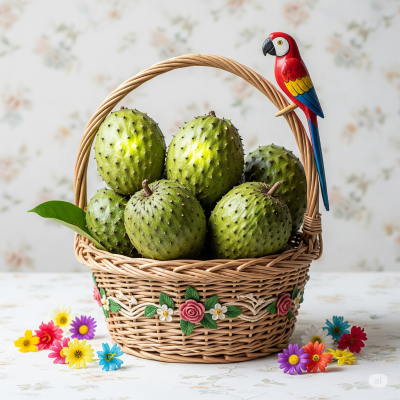
Fruiting Season: May – August
Time to Maturity: 3–5 years
Growth Tip: Prefers moist, rich soils and some wind protection.
Hack: Soursop leaf tea helps with insomnia and anxiety.
Fun Fact: The fruit’s spiny green skin inspired the name “soursop,” even though it tastes like a mix of strawberry and pineapple!
8. Pawpaw
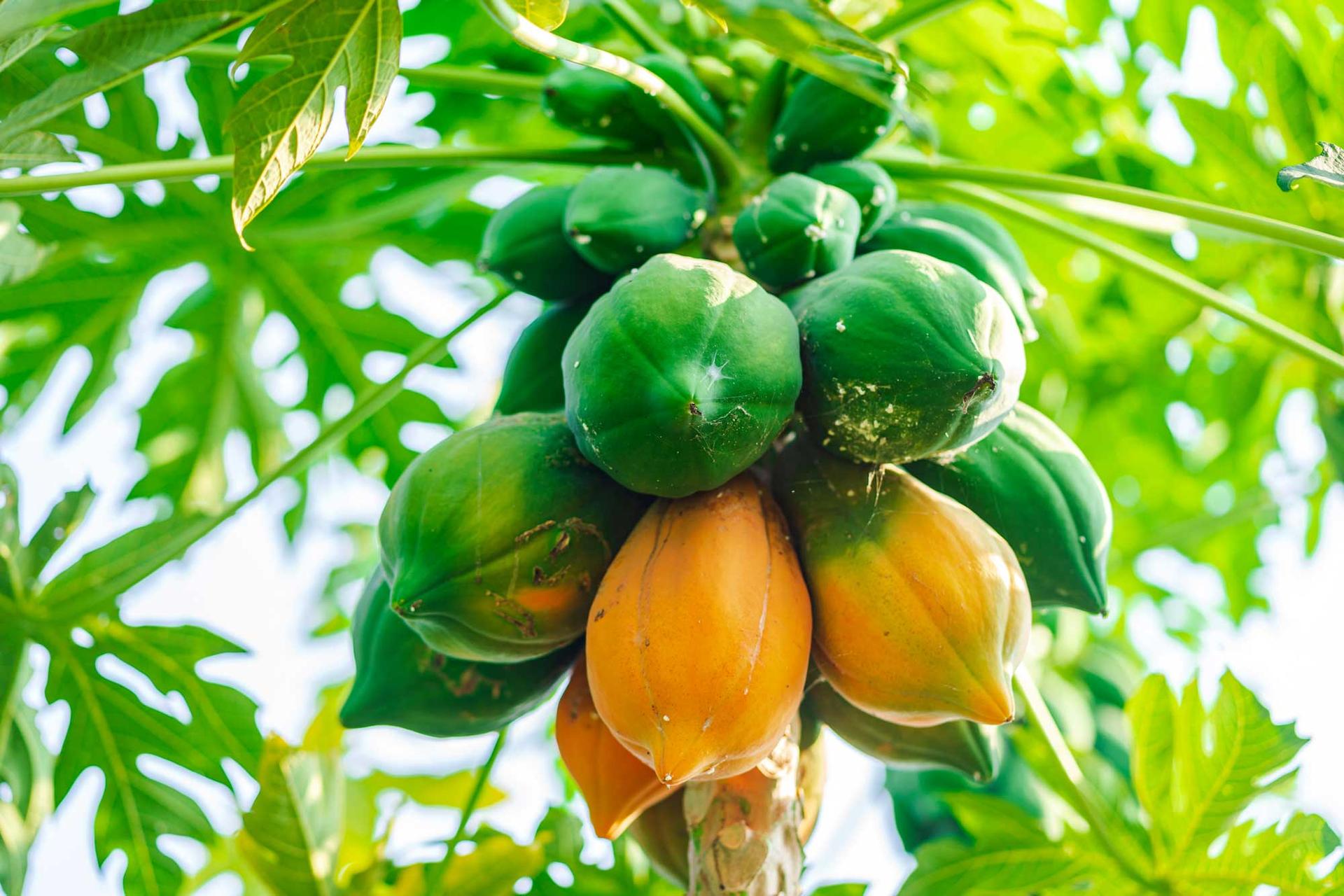
Fruiting Season: Year-round; peak February – May
Time to Maturity: 6–9 months
Growth Tip: Avoid waterlogging; ideal in light, well-drained soils.
Hack: Crush seeds and add to smoothies (in moderation) to help detox your liver.
Fun Fact: The enzyme papain from papaya breaks down meat proteins—use it as a natural tenderizer.

9. Coconut
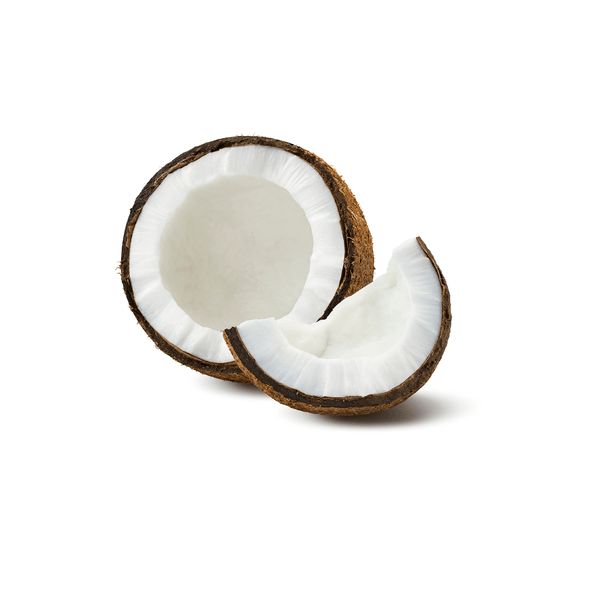
Fruiting Season: Year-round; peak September – December
Time to Maturity: 6–10 years
Growth Tip: Thrives in coastal areas with sandy soil and full sunlight.
Hack: Coconut water is a natural rehydration drink—it contains electrolytes like potassium and magnesium.
Fun Fact: Coconut is not a nut; it’s a drupe (stone fruit), like peaches!
10. African Bush Mango (Ogbono)
Fruiting Season: April – July
Time to Maturity: 7–10 years
Growth Tip: Loves shaded rainforest areas with loamy soil.
Hack: The oil-rich ogbono seed can be ground into a protein-packed paste—great for thickening soups.
Fun Fact: Ogbono is believed to help with weight management due to its soluble fiber content.
Know the season = Pay less. Know the parts = Waste less. Know the hacks = Live best
📌 Share this with your mum, your plug, your garden-loving auntie.