Zamfara Governor Pledges Thousands of Jobs Through Revival of Textile Industry
Could Zamfara's once-booming textile industry make a comeback? Governor Dauda Lawal believes reviving cotton processing and manufacturing could create thousands of jobs and transform the state's economy. Here's how he plans to make it happen.

The Zamfara State Governor, Dauda Lawal has unveiled plans to create thousands of jobs by reviving the state's once-thriving textile industry, cotton ginneries, and oil mills.
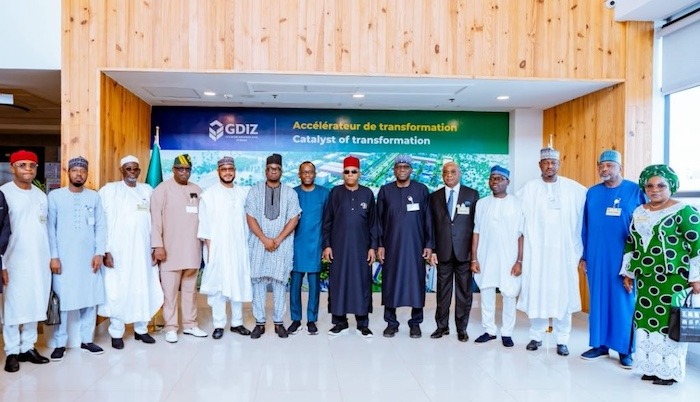
The governor announced the initiative after joiningVice President Kashim Shettima on an inspection tour of the Glo-Djigbé Industrial Zone (GDIZ) in Benin Republic, saying the visit provided a practical roadmap for rebuilding Zamfara's agro-industrial sector.
The proposed revival is expected to strengthen local manufacturing, boost agricultural value chains, and create employment opportunities across the state.
Lawal said the initiative is part of his broader vision to restore Zamfara's industrial capacity, encourage value addition to locally produced agricultural commodities, and reduce unemployment.
He expressed confidence that reviving the sector would stimulate economic growth, attract investment, and improve livelihoods for thousands of residents across the state.
Learning from Benin's Industrial Success
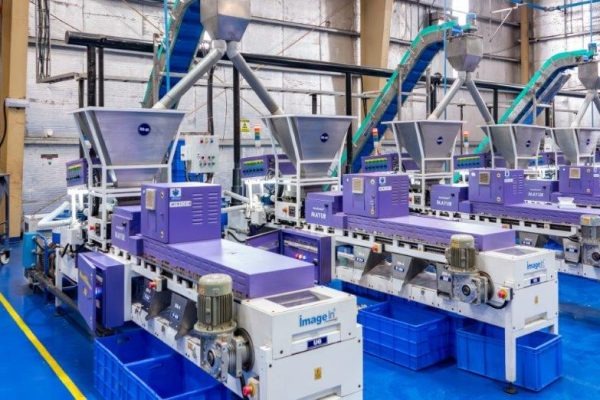
Governor Lawal said the visit to the Glo-Djigbé Industrial Zone (GDIZ) demonstrated how strong government policies, modern infrastructure, and private-sector investment can transform agricultural products into finished goods while creating jobs.
He noted that the industrial hub connects farmers with processors, reduces the export of raw commodities, and encourages local manufacturing.
According to the governor, the model offers valuable lessons that could help Zamfara develop a more competitive agro-industrial economy and unlock new opportunities for businesses and young people.
He said the experience reinforced his belief that investing in value-added industries is essential for creating sustainable employment and driving economic growth.
Lawal also expressed optimism that adopting similar strategies in Zamfara would strengthen local production, attract investors, and position the state as a major centre for agro-processing and textile manufacturing in Nigeria.
Reviving Zamfara's Textile Heritage
He reflected on the state's industrial past, which made Lawal recall that Zamfara once had a flourishing textile sector supported by 23 cotton ginneries, oil mills, and textile factories that employed thousands of workers.
He shared personal memories of growing up around the industry, noting that his father was among the owners of the Zamfara Textile Industry.
"This takes me down memory lane because I grew up around this industry," the governor said, adding that the textile factory once operated three shifts with about 2,000 workers on each shift.
At its peak, the industry played a major role in employment, cotton processing, and the state's economic development.
Lawal said restoring the textile industry is one of the lasting legacies he hopes to leave behind, expressing confidence that rebuilding the sector would revive local manufacturing, create thousands of jobs, and reconnect farmers, processors, and manufacturers through a stronger agricultural value chain.
Job Creation and Economic Transformation
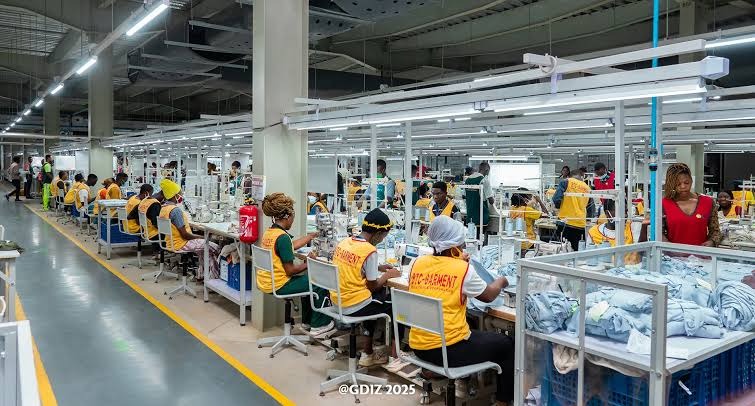
Lawal explained that reviving cotton production and textile manufacturing would create opportunities across the entire value chain, from farming and processing to manufacturing and distribution.

He believes the initiative will generate thousands of jobs, add value to locally produced cotton, and improve incomes for farmers and businesses.
"When the entire system is restored, farmers, processors and manufacturers will participate in the value chain, creating jobs, adding value and improving the economic conditions of our people," the governor said.
He also expressed confidence that rebuilding the industry would stimulate broader economic development, reduce unemployment, and position Zamfara as a key player in Nigeria's manufacturing sector.
He added that the project aligns with the Federal Government's broader push to expand agro-industrial processing and strengthen domestic production.
If successfully implemented, the initiative could help diversify the state's economy, attract private investment, and restore Zamfara's reputation as one of Nigeria's leading cotton and textile-producing states.
Conclusion
Governor Lawal's vision to revive Zamfara's textile industry reflects a broader effort to rebuild the state's industrial base and create sustainable employment opportunities.
While the plan will require substantial investment, infrastructure, and collaboration with the private sector, it has the potential to restore an industry that once played a vital role in the state's economy.
If successfully implemented, the initiative could boost local manufacturing, strengthen agricultural value chains, and provide lasting economic benefits for the people of Zamfara.
The success of the programme will likely depend on sustained policy implementation, consistent investment, and effective collaboration between government and private-sector stakeholders.
If these elements are maintained, the initiative could become a model for how states can leverage agriculture and manufacturing to drive job creation and long-term economic development.