Zambia Debates Presidential Term Limits as Calls to Extend Hichilema’s Tenure Emerge
Zambia is experiencing a robust public debate on presidential term limits and constitutional amendments, with historical context informing current discussions. While some advocate for longer terms to ensure development, others warn against altering constitutional safeguards through parliamentary maneuvers, citing risks to democracy and stability. The discourse highlights fundamental questions about governance and public participation.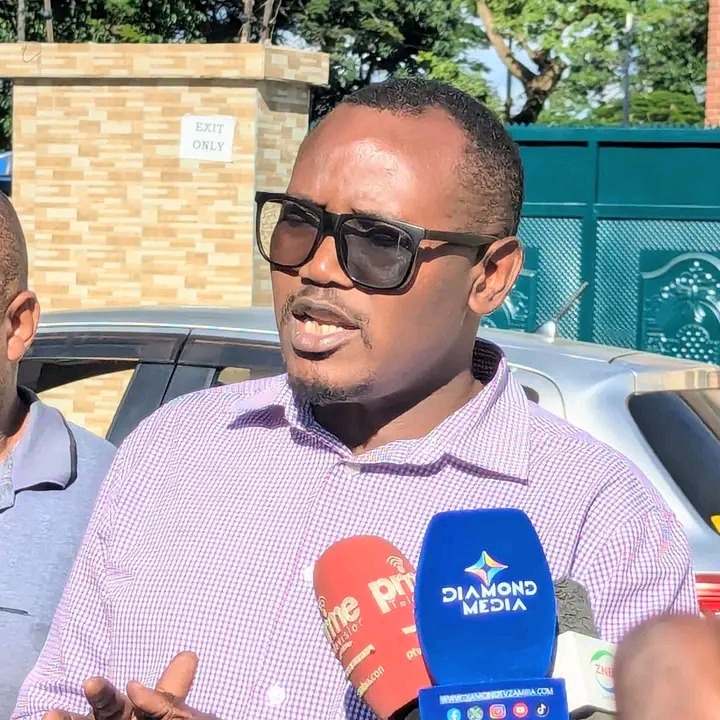
Zambia has been drawn into a renewed debate over presidential term limits and possible constitutional reform, barely weeks after President Hakainde Hichilema began his second five-year term. Under Article 106 of the Constitution, a presidential term lasts five years and a person who has twice held office as President is not eligible for election, meaning Hichilema’s current 2026–2031 mandate is his second under the existing framework.
UPND figures and other commentators have nevertheless begun publicly discussing whether the limits should be changed, with supporters arguing that longer tenure could provide greater continuity for government programmes, while others have raised concerns about altering constitutional safeguards.
Isaiah Brian Sovi proposed a 10-year presidential term, arguing that a five-year tenure may not provide sufficient time for elected leaders to implement long-term programmes and deliver measurable results, provided longer tenure is accompanied by accountability and institutional checks.
UPND member George Mtonga went further, arguing that Hichilema’s plans would require about 20 years to realise their expected value and that even 10 years could be insufficient because of the time involved in documentation, financial processes and implementation. UPND Media Director Mark Simuuwe has defended the broader discussion of constitutional reform, while Attorney General Mulilo Kabesha said any reform process would have to follow lawful procedures and involve public participation.
Other voices have cautioned against extending Hichilema’s tenure beyond the existing constitutional limit. Richard Masheke Akashambatwa, a UPND member, has urged party cadres not to encourage Hichilema to seek more than two terms, while civil society figures and opposition politicians have also criticised calls for a third term.
The UPND has said MP Florence Chileshe Chama’s call for Hichilema to remain beyond 2031 represents her personal position and that the party has not discussed the removal of the presidential term limit, while current reporting indicates that no formal proposal to abolish the two-term limit has been tabled before Parliament.