Your ATM Card Is About to Cost More, But the CBN Is Also Scrapping Some Charges
The CBN's draft 2026 Guide to Charges proposes raising ATM card fees to N1,500 while scrapping the N50 monthly maintenance fee and making small digital transfers free. Here's what changes and what it means for bank customers.
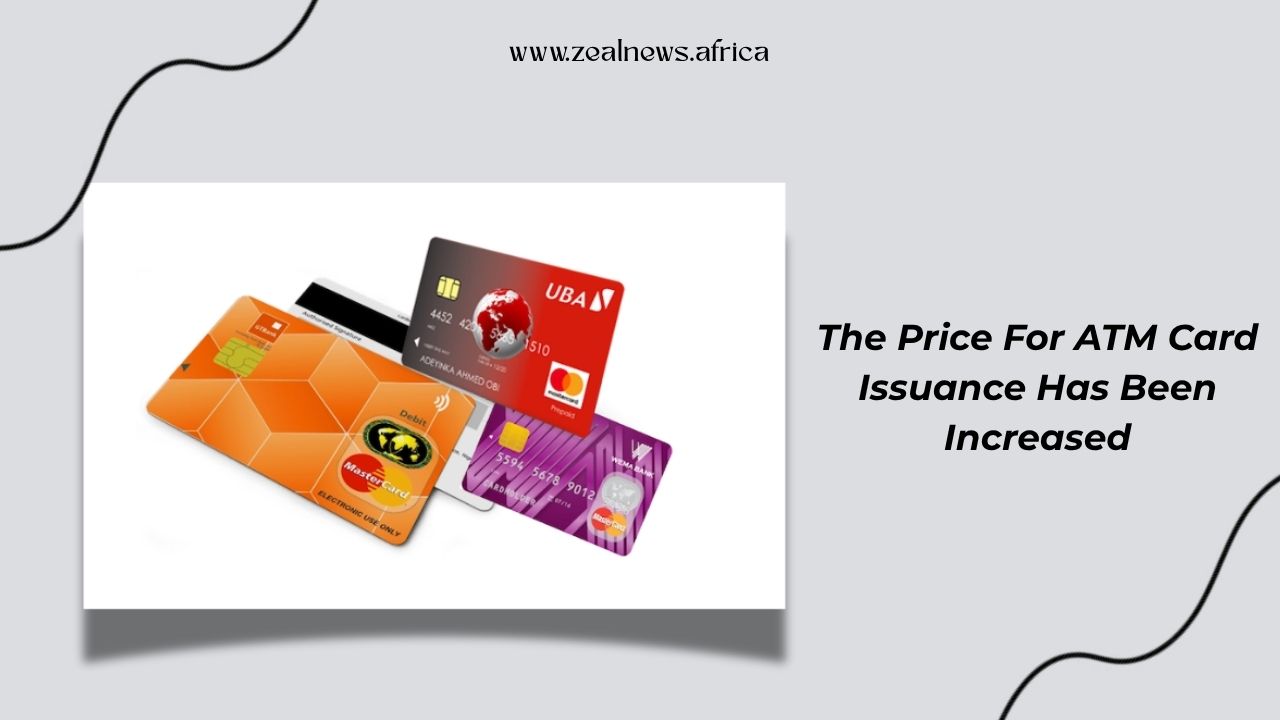
If you have a Naira debit card, two things are about to change at the same time, one will cost you more upfront, and the other will quietly save you money every month.
The Central Bank of Nigeria (CBN) has released a draft 2026 Guide to Charges proposing a 50% increase in the cost of issuing or replacing a standard debit or credit card, from N1,000 to N1,500, while simultaneously scrapping the N50 monthly maintenance fee that Naira cardholders have paid for years.
The proposals, currently open for public consultation, form part of a push to modernize Nigeria's payments system and drive more transactions onto digital channels.
What Is Changing on Card Fees and Digital Transfers
The card issuance fee increase is the most visible change in the draft. Getting a new debit or credit card, or replacing a lost one, will now cost N1,500 instead of N1,000.
Foreign currency cardholders are unaffected by the monthly fee removal and will continue paying an annual fee. On digital transfers, the draft introduces a tiered structure designed to make low-value transactions cheaper.
Transfers below N5,000 will attract no charge at all. Transactions between N5,000 and N50,000 will cost N10, while transfers above N50,000 will be charged N50. Virtual debit cards will remain free, a decision that effectively rewards app-based banking and reduces the incentive to rely on a physical card.
Merchants Will Now Absorb Card Transaction Costs, Not Customers
One of the more significant structural shifts in the draft is the removal of card payment charges for consumers at merchant locations. Under the new rules, businesses, not customers, will bear the cost of card transactions through a Merchant Service Charge capped at 0.5%, with a maximum of N10,000 per transaction.
This brings Nigeria closer to how card payments work in most developed markets, where the merchant absorbs processing costs as part of the cost of accepting electronic payment. For everyday shoppers, it means paying for goods without an added card surcharge at the point of sale.
On ATM withdrawals, the draft proposes a charge of N100 for every N20,000 withdrawn at on-site machines. Off-site ATM withdrawals could attract an additional surcharge of up to N500, which must be disclosed to the customer before the transaction is completed.
A N150 fee is also proposed for processing e-dividend mandates, the service investors use to receive dividends directly into their bank accounts.
Who This Applies to and What Happens Next
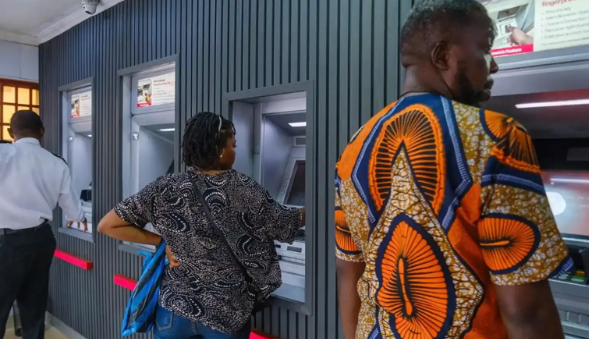
The new directive will apply across every tier of Nigeria's financial system, commercial banks, microfinance banks, payment service banks, mobile money operators, and all other CBN-regulated institutions.
The CBN stated that the review is designed to promote a safe and sound financial system, encourage innovation, and reflect changes in the sector since the last version of the guidelines was issued in 2020.
The draft is open for stakeholder feedback before implementation. For consumers, the net picture is fewer routine charges but a higher cost at the point of getting a card. For banks and payment providers, the message is direct: the era of building revenue on transaction fees is narrowing.