You Think Hunger and Pepper Cause Ulcer? Maybe Not — So What Actually Causes It?
Hunger and pepper are often blamed for ulcers, but the real causes are different. Here’s what actually causes peptic ulcers and when stomach pain needs attention.

You know that advice: “Don't let your stomach stay empty. You have ulcer.”
And if pepper makes your stomach burn, it seems to confirm the whole thing.
There is just one problem with that explanation. The pain you feel when you are hungry is not the same thing as what caused the ulcer in the first place.
An empty stomach can bring the pain
For some people with an ulcer, the pain shows up when the stomach is empty, between meals or at night, so eating can sometimes make it settle for a while.
That can create a simple connection in someone's mind: I stayed hungry, my stomach started hurting, so hunger must be causing the ulcer.
The pain does not necessarily tell you what caused the ulcer.
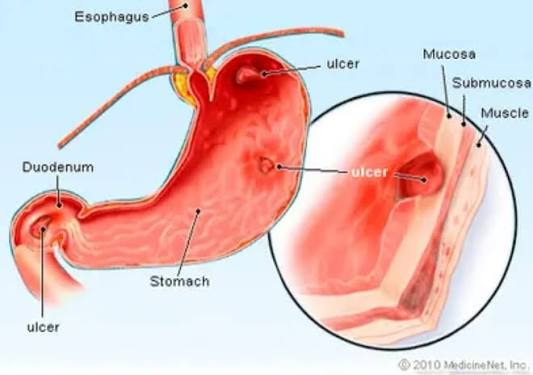
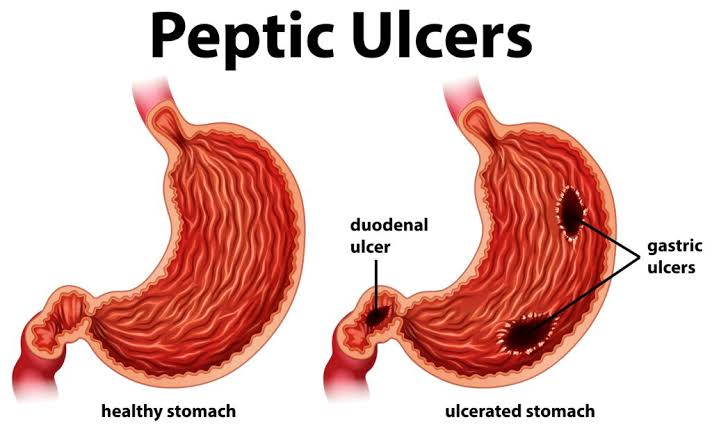
A peptic ulcer is a sore in the lining of the stomach or the duodenum, the first part of the small intestine. The two main causes areHelicobacter pylori (H. pylori) infection and regular use of certain painkillers called NSAIDs.
The bacteria people may not know they have
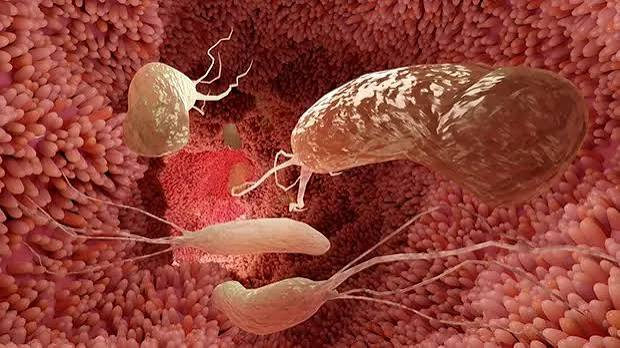
H. pylori is a type of bacteria that can live in the stomach. It can damage the stomach's protective lining and cause inflammation.
Some people have the infection without obvious symptoms and can contribute to an ulcer.
Recurring stomach pain can therefore have little to do with what someone ate that day. A person can spend months changing their diet without addressing an H. pylori infection.
Doctors can test for H. pylori using methods such as breath or stool tests, with other tests used depending on the person's symptoms and medical history.
The painkiller sitting in the medicine cabinet
Ibuprofen, diclofenac, aspirin and naproxen are NSAIDs. They are common medicines for headaches, body pain, menstrual pain, toothache and other everyday problems.
Regular use can increase the risk of developing an ulcer, particularly with higher doses or long-term use.
Painkillers are easy to reach for when something hurts. Someone may be cutting down on pepper because of recurring stomach pain while taking ibuprofen regularly for another problem.
The food may be aggravating the symptoms. The painkiller is a recognised risk factor for ulcers.
Pepper can worsen symptoms
Spicy food does not create a peptic ulcer.

Some people with an ulcer or other stomach symptoms find that pepper and other spicy foods make the burning or discomfort worse.
Other foods can also trigger discomfort in some people, so avoiding a food that consistently causes symptoms may help someone feel better, but it does not treat an H. pylori infection or an ulcer caused by NSAIDs.
Researchers have not found that diet plays an important role in causing, preventing or treating peptic ulcers, so there is no special ulcer diet.
Stomach pain is not automatically an ulcer
Ulcers can cause burning or discomfort in the upper abdomen and some people experience nausea, bloating, belching or feeling full sooner than usual.
The pain can improve after eating for some people and get worse after eating for others, while some with ulcers have no symptoms at all.
Indigestion, gastritis and other digestive problems can produce similar complaints.
Treatment depends on the cause. H. pylori ulcers are treated with medicines that clear the infection, while an ulcer linked to NSAIDs may require a review of the painkiller and medication to help the stomach heal.
Most peptic ulcers can heal with appropriate treatment, especially when the underlying cause is addressed.
Vomiting blood, passing black or tarry stool, feeling faint or dizzy, or developing sudden severe abdominal pain can point to bleeding or another serious complication and need urgent medical attention.
If the pain keeps coming back, don't assume it is just hunger or pepper. Find out what is actually causing it.