Xenophobia Crisis Rocks South Africa: Government Condemns Attacks, AU Probes
Nigeria has ordered a crisis notification unit in its South African missions and prioritized citizen evacuation amidst escalating anti-foreigner tensions. Ghana has formally petitioned the African Union to intervene, while South Africa's government denies widespread xenophobia, attributing incidents to criminality and condemning 'fake videos.' The diplomatic rift highlights broader concerns about targeted violence against African nationals and its impact on regional relations.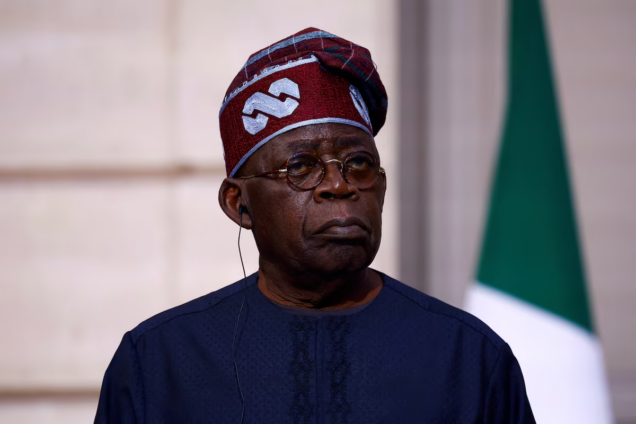
Nigerian President Bola Tinubu has ordered the immediate establishment of a crisis notification unit within Nigerian diplomatic missions in South Africa. This directive comes in response to a surge in anti-foreigner tensions and xenophobic attacks specifically targeting African nationals across several South African provinces, leaving Nigerian citizens vulnerable. Nigeria’s Minister of Foreign Affairs, Bianca Odumegwu-Ojukwu, announced this measure following high-level discussions with her South African counterpart, Ronald Lamola, emphasizing the unit's role as a direct lifeline for citizens facing immediate threats. The Nigerian government has also advised its citizens in high-tension areas like Durban to temporarily close their businesses and remain indoors for safety.
This formal government response follows earlier diplomatic actions, including Nigeria summoning South Africa’s Acting High Commissioner, Lesoli Machele, to demand accountability for the alleged assaults and deaths of Nigerian nationals Nnaemeka Matthew Andrew Ekpeyong and Kelvin Chidiebere Amaramiro by South African security personnel. Minister Odumegwu-Ojukwu firmly defended Nigeria’s right to protect its people, stressing that the Federal Government would not remain passive despite South African reservations about potential evacuation plans. She stated, "I maintained that our government cannot stand by and watch the systematic harassment and humiliation of our nationals resident in SA as well as the extra-judicial killings of our people, and that the evacuation of our citizens who want to return home remains our government’s priority at this time." At least 130 Nigerians have already registered for voluntary evacuation, choosing to leave for home.
Nigeria is pushing for more than just physical protection, demanding a systemic overhaul in how crimes against Nigerians are prosecuted. Odumegwu-Ojukwu urged South African police and justice systems to address extrajudicial killings with greater urgency, stating, "there should be clear and immediate consequences for such acts." Furthermore, the Nigerian government has introduced a shift in terminology, with Minister Odumegwu-Ojukwu questioning whether 'xenophobia' accurately describes the violence. She noted the hostility appears selectively targeted at fellow Africans rather than all foreigners, suggesting the term 'Afriphobia' might be more accurate. She warned that the "violent and indiscriminate rhetoric and actions" of anti-foreigner political groups like Operation Dudula could jeopardize South African interests in Nigeria.
A particularly distressing aspect of the crisis involves the treatment of children. Reports indicate that Nigerian students and "Sougerians"—children of mixed Nigerian and South African heritage—are facing bullying in schools, being told to "return to their country." Odumegwu-Ojukwu described these incidents as "reprehensible and capable of causing trauma to young minds." While Minister Lamola acknowledged the responsibility to protect children and pledged cooperation with educational bodies, the Nigerian government remains concerned about ongoing hostility.
The crisis has sparked a unified diplomatic reaction across Africa. Ghana’s government formally petitioned the African Union (AU) to demand an urgent continental discussion on the safety of Africans in South Africa, describing the situation as a "serious risk to the safety and well-being" of all continental nationals. Ghana’s intervention, which followed viral footage of a Ghanaian national being harassed, included facilitating the safe return of targeted citizens and summoning South Africa's top diplomat. This collective alarm is shared by Mozambique, Kenya, Malawi, and Zimbabwe, whose leaders have met with President Cyril Ramaphosa to call for calm and the preservation of "African brotherhood." In Abuja, the Nigerian House of Representatives has condemned the attacks and proposed economic sanctions, including a temporary suspension of business permits for South African companies operating in Nigeria.
The South African government, however, has pushed back against the international narrative. Minister in the Presidency Khumbudzo Ntshavheni dismissed reports of widespread xenophobic attacks, characterizing the violence as general criminality. She condemned the circulation of "fake videos and images" online, claiming they were "intended to undermine the good reputation of South Africa internationally and undermine the country's pursuit of a better Africa agenda." While South African officials acknowledge the public’s right to protest "the spiralling illegal immigration challenge," they maintain that violence linked to such protests is unacceptable and that the country remains a welcoming environment. President Ramaphosa's spokesperson stated, "South Africa is a welcoming country. South Africans are open, friendly and warm people. And we will reject any notion that seeks to characterise this country or its people as being xenophobic."
Despite official denials of widespread xenophobia, thousands of South Africans have taken to the streets in major cities to protest against undocumented immigration, demanding mass deportations and citing the impact of illegal migration on jobs, housing, and crime. Many citizens blame foreign nationals for the country's high unemployment rate, which exceeds 30%. Data from Stats SA shows a steady increase in the immigrant population, from 2% in 1996 to 4% in 2022, primarily from the Southern African Development Community region. Migrant rights groups argue that these individuals are being scapegoated for broader structural economic problems.
Despite the sharp rhetoric and threats of economic sanctions, both nations have pledged to maintain diplomatic channels to prevent further escalation. South Africa has stated its willingness to cooperate with any AU process examining allegations of xenophobic attacks. The successful protection of vulnerable populations, including "Sougerian" children, will likely determine the future of the relationship between Africa’s two largest economies. As the AU weighs Ghana’s request for a fact-finding mission, the South African government faces increasing pressure to demonstrate that its rhetoric of a "welcoming country" aligns with the lived experiences of millions of migrants within its borders, maintaining a delicate balance between addressing domestic anxieties and upholding Pan-African cooperation.