Xenophobia Crisis: Nigerians Recount Horrors, Repatriation Efforts Intensify
Nigeria evacuates citizens from South Africa amid xenophobic attacks, with returnees sharing trauma, deportations underway and diplomatic tensions rising between the two nations.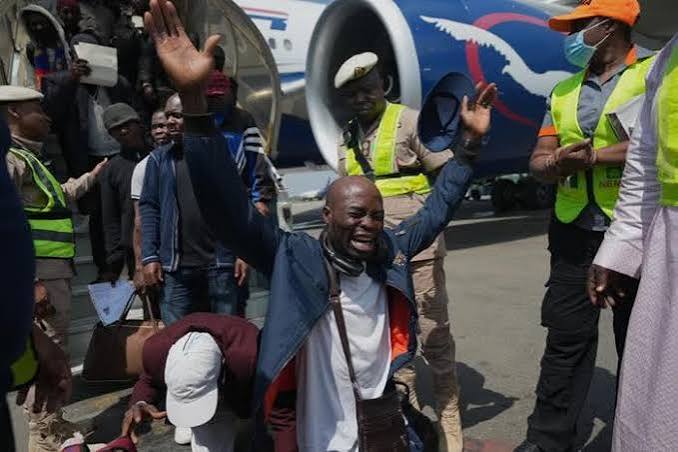
Recent xenophobic attacks in South Africa have triggered heightened diplomatic tensions with Nigeria, leading to coordinated efforts for the evacuation and repatriation of Nigerian citizens.
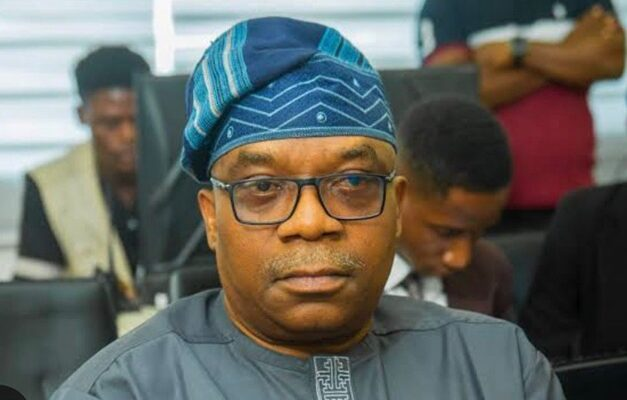
Nigeria's Minister of State for Foreign Affairs, Ambassador Sola Enikanolaiye, emphasized the nation's commitment to resolving the issues through diplomacy rather than confrontation, asserting that existing bilateral systems remain active.
"We do not want to make this a full-blown diplomatic crisis between these two brotherly nations," Enikanolaiye stated, highlighting reliance on established diplomatic channels to protect Nigerian nationals.
Ambassador Enikanolaiye affirmed that the evacuation of Nigerians, approved at the highest level, is currently underway and expected to continue for several weeks. He expressed Nigeria's dissatisfaction with how South African authorities have handled the situation, stressing that the primary responsibility for the protection of all individuals within a country, regardless of immigration status, rests with the state.
He also refuted claims that Nigerians constitute the largest migrant group in South Africa, clarifying that larger numbers come from the sub-region. Furthermore, he cautioned against blaming foreigners for South Africa's economic challenges, stating that expelling non-South Africans would not solve issues like poverty and unemployment.
While acknowledging Nigeria possesses policy options, he affirmed that any response would remain measured within diplomatic practice, emphasizing the importance of continued partnership between the two African nations.
In parallel, the South African Department of Home Affairs announced the commencement of repatriation for 586 Nigerian nationals residing illegally in the country, with a first batch of 268 individuals deported.
These individuals were issued Emergency Travel Documents by the Nigerian High Commission and declared 'undesirable persons,' consequently barred from re-entering South Africa for five years.
Minister of Home Affairs, Leon Schreiber, underscored the government's commitment to enforcing immigration laws, noting a 46% increase in deportations and repatriations over the past two years.
Schreiber also highlighted ongoing reforms in border management and identity verification, urging the public against vigilante violence toward foreign nationals.
While Nigerian sources reported 258 evacuees in the first batch returning to Nigeria via chartered flights, South African authorities specified 268 deportees in their initial exercise, indicating different facets of the movement.
The returnees shared harrowing accounts of their experiences in South Africa. Emilia Godwin, one of the 258 Nigerians who arrived in Lagos, vehemently vowed never to return, describing South Africans as "wicked" and accusing them of lacking love for Nigerians.
She recounted instances of beatings, verbal abuse, and alleged that South African women targeted Nigerian men for their properties, claiming her husband was killed under such circumstances.
Another returnee, Milly Abuh, a teacher who lived in South Africa for 22 years, detailed persistent discrimination against her and her children, even from teachers who allegedly influenced anti-Nigerian sentiment.
Ms. Abuh also reported losing her spa business due to permit issues and noted that other returnees lost properties and livelihoods after years of awaiting residence permit approvals despite paying required fees.
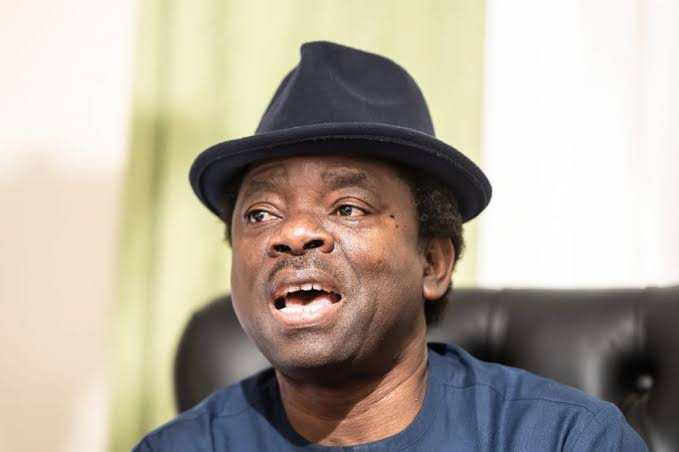
Nigeria's Acting High Commissioner to South Africa, Alexander Ajayi, described the returnees' ordeal as traumatic but expressed relief for their safe return. He commended President Bola Tinubu for personally orchestrating the initiative, including establishing a direct communication channel and a crisis monitoring unit to track developments across South Africa.
Ajayi highlighted that President Tinubu had directed the evacuation of willing Nigerians as early as April. He also reiterated Nigeria's commitment to diplomatic engagement to prevent future attacks and strengthen institutional mechanisms like the Nigeria-South Africa Binational Commission and an Early Warning Mechanism.
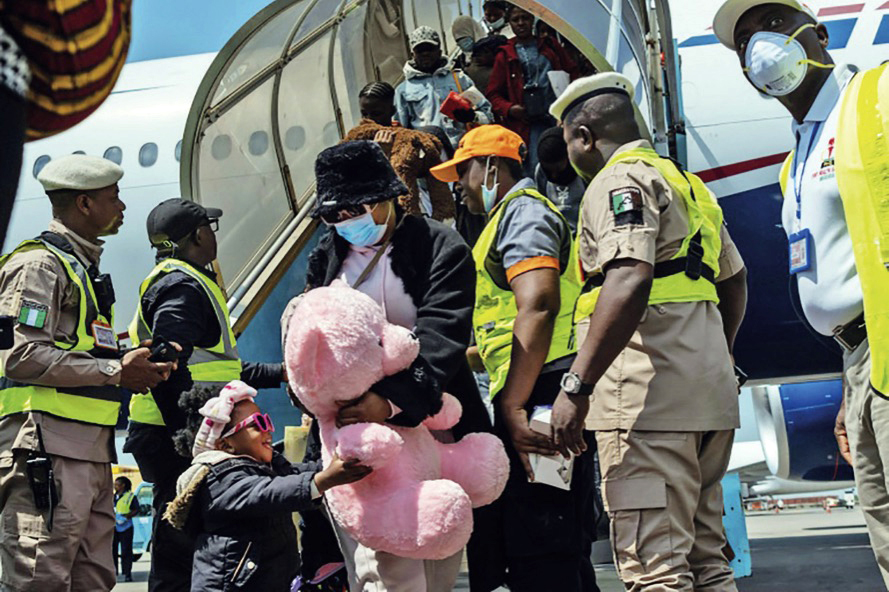
Upon their arrival at the Murtala Muhammed International Airport in Lagos, the returnees received immediate support. Abike Dabiri-Erewa, Chairman/Chief Executive Officer of the Nigerians in Diaspora Commission (NIDCOM), confirmed that none of the 258 evacuated Nigerians had committed any crime beyond being "black immigrants."
NIDCOM, in collaboration with MTN, provided each returnee with N100,000 in cash and N50,000 worth of airtime, along with starter packs and phones.

Furthermore, Governor Hope Uzodimma of Imo State approved a significant N1 million cash grant for each Imo indigene among the returnees, a gesture praised by beneficiaries like Chidebeze Okechukwu, who hoped it would help him restart his life.
The Minister of State for Foreign Affairs, Ambassador Sola Enikanolaiye, assured returnees of government support for reintegration, emphasizing President Tinubu's commitment to creating opportunities at home and ensuring Nigerians travel abroad by choice. He also confirmed that the Federal Government fully paid Air Peace for the evacuation flights.
The current crisis is not isolated, reviving memories of deadly xenophobic attacks in 2008, 2015 and 2019.
This latest wave of violence, which erupted in April following videos of assaults on Black foreign nationals, prompted several African nations, including Ghana, Kenya, Malawi, Zimbabwe, and Mozambique, to issue travel advisories and initiate evacuation programs.
Although South African President Cyril Ramaphosa has condemned the attacks, Nigerian authorities continue to express concern and pledge intensified diplomatic engagement to ensure better protection for Nigerians residing in South Africa, while also urging citizens abroad to adhere to local laws.