Xania Monet: Is the AI Artist the Future of Music or a Threat to Human Creativity?
Xania Monet is an AI-generated musical artist with lyrics by Telisha “Nikki” Jones. But is her music the future—or a threat to human artists? This AI might reshape connection, creativity, and the music business.

When Machines Sing: The Story Behind Xania Monet
Imagine a new song emerges overnight. The voice sounds soulful, the lyrics intimate, the melody stirring , yet there is no human singer behind it. That’s the face of Xania Monet, a musical artist generated by artificial intelligence, but powered by human heart.

Behind the digital veil is Telisha “Nikki” Jones, a poet and designer from Mississippi. She writes the lyrics and shapes the creative concept. Then, using AI music tools, she transforms her words into full songs credited to Xania Monet. The result: a hybrid artist that blurs human depth and synthetic production.
Xania’s single “How Was I Supposed to Know” has already charted and garnered millions of streams. Despite backlash from several established artists who question the ethics of AI music, labels offered her a multi-million dollar record deal. The debate is now live: Is this the dawn of AI domination in music or the beginning of a new, balanced human-machine collaboration?
The Promise: Scalability, Novelty, and Unlimited Creativity
With the advent of AI artist like Xania Monet, what would be the advantages that real artists would have or would there be a situation that real artists might not match the speed.
Production Without Fatigue
AI doesn’t sleep, get burned out, or demand rest. It can churn out tracks, mixtures, remixes endlessly. For labels and studios, that means near-zero downtime and infinite variability.Global Language of Sound
By training AI on musical patterns from around the world, such artists can fuse styles — Afrobeats, jazz, classical, trap — in ways a single human may struggle with. This raises the potential for boundaryless soundscapes.Cost Efficiency
No studio time, no vocal lessons, no touring costs. Once the AI infrastructure exists, marginal costs are low. For some producers or small labels, an AI artist could be more viable than supporting a human talent pipeline.Rapid Experimentation
Artists can test many ideas quickly: “What if the chorus had a 70s soul vibe? Add strings. Try a rap bar.” AI makes prototyping new tracks almost instantaneous.
These advantages make AI musicians alluring from a business and innovation standpoint. But the heart of music isn’t just production — it’s connection. And that’s where the tension lies.
The Human Cost: Emotion, Authenticity & Jobs
Can AI replicate human emotion?
Many would argue that music is more than sound, it’s a whole mix of emotion. When a person sings, they carry years of memory, heartbreak, growth, and vulnerability. Can a machine ever replicate that?
Sophisticated AI models sample and remix human expression. They don’t “feel” but simulate emotion by pattern. For many listeners, that difference is crucial. A synthetic voice may be technically perfect, but some listeners will always crave vibrato, breath, imperfection.
Will human artists become irrelevant?
That’s the fear. In fields like journalism, design, coding, AI already automates many tasks. Music may be next. If a label can release dozens of AI hits without paying a singer or touring, the economic incentives could tilt heavily in favor of machines.
Musicians and vocalists may become “vocal content creators” or performers, not the core creators. Some may adapt — collaborating with AI, becoming curators, coaches, or emotional interpreters of AI-generated pieces. But many could be displaced.
Ethical Questions & Creative Ownership
If AI is trained on copyrighted music, at what point does new music infringe old rights?
Who owns the AI-generated track, the human who prompts, the algorithm’s creator, or the label?
Is this fair to human-originated art? If AI copies styles, are we eroding the value of originality?
Balanced Futures: Collaboration Over Replacement

The potential growth of Ai artist and xania Monet’s existence doesn’t have to doom human artists to irrelevance. Instead, it may be a bridge to new hybrid models:
AI + Human Duets: Softening the boundary, AI voices combining with human vocalists.
Prompt Artists: People who specialize in guiding AI with emotional prompts, themes, or poetic direction.
Emotional Editors: Humans interpret AI drafts and inject heart, retooling mechanics into stories.
Performance Artists: Even if AI recorded songs, humans still perform, interpret, and connect live in ways machines can’t.
If the shift is collaborative not competitive the industry may evolve rather than collapse.
The Road Ahead: Will Fans Accept It?
Whether the roll out of AI artists will succeed or not depends less on tech and more on culture and acceptance.
Fans may swim in curiosity, as the novelty factor is powerful. Critics will test every lyric for emotional truth or mechanical blandness. Over time, the public will differentiate: which tracks stir hearts, which feel hollow.
We might see subcultures that demand “100% human voice” as a premium mark. Certifications for human-authentic music may emerge — “Verified Human Recording” badges, or regulations requiring transparency when art is AI-generated.
Labels may need to disclose AI content. Online platforms might filter or flag AI tracks. If the audience demands authenticity, artists (human or AI) must earn it.
Conclusion: Xania Monet as a Mirror
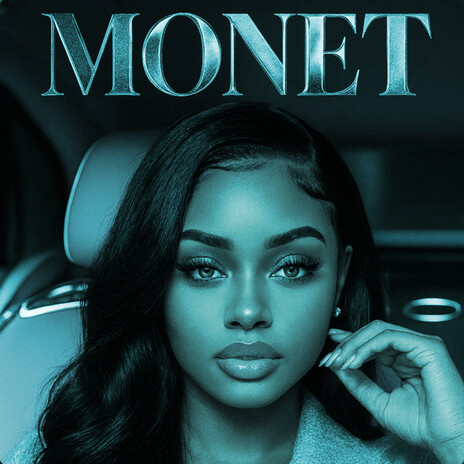
Xania Monet is neither utopia nor dystopia, it is a mirror, reflecting hopes, anxieties, and the tensions in an industry built on human soul.
If music is a bridge of feeling between souls, AI is now trying to cross it. Whether we welcome it or resist it, the future demands we find balance not between machines and humans, but between innovation and meaning.
The question is not just “Will AI replace us?” but “Will we lose what it means to be human in music?”