Why Hustle Culture Kills Career Growth in Africa
Is your future really safe with hustle?
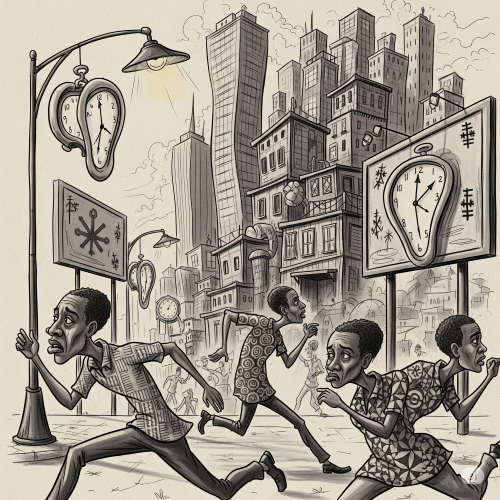
“Jack of all trades, master of none.” This old saying warns of the danger in trying to do everything — and excelling at nothing. In many parts of Africa today, it perfectly captures the reality of hustle culture. Young people juggle multiple jobs, chase freelance gigs, and run side businesses in every spare moment. On the surface, this may look like ambition and drive. But beneath it lies a pattern that often undermines long-term success.
What appears to be resourcefulness can actually lead to fragmentation — a life of constant movement but little forward progress. In reality, hustle culture traps people in cycles that make it difficult, and sometimes impossible, to build a stable, upward-moving career.
Time Is the Missing Ingredient in Career Growth

Image Credit: Unsplash
A meaningful career is not built overnight. It takes years of focused effort, learning, mentorship, and experience in a single field to move from beginner to expert. But hustle culture constantly interrupts that process. Instead of climbing steadily in one direction, many professionals find themselves moving sideways, from gig to gig and hustle to hustle, with no clear path forward.
Someone might start out with a job in accounting, for example, but end up spending evenings running a food delivery service and weekends selling clothes online. The hours that should be used to develop core skills, deepen industry knowledge, and build strategic networks are instead consumed by unrelated gigs. Over time, this results in career stagnation, even when the person is working harder than ever.
The Lure of Fast Money Derails Long-Term Planning

Image credit: Unsplash
The temptation of quick money is one of the strongest forces driving hustle culture. A formal entry-level job in someone’s field of study — say, journalism, architecture, or engineering — might pay the equivalent of $100 to $150 per month. Meanwhile, operating a boda-boda (motorcycle taxi), selling phone accessories, or doing online affiliate marketing could bring in $300 or more monthly.
This creates a painful choice. Do you commit to the slow path of professional development, or take the higher-paying gig that has nothing to do with your long-term goals? For many, especially those facing immediate family pressure or living in poverty, the answer is clear. Immediate income wins, even if it means pushing aside their original career plans.
In the short term, fast money solves real problems such as rent, food, and school fees. But in the long run, it becomes a trap. People spend years doing unrelated work that doesn’t build toward anything sustainable. By the time they want to return to their field, they may lack the experience, credentials, or networks to compete.
Hustle Culture Sacrifices Depth for Breadth
In any profession, growth requires consistency and depth. Becoming a doctor, lawyer, software developer, or even a skilled tradesperson involves building layer upon layer of expertise. But hustle culture demands constant switching between unrelated tasks. That kind of mental fragmentation prevents deep learning, limits creative problem-solving, and blocks the accumulation of specialized knowledge.
Professionals caught in hustle culture often report feeling stuck. They are constantly busy, often exhausted, and yet making no visible progress in their chosen careers. This isn't due to a lack of drive. It’s the direct result of a lifestyle that prioritizes short-term survival over long-term development.
Burnout Reduces Long-Term Productivity


Image Credit: Unsplash
The relentless pace of hustling takes a toll on the body and mind. Burnout is not just occasional tiredness. It is chronic exhaustion, emotional fatigue, and a loss of motivation, often accompanied byanxiety and depression. According to global research, burnout can reduce productivity by up to 30 percent and significantly impact decision-making and creativity.
In African contexts, where mental health is still underfunded and widely misunderstood, many people suffer in silence. They keep hustling while their performance and well-being quietly deteriorate. Burnout doesn’t just affect today; it affects future career readiness. A burned-out professional is unlikely to pursue promotions, take on leadership roles, or innovate meaningfully.
Survival Work Does Not Always Build Careers
Many young Africans describe themselves as entrepreneurs, but research shows that most youth-led businesses on the continent arenecessity-driven rather than opportunity-driven. These are not startups born out of passion or innovation, but rather last-resort solutions to unemployment and underemployment.
While there is nothing wrong with survival work, it does not often lead to long-term career growth. Jobs like reselling clothes, driving taxis, or doing temporary online gigs may pay the bills, but they rarely come with mentorship, structured learning, or room for advancement. This creates a disconnect between work experience and career progress.
After five years of hustling, someone might have income stability but still be far from establishing themselves professionally. Worse, they may have missed the critical early years when most people build the foundation of their careers.
The Illusion of Progress
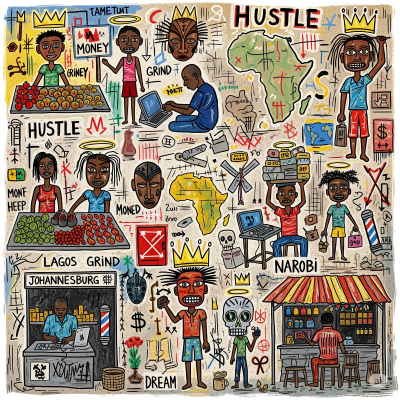
Hustle culture creates an illusion of forward motion. People feel accomplished because they are always busy and always earning something. But when years pass with no promotions, no specialization, and no career clarity, the cost becomes visible. Activity is not the same as advancement, and hustle culture too often confuses the two.
In many competitive fields, employers look for a steady record of growth, commitment to a profession, and increasing levels of responsibility. A resume filled with side gigs, unrelated hustles, and career gaps may not demonstrate that, even if the person behind it is talented and hardworking.
Conclusion: Choosing Growth Over Grind
Hustle culture is often born from necessity, but it cannot be the long-term answer for Africa’s career-driven youth. It steals time, limits focus, encourages burnout, and derails professional development. The promise of fast money, while tempting and sometimes unavoidable, often comes at the cost of future stability and fulfillment.
True career growth requires patience, structure, and space to learn. It demands time — time to fail, to reflect, and to improve. And this kind of time is exactly what hustle culture takes away.
If we want young Africans to thrive in the careers they’ve trained for and dreamed of, we must stop romanticizing the hustle and start investing in the slower, more focused paths that lead to mastery. Because in the end, it’s not about working harder. It’s about working smarter and staying on a single path long enough to go somewhere meaningful.