Why Are Only Dead People Featured on Currencies?
One man's vanity in 1866 created a rule that now governs the world's most powerful economies. But the deeper reason only dead faces appear on money has nothing to do with respect and everything to do with control.
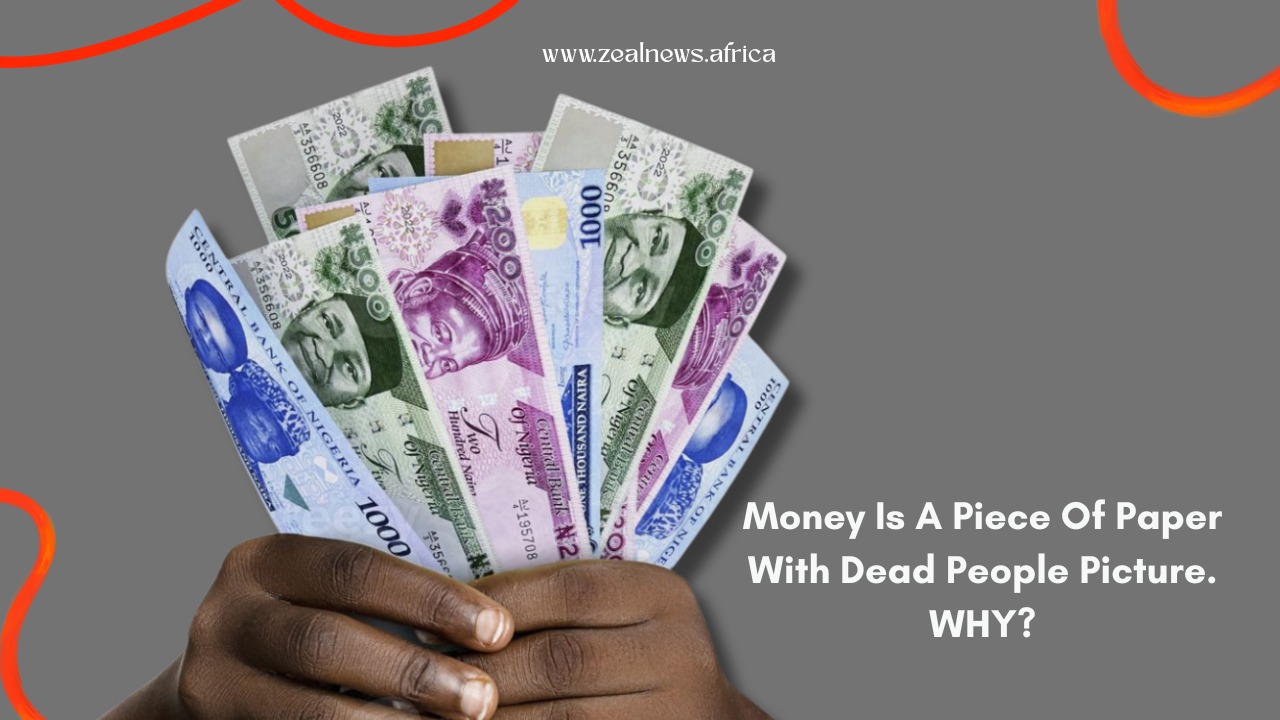
You have handled thousands of notes in your lifetime. Naira. Cedis. Dollars if you are lucky. And on every single one, someone is staring back at you; serious face, no smile, definitely not breathing.
Have you ever stopped to wonder why?
Not one currency note in circulation today features a living person. Not a sitting president, not a reigning billionaire, not even the most celebrated athlete on the planet.
The faces on money belong exclusively to the dead. And that is not a coincidence. It is a system, built on ego, colonial fear, and a very deliberate kind of power.
The Civil War Bureaucrat Who Started It All
In the 1860s, America was barely recovering from a brutal civil war, and that created a massive metal shortage. The lack of metal made it almost impossible for the U.S Treasury to mint coins.
So the government began to issue fractional currencies, which are paper money with the same value as the coins that the treasury could no longer afford to mint.
As those fractional currency notes didn’t exist yet, the Bureau needed to create brand new designs. But it wasn’t clear whose job it was to approve any such designs, or if the Bureau had any guidance given to them about who, if anyone, should be depicted on these notes.
Without such clear direction, the matter fell to Spencer M. Clark, the Superintendent of the National Currency Bureau, basically, a middle manager working in the Bureau of Engraving and Printing. And he decides, with absolutely no shame, to put his own face on a 5-cent note.
Not a president. Not a war hero. Himself.
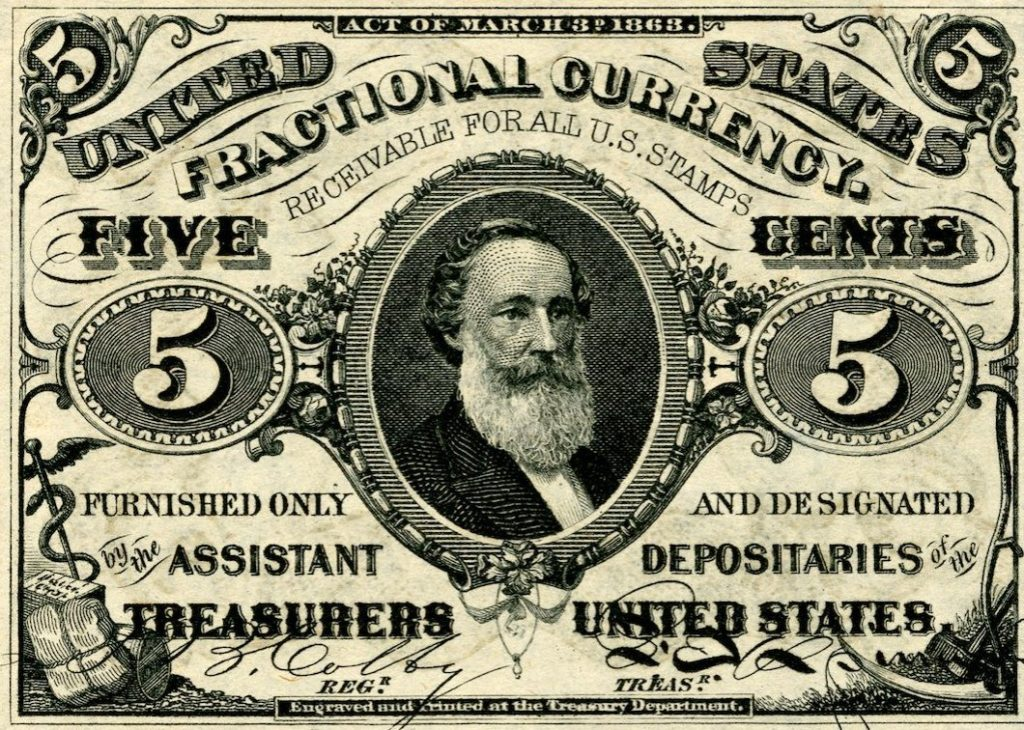
Congress lost its mind. A representative named Martin Thayer was so furious, he drafted a law on the spot, banning any living person from ever appearing on American currency again. That law was passed in April 1866 and has never been reversed.
One man's vanity created a rule that now governs the most powerful economy on earth.
But America's embarrassment is only one small part of the story. Because long before Spencer Clark was printing his own face on money, African kingdoms, Roman emperors, and European monarchs already understood something fundamental: the face on a coin is not decoration. It is domination.
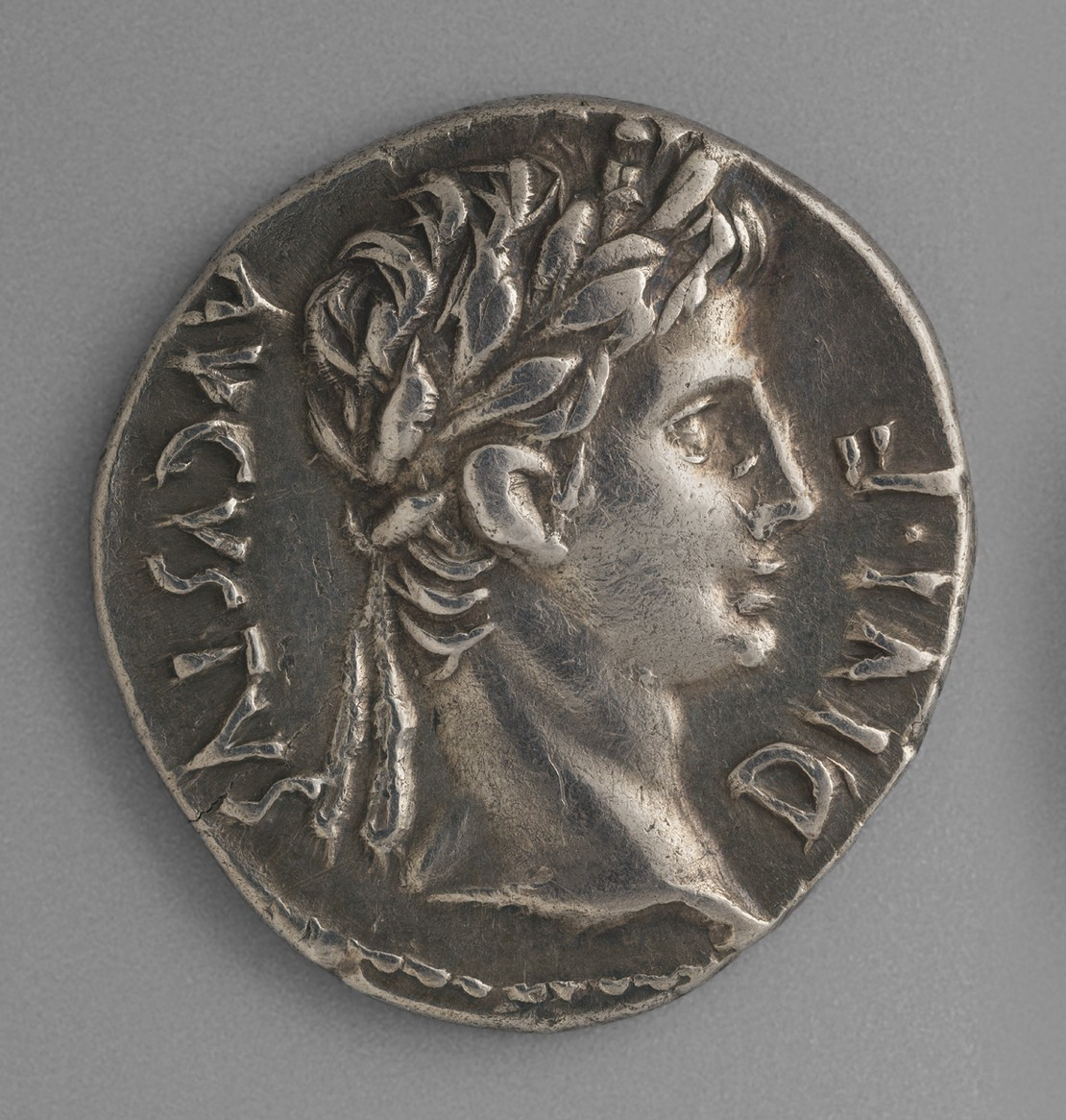
Across history, currency has doubled as a tool of political messaging, embedding authority into everyday exchange. Julius Caesar’s decision in 44 BCE to place his face on Roman coins set the precedent, allowing rulers to project power across vast populations.
This practice spread from Roman emperors, beginning with Julius Caesar who was the first to put his face on a coin in order to signify his absolute power.
Social Insight
Navigate the Rhythms of African Communities
Bold Conversations. Real Impact. True Narratives.
It also includes African-born Septimius Severus, to North African kingdoms like Numidia and later European monarchs, all of whom used coin portraits to assert legitimacy and mark transitions of power.
In a world without mass media, these images reinforced loyalty and ensured that even the most distant subjects knew who ruled them.
Dead Faces Cannot Fight Back
The real reason governments prefer dead people on their currencies is actually quite understandable.
A living face is a risk. Today's hero is tomorrow's scandal. A president whose face is on the 500-naira note could be indicted next year. A celebrated general could defect. A beloved musician could say the wrong thing on a Tuesday afternoon and divide the entire country.
But a dead person? Their story is sealed. You can shape it, curate it, and make it mean whatever the government needs it to mean.

This is why Nelson Mandela's face appears on every single denomination of the South African rand.
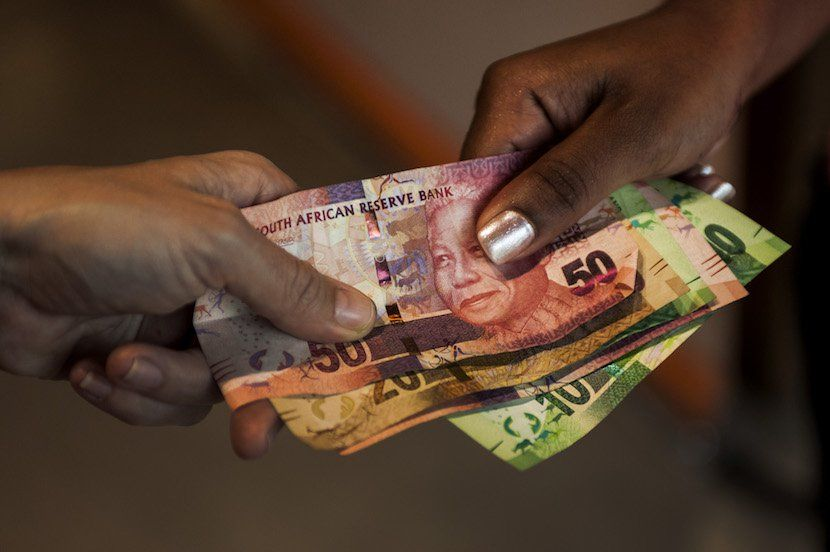
Not just because he was great, but because his story, frozen at the right moment, holds a post-apartheid nation together without him needing to say another word. The dead are easier to manage than the living. And money needs stability more than it needs truth.
Your Naira Is a Political Statement
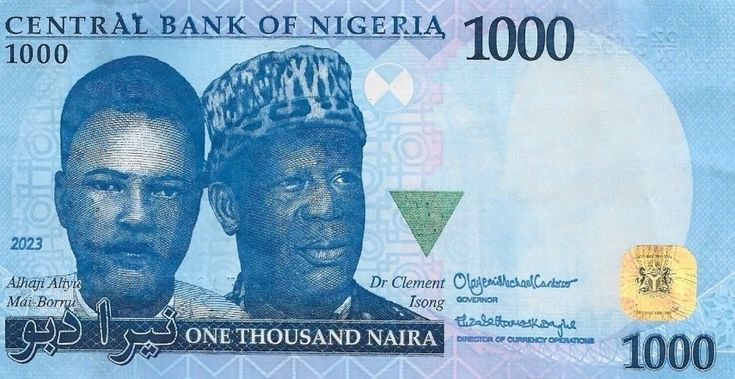
Look at the faces on Nigerian currency. Alvan Ikoku, Murtala Muhammed, Nnamdi Azikiwe. These are not random choices pulled from a hat.
Every face on every note is an argument. An argument about which version of history your government wants you to carry in your pocket every day. About whose sacrifice counts.
Whose legacy gets to outlive them in the most literal way possible, printed on paper, exchanged millions of times daily, touched by hands that may not even know the person's name.
This is why currency redesigns always cause drama. When the United States tried to replace Andrew Jackson's face on the $20 bill with Harriet Tubman, a Black woman who escaped slavery and freed hundreds of others, it became a decade-long political war. The argument was never really about design. It was about whose death is considered important enough to be remembered.
Across Africa, postcolonial governments have fought the same battle quietly. Some nations kept colonial-era faces on their notes long after independence, not out of admiration, but because building new consensus around new heroes takes time, money, and political courage most governments do not have.
The Rule Has Always Had Exceptions, For the Powerful
Now here is where it gets interesting.
The "only dead people" rule was never actually universal. It was always flexible for the right people.
Social Insight
Navigate the Rhythms of African Communities
Bold Conversations. Real Impact. True Narratives.
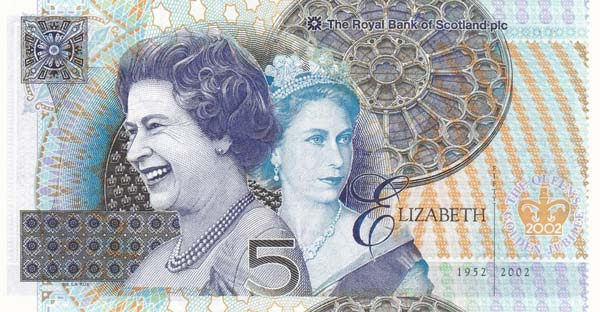
Queen Elizabeth II appeared on the currency of over 35 countries while she was very much alive, a Guinness World Record. Not because the rules did not exist, but because monarchies write their own rules.
In 1926, sitting US President Calvin Coolidge appeared on a commemorative coin celebrating America's 150th birthday, because Congress decided his contribution was exceptional enough to bend the law.
And in 2025, Donald Trump proposed putting his own face on American coins, the first sitting president to attempt this since Coolidge. The conversation is still ongoing.
The pattern is clear: the rule applies to ordinary people. Power has always found a workaround.
This is not unique to America. Across authoritarian governments in history, living leaders appeared on money as a tool of control. When your face is on every note in circulation, you are not just a leader, you are the economy itself. You become impossible to separate from the nation's survival.
So What Does It All Mean?
The next time you pull out a note, look at the face properly.
That person was chosen by a government, in a political room, for political reasons. Their image was approved, engraved, and mass-produced to tell you a specific story about your country; who built it, who matters, and who deserves to be remembered.
Money is never just money. It is the most democratic museum ever built, because everyone, rich or poor, gets to carry a piece of it. The question is who controls the curation.
And the answer, always, is the living.