“Who Left the Gate Open?” Nigeria's Diffusion of Responsibility
Nigeria's security crisis is bigger than the criminals who pull the trigger. From illegal mining to communities losing faith in formal protection, what happens when everyone assumes someone else will close the gate?
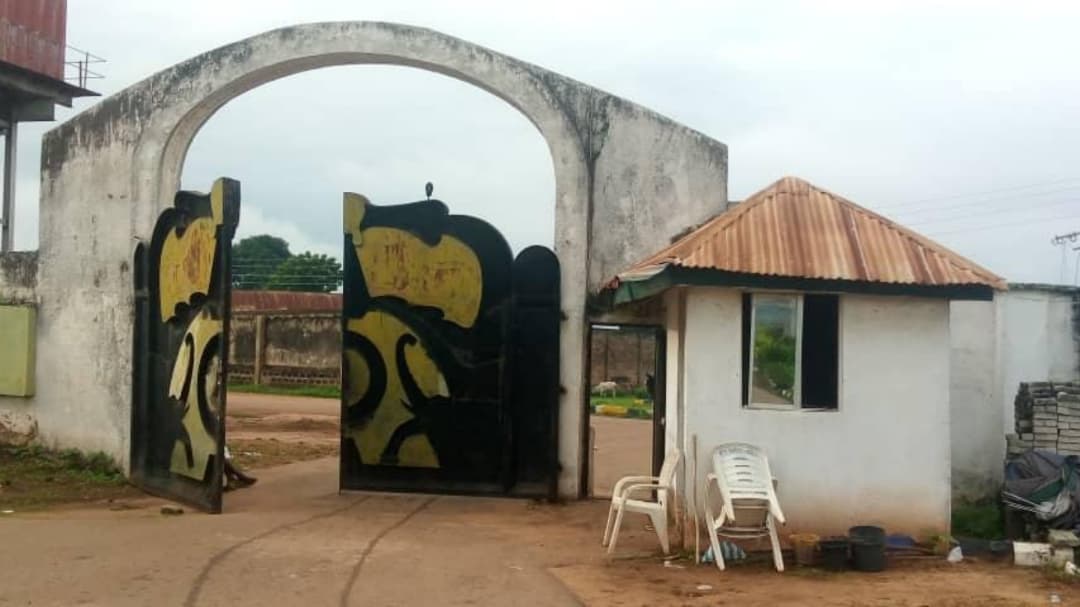
There is something about Nigerian compounds that has always interested me.
Several families can live behind the same gate, with people coming and going throughout the day, yet nobody is quite sure who is responsible for locking it.
Now, the first tenant assumes the second will do it, the second thinks the third person coming in will remember. The landlord assumes everyone knows the rules and so, in the end, no one locks the gate .
Then boom!, something goes missing in the compound and everyone gathers and begins to question one another.
Who came in last? Who was around? Who was supposed to lock the gate?
Diffusion of Responsibility
There is a concept in social psychology called diffusion of responsibility.
It describes what happens when responsibility is shared among several people and each person assumes someone else will act.
I wonder if something similar happens in the way we think about security in Nigeria.
When a community is attacked, people are kidnapped or armed groups take control of an area, our attention naturally turns to the police, military and government.
Where were they? Was there intelligence? Why was nothing done?
These are legitimate questions. The government has the primary responsibility to protect lives and property.
But Nigeria’s security problem does not begin only when criminals pull the trigger. It also grows through the economic networks, institutional failures and everyday silences that allow armed groups to survive.
When Gold Becomes Part of the Security Problem
Consider Zamfara.
On September 23, 2023, Governor Dauda Lawal's administration banned illegal mining in the state, describing it as one of the driving forces behind banditry.
On January 18, 2024, the government went further, prohibiting traditional rulers from issuing consent letters for mining across the state's 14 local government areas and linking mining activities to the worsening security situation.
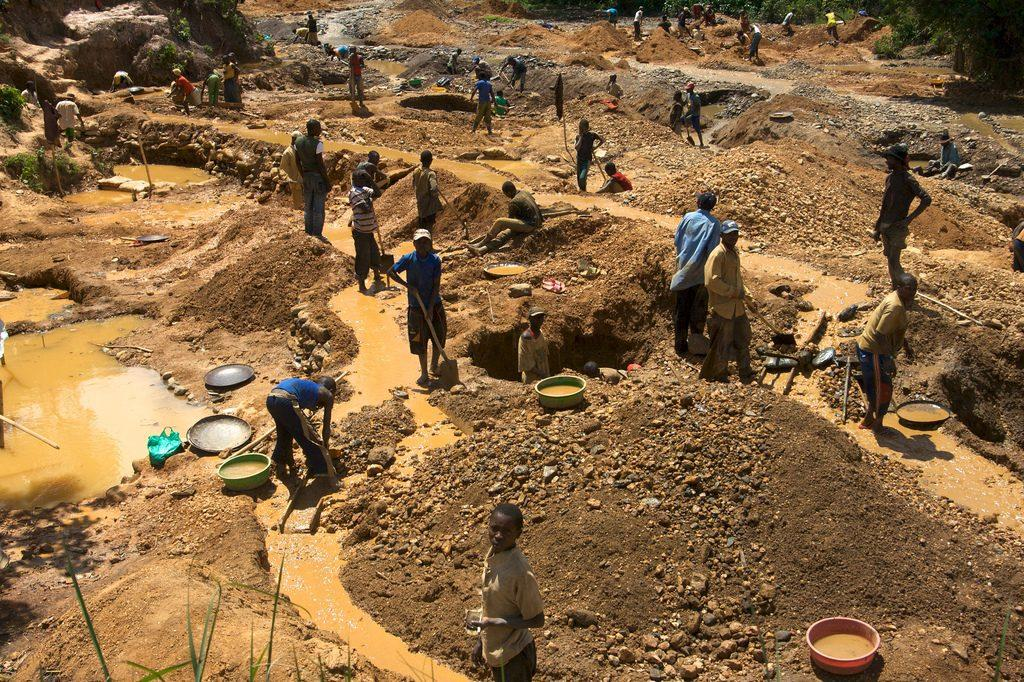
Gold is valuable, And Criminal groups need money
Where valuable minerals are being extracted in areas already affected by insecurity, the two economies can begin to intersect.
The answer is not as simple as blaming everyone involved.

An artisanal miner trying to feed a family is not the same as someone financing criminal activity. A person working under the threat of an armed group is not in the same position as someone who willingly supports one.
A poor community trapped inside an illicit economy cannot be treated in the same way as those who profit most from it.
Still, someone digs the ground, someone buys the gold, someone transports it, someone finds a market for it.
And somewhere along that chain, there are supposed to be institutions responsible for regulation and enforcement.
A criminal group may be the most visible part of a security problem, but the conditions that allow it to survive can involve many other people and institutions.
Security Is Everybody's Business, But Not Everybody's Equal Responsibility
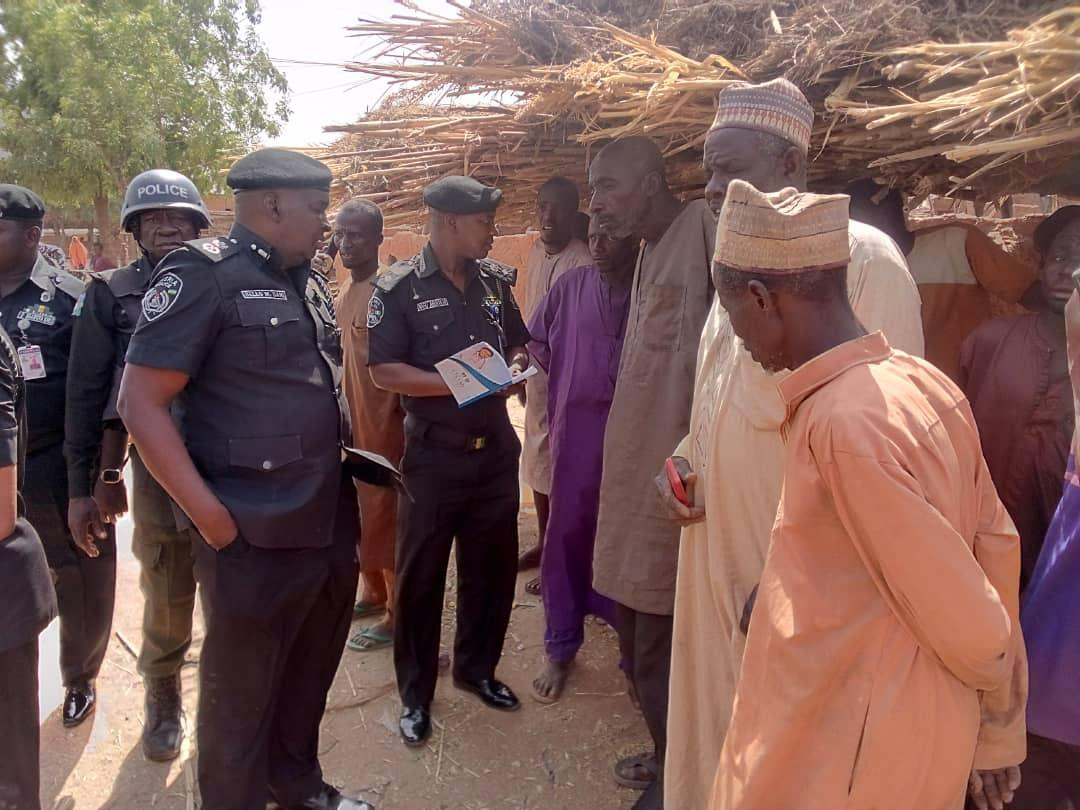
National Security Adviser Nuhu Ribaduhas argued that lasting peace cannot be achieved by security agencies alone. Local communities must also be involved because they often see what the state cannot see from a distance.
But we must be careful with the familiar phrase that security is everybody’s business.
Security may be everybody’s business, but it is not everybody’s equal responsibility.
The government has a duty that an ordinary citizen does not. Security agencies possess authority, intelligence systems, weapons and public resources that a frightened villager does not.
Picture the compound again, but this time there is a security guard at the gate.
Watching who enters and leaves is his job. If something goes missing, the first questions are rightly directed at him.
But suppose a tenant lets someone in through the back without telling the guard, or a stranger loiters outside for days, and a tenant notices but says nothing because it feels like someone else’s problem.
The guard remains primarily responsible, but he still needs the people inside the compound to report what they see.
Expecting people to provide information, however, is not enough. The system must make reporting safe and worthwhile.
If informants are exposed or repeated warnings produce no response, communities eventually stop believing that reporting matters. Silence in such circumstances is not always indifference. Sometimes, it is fear produced by experience.
When People Stop Waiting for Protection
When people stop expecting formal protection, they begin looking for alternatives.
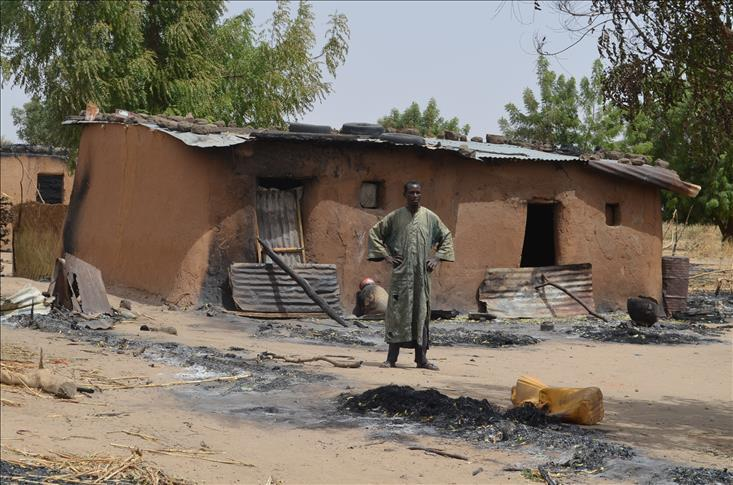
In parts of northern Nigeria, some communities have entered informal arrangements with armed groups in the hope of reducing attacks. It is easy to condemn such arrangements from a distance, but harder to imagine what it means to live in a place where an armed group can reach you faster than the state can.
Such arrangements are neither safe nor sustainable. They can strengthen the influence of criminal groups, but they also reveal something uncomfortable about how security systems fail: people do not stop believing in the state all at once.
They lose confidence gradually, until survival begins to demand arrangements that would once have seemed unthinkable.
Who Left the Gate Open?
Perhaps that is the real lesson in the compound.
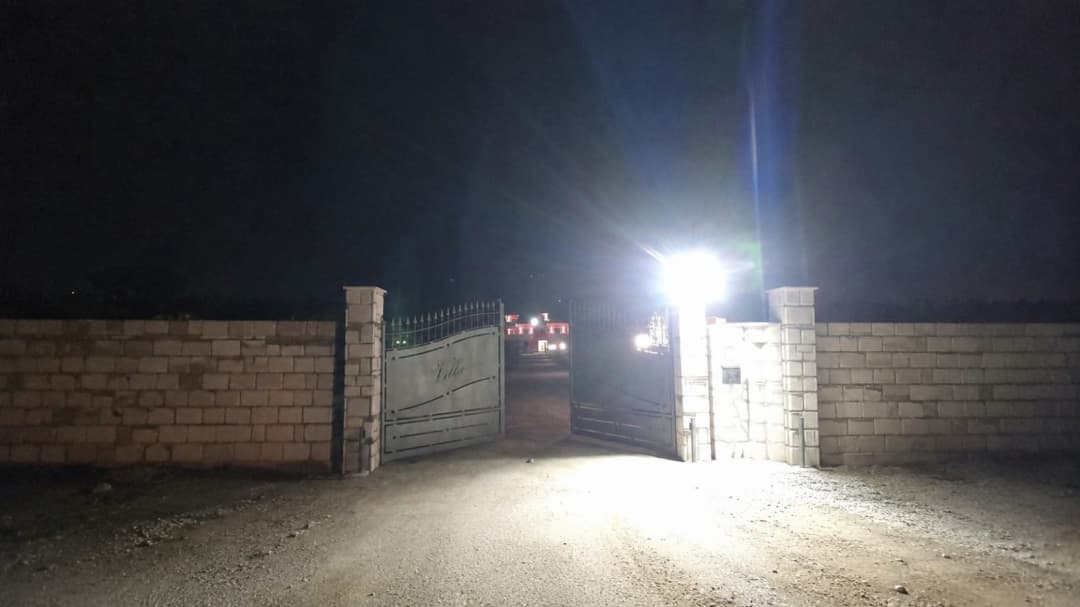
The tenant who sees an armed stranger and is too frightened to confront him is not the same as the person who invited him inside. Neither carries the same responsibility as the guard who abandoned his post or the landlord who refused to repair the gate.
Citizens and communities should report suspicious activity through safe channels. Businesses and traditional leaders must not knowingly support illegal economies.
But the greatest responsibility remains with the government.
Security agencies must protect informants and act on credible intelligence. Regulators must investigate the financial networks sustaining armed groups. Where illegal mining supports criminal economies, authorities must move beyond public bans and confront those who finance and profit from it.
The gate was not left open by one person.
Some failed to act, some were afraid to act, some lacked the power to act and others benefited from leaving it open.
But those failures are not equal.
Nigeria cannot secure itself when everybody assumes somebody else will take responsibility or when those with the greatest authority ask those with the least power to carry the heaviest burden.