Who Is Oyinkansola Badejo-Okusanya, The Woman Set To Lead The NBA As Its Second Female President Since 1991?
Oyinkansola Badejo-Okusanya has been elected the 33rd President of the Nigerian Bar Association, becoming only the second woman to lead the body since 1933 and the first in 34 years. Here's her journey from the courtroom and justice sector reforms to the NBA's highest office.
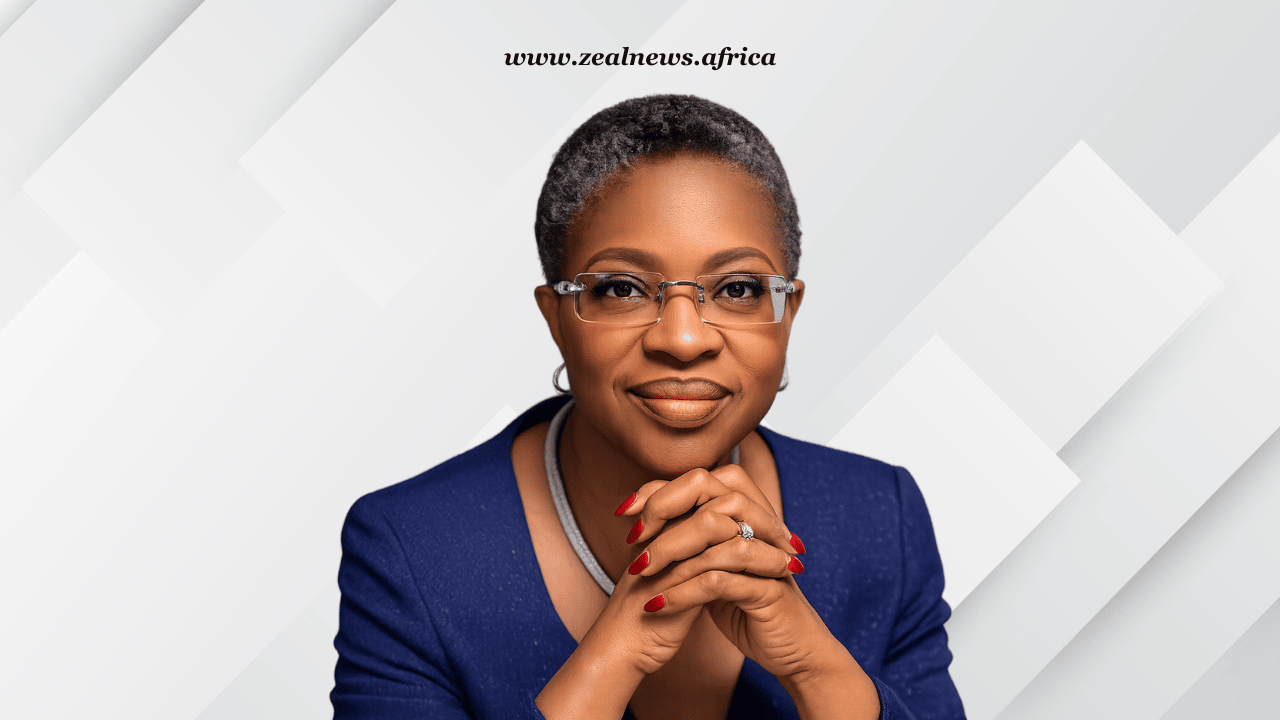
The Nigerian Bar Association has elected Oyinkansola Badejo-Okusanya as its 33rd president, making her only the second woman to lead the body since its founding in 1933 and the first in 34 years, following Priscilla Kuye's historic tenure between 1991 and 1992.
Badejo-Okusanya, a Senior Advocate of Nigeria (SAN), polled 12,317 votes to defeat fellow senior lawyers Lateef Akangbe and Olumuyiwa Akinboro in an electronic election that drew 26,106 ballots from lawyers across all 36 states and the Federal Capital Territory.
She takes over an association whose membership runs into the tens of thousands and whose decisions on legal practice, regulation, and professional discipline touch nearly every courtroom in the country.
Her win did not arrive out of nowhere. Badejo-Okusanya has spent more than two decades building the kind of legal record that makes a presidency look less like a breakthrough and more like an arrival.
A Foundation Built In Courtrooms And Government Corridors
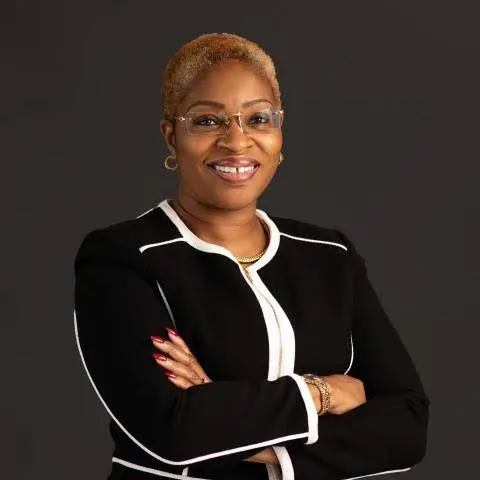
Badejo-Okusanya earned a first degree in English from the University of Lagos before returning to the same institution to study Law.
She was called to the Nigerian Bar in 2002 and began her career at Olaniwun Ajayi LP, a commercial law firm where she built early experience in litigation and dispute work.
That courtroom grounding did not stay confined to private practice for long. In 2007, she was appointed Senior Special Assistant on Justice Sector Reform to then Lagos State Governor Babatunde Fashola, working inside the office of Attorney-General Olasupo Shasore on reforms to the state's justice system.
Sitting inside government during a period of active legal reform gave Badejo-Okusanya a working understanding of how policy and courtroom practice intersect, an understanding few lawyers get the chance to build before returning to private practice.
A Firm She Helped Build From The Ground Up
Badejo-Okusanya did not simply join her next firm. In 2017, she became a founding partner of Africa Law Practice NG & Company, now known as ALP NG & Co., where she serves as Co-Head of the Litigation and Dispute Resolution Practice.
Under her watch, the firm grew into one of Nigeria's leading commercial law practices, with affiliations reaching across the continent.
She built a specialty in domestic and international commercial arbitration, representing private clients, corporations, and government institutions before trial and appellate courts.
Helping build a firm from its founding rather than joining an established one carries a different kind of weight than climbing an existing ladder, and it is the kind of record that tends to follow a lawyer into leadership conversations later.
Two Decades Of Practice Culminating In Silk
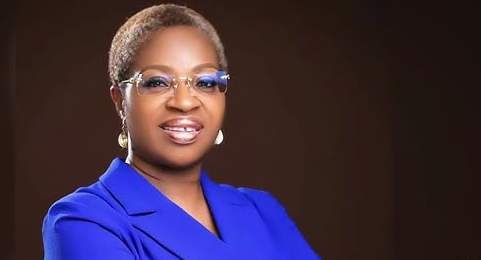
That record culminated on 29 September 2025, when Badejo-Okusanya was conferred with the rank of Senior Advocate of Nigeria, the highest honour available to a Nigerian lawyer and the equivalent of King's Counsel in other common law jurisdictions.
By then, she had already built a reputation well beyond Nigeria's borders. She is a Fellow of the Chartered Institute of Arbitrators in the United Kingdom, an accredited mediator, and a board member of the Lagos Court of Arbitration.
Her membership list includes the International Bar Association, the International Council for Commercial Arbitration, ArbitralWomen, and the Commonwealth Lawyers Association.
Few lawyers arrive at a bar association presidency with that combination of courtroom record, government reform experience, and international arbitration credibility already sitting behind their name.
What Badejo-Okusanya Inherits After 34 Years
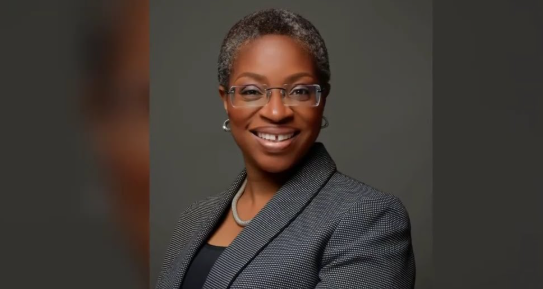
From her swearing-in, Badejo-Okusanya takes charge of a two-year term running through 2028, succeeding outgoing president Afam Osigwe at a moment when the association is still processing an election delayed by technical failures and an attempted cyberattack on its voting system.
That scale of disruption did not exist when Priscilla Kuye first broke the barrier by becoming the association's first female president in 1991, and it puts Badejo-Okusanya in charge of an institution navigating pressures her predecessor never had to face.
Thirty-four years separate both presidencies, a reminder of just how uncommon female leadership at the NBA's highest office has been.

Whether she spends her tenure repairing trust in the association's electoral machinery or pushing further reforms across the profession will likely shape how her two years get judged.
What is already clear is that the NBA did not wait for a symbolic candidate to make history again. It chose a lawyer who had already spent government service reforming a justice system, built a leading commercial firm from its foundation, and earned the country's highest legal honour before ever standing for the vote.
For an association marking 34 years since a woman last held its highest office, that kind of record appears to have been exactly the point. Badejo-Okusanya's election is historic not because she is the first woman to lead the NBA, but because she becomes only the second, carrying forward a story that began with Priscilla Kuye more than three decades ago.