When Your Phone Becomes a Habit You Didn’t Ask For: Understanding and Beating Smartphone Addiction
Smartphone addiction is reshaping our daily life without consent. Can the constant use of phones impact our mental health, productivity, and can this cycle of phone addiction be broken? Read to know!
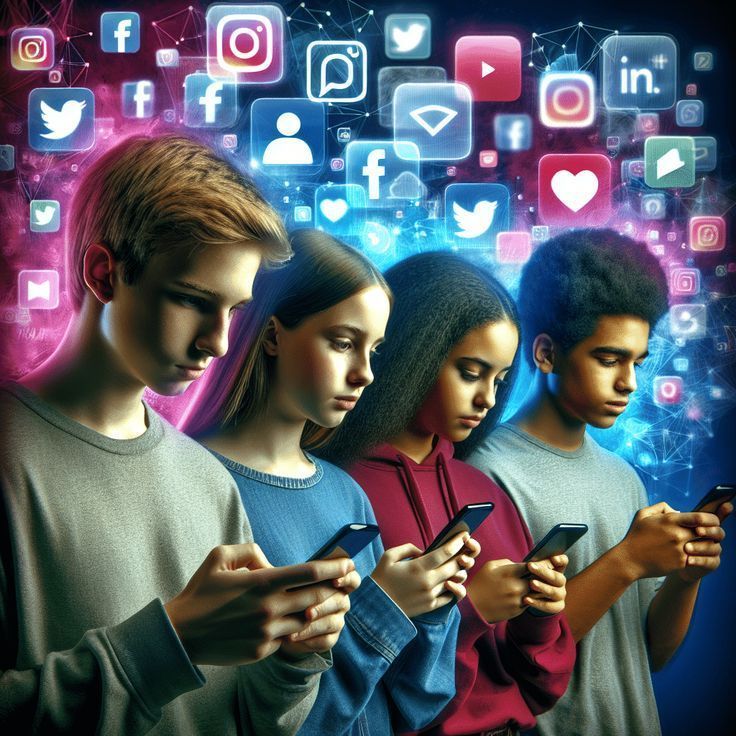
We reach for our phones before we reach for anything else. Before coffee. Before shoes. Before saying good morning. What began as a tool for connection has quietly become a default environment, one that often hijacks our attention, sleep and sometimes our sense of self. But "addicted" is a loaded word. Read on what researchers really mean about what phone addiction is today, how bad the problem really is, who is most at risk, and crucially what practical steps readers can take to regain control.
The scale of the problem: screens, time and habits
Recent data show smartphone use is no longer a fringe behaviour: it’s mainstream human behaviour. Global analyses estimate the modern user spends between roughly 4½ and 6½ hours per day on screens or phones specifically, depending on the metric and country. One synthesis of screen-time studies puts average daily screen time across devices at about 6 hours and 30–40 minutes, while other smartphone-focused trackers find average phone time typically between 4 and 5 hours daily in many markets. These numbers mean many people spend shockingly large portions of each waking day staring at pocket-sized devices.
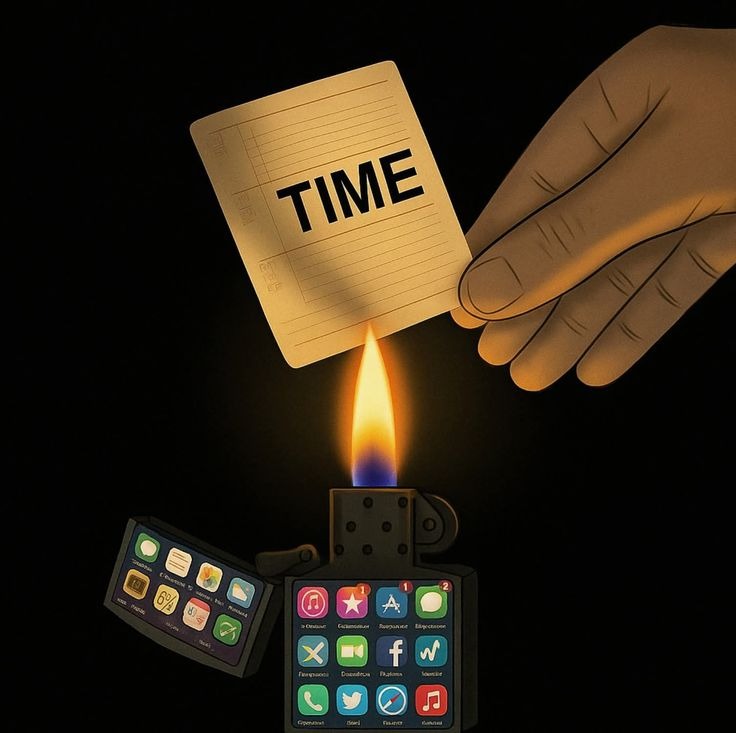
In countries with very high digital penetration the number is higher still: teens and young adults are regularly the heaviest users. In the U.S., for example, most adults own smartphones and a substantial share report near-constant connectivity, trends that mirror global adoption curves.
Regionally, Nigeria’s digital footprint has grown fast: DataReportal and national figures show hundreds of millions of active mobile connections, and mobile penetration above 60–85% depending on the metric, meaning any public-health conversation about screen time must include Nigeria and similar markets.
Taken together: billions of active smartphone users + multiple hours each day = a behavioural phenomenon that public health agencies and researchers now treat like any other mass behavioural risk.
What do experts mean by “smartphone addiction”?
Clinicians and academics use several terms: “problematic smartphone use,” “compulsive phone checking,” “internet gaming disorder” (for gaming-specific behaviour), and sometimes “behavioural addiction.” The World Health Organization has recognized gaming disorder as a clinical condition and flagged addictive behaviours more broadly as a legitimate public-health concern, particularly for adolescents and young people. Importantly, not all heavy use equals addiction: dependence becomes problematic when it interferes with schooling, work, relationships, or mental and physical health.
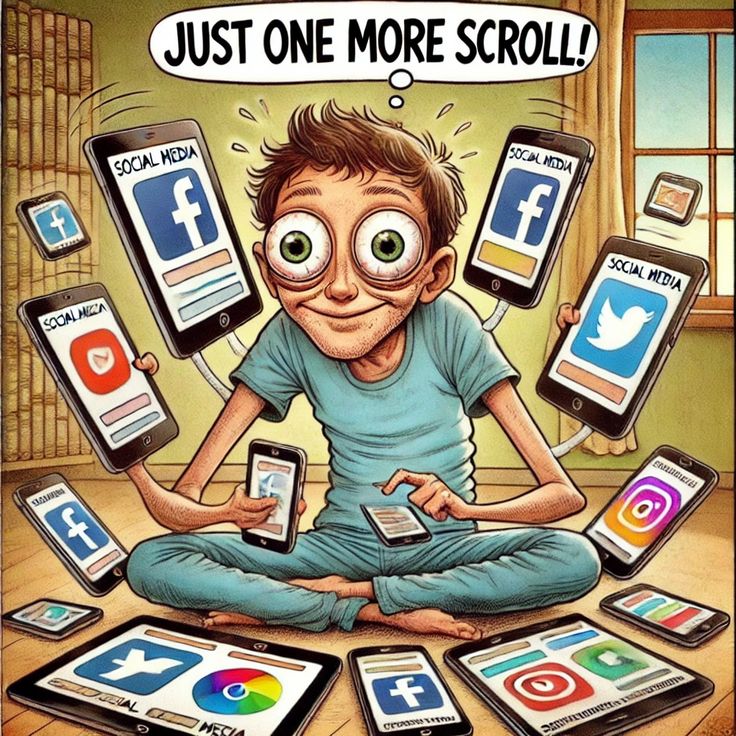
A recent media investigation and data-driven study of short-video platforms found the architecture of apps, endless scroll, hyper-personalized feeds, variable rewards (likes, comments), and frictionless consumption, accelerates habit formation. Researchers tracking watch-history and engagement patterns reported that habit formation on some platforms can begin within weeks and that even “light” users can see their daily use grow substantially. This explains why platform design matters when discussing addictive patterns.
Who is most at risk?
Adolescents and young adults. Multiple studies and WHO reports highlight teenagers as a high-risk group for problematic use due to developmental vulnerability (reward sensitivity, peer pressure) and app ecosystems built around short-form social reward loops.
People with existing mental-health challenges. Anxiety, depression, and attention-deficit tendencies can make compulsive phone behaviours more likely or more harmful.
Professionally tethered populations. Workers whose jobs demand constant connectivity (journalists, gig-economy workers, social-media managers) often struggle to set boundaries.
Habit-prone contexts. Long commutes, boredom, disrupted sleep schedules, and social isolation create conditions where compulsive use can flourish.
The harms: more than lost minutes
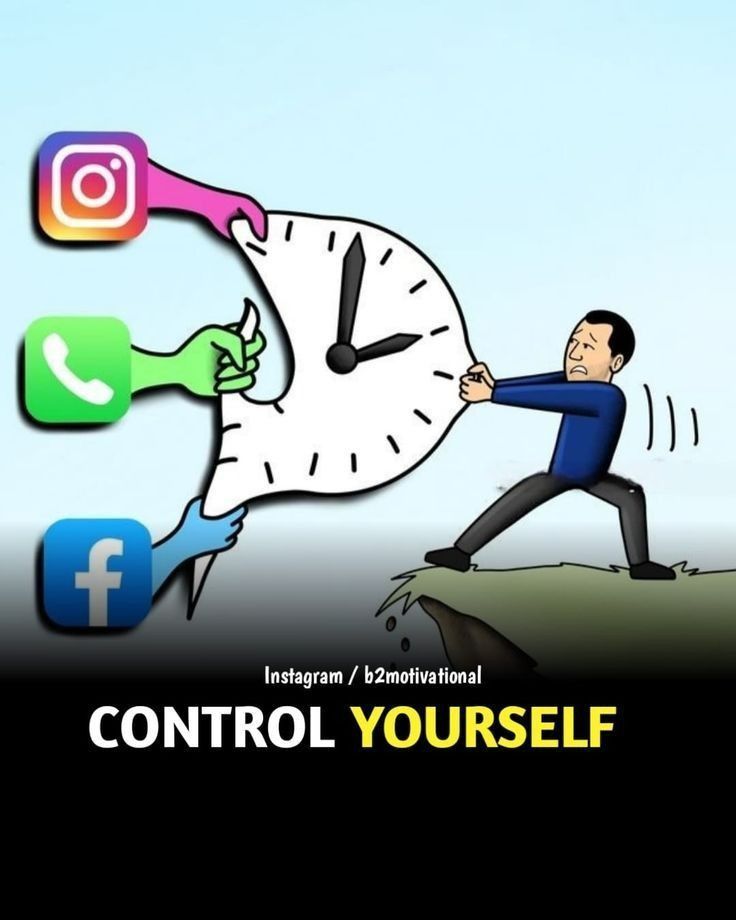
Smartphone overuse affects people across four overlapping domains.
Mental health and concentration. Heavy phone and social-media use have been linked with anxiety, depressive symptoms, and worse concentration, especially in younger users. The WHO’s review of adolescents and screen media flagged concerns around well-being and recommended healthier online habits.
Sleep disruption. Nighttime phone use and exposure to blue light delay sleep onset and reduce quality. This is not just annoying: chronic sleep disruption rewires mood regulation, learning, and immune functioning.
Productivity and learning. Frequent interruptions from notifications reduce sustained attention. Tasks that require deep work are particularly vulnerable to micro-interruptions caused by phone checks.
Physical risks. Distracted driving, posture problems, and eye strain are everyday, measurable harms. Some studies link device distraction to accidents and near-misses.
The platform factor: design that rewards endless use
It’s not only about willpower. App architectures, algorithmic personalization, infinite scroll, short-form videos, are optimized to maximize engagement. Investigations of platforms like TikTok show how recommendation systems quickly learn and amplify content that keeps users watching, nudging even casual viewers into longer sessions. This is a structural problem that complicates “just stop” advice.
What the evidence says about reducing harm
Research on interventions is mixed but promising. Behavioral strategies (screen limits, notification management), digital hygiene curricula in schools, and structural changes (platform time-limit tools) can measurably reduce use and improve sleep, mood, and academic outcomes when applied consistently. Clinical interventions for severe cases, similar to other behavioral addictions, can help those who meet diagnostic thresholds. Meta-analyses suggest that multi-component interventions (education + tools + habit replacement) are most effective.
Practical, evidence-based steps readers can take (for individuals and households)
Here are realistic, actionable measures, the kind of guide you as a reader can use tomorrow.
1. Treat notifications like invitations, not demands

Turn off non-essential push notifications (shopping, many social apps). Keep only SMS, calls, and a handful of critical apps allowed to interrupt you. Tiny friction helps a lot.
2. Use time limits with a plan
Set daily app timers (available on iOS Screen Time, Android Digital Wellbeing). But pair limits with replacement activities: if you cut social scrolling, have a small list of alternative actions (walk, read for 10 minutes, call a friend).
3. Reclaim the first 30 minutes and last 60 minutes of the day
Don’t start your day with a feed. Try a 5–15 minute stretch, a prioritized to-do list, or a short walk. For evenings, start a phone curfew, an hour before bed is ideal, and charge devices outside the bedroom.
4. Build micro-boundaries for focus
When you need deep work, put your phone in another room, use a focus app that blocks distractions, or use airplane mode. Even a ten-minute uninterrupted run at a task builds cognitive resilience.
5. Change your default behavior
Move apps off your home screen. Disable autoplay in video apps. Unfollow or mute accounts that trigger negative comparisons or endless browsing.
6. Reintroduce offline rituals
Replace habitual scrolls with a ritual: a 3-minute breathing exercise, a chapter of a book, or a 10-minute hobby slot. Rituals create predictable rewards that counter the app-driven dopamine loop.
7. Talk about it with family and peers
Household rules, phone-free meals, shared charging stations, reduce conflict and model healthier habits for children.
8. For schools & workplaces: structural solutions
Digital-wellness education, scheduled device-free classroom periods, and institution-level “no-pressure” windows for responding to messages reduce the cultural expectation of constant availability.
When to seek professional help
If phone use causes persistent decline in grades or work performance, leads to repeated relationship conflicts, or if withdrawal from the device triggers severe anxiety or panic, consult a mental-health professional. Clinicians can assess for comorbid issues, depression, anxiety, ADHD, and tailor therapy (CBT, habit-reversal strategies) or family-based interventions.
Policy and platform recommendations (a public-interest brief)
Transparency and defaults. Platforms should provide clear, easy-to-use time-use dashboards and non-obfuscated time caps by default.
Nudges toward healthy use. Default reminders after prolonged sessions, calendar-based downtime, and friction for infinite-scroll mechanics can shift population-level behavior.
Education in curricula. Digital hygiene should be taught alongside sex ed and drug education, skills for navigation, not simply restriction.
Context-aware regulation. Policymakers can encourage industry best practices (e.g., design for well-being), while avoiding heavy-handed bans that hamper legitimate uses.
A way forward: small changes, cultural shifts
Phone addiction is not merely an individual failure. It is a social phenomenon born of powerful design, economic incentives, and cultural norms. But small, consistent changes, fewer notifications, clearer nightly boundaries, ritualizing offline time, can produce outsized benefits. At the societal level, education and platform accountability can reduce harms across entire generations.
If you can, just give it a try: try one change this week. Maybe it’s turning off Instagram notifications. Maybe it’s charging your phone outside the bedroom for three nights. Measure how you feel. Tiny experiments, repeated, often become new defaults.