When The Market Crashes But The Movement Doesn't.
Africa's Young builders are keeping the decentralized dream alive amidst global market turbulence.
The Quiet Hum of the Builders
When the global financial market tumble, the echo of the panic is resounding. Charts bleed red, headlines scream, and the hopes of observers vanish like smoke. The latest market spiral which was triggered in part by a renewed trade cold war between China and the United States was no exception. Stocks slumped, major crypto values halved, and analysts declared yet another “end of the digital dream.”
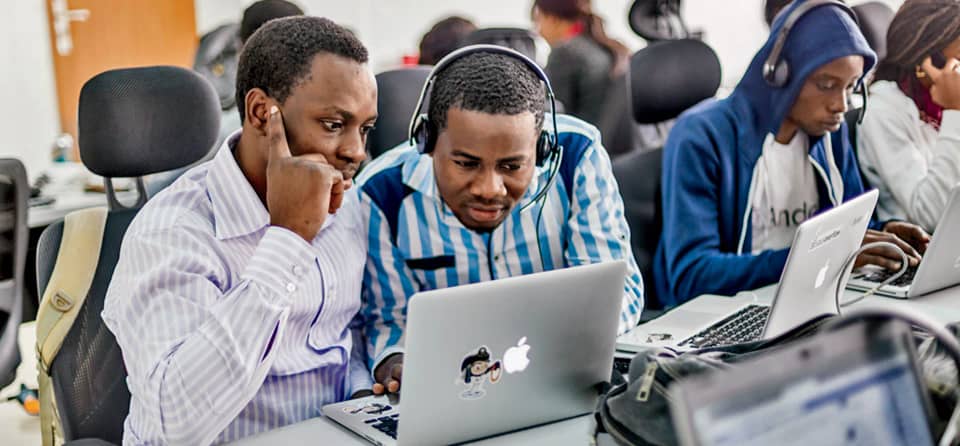
But somewhere in between the chaos of collapsing numbers and the deafening silence that follows, another persistent rhythm occurs: the quiet hum of builders, dreamers, and believers who never stop.
Across Africa, where young people are already navigating a world of constant irresolution of currency, politics, and opportunities, the crash barely caused a flinch. When the crash hit tech hubs from Lagos to Nairobi, Accra to Cape Town, the conversation wasn't about lost profits, it was about what to build next.
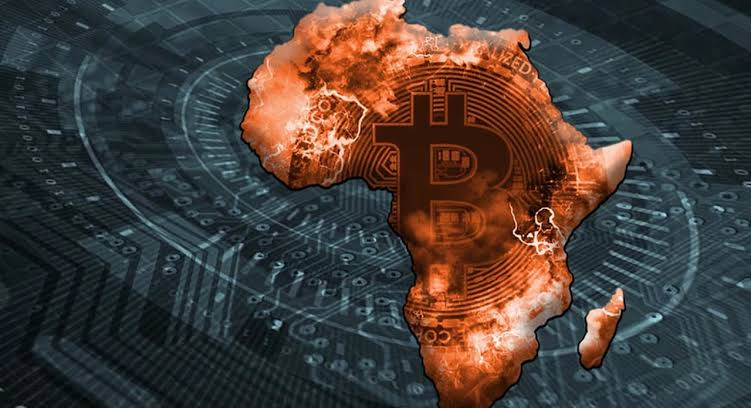
A conflict stands; why does the movement keep moving even when the market collapses?
Because for many young African minds, cryptocurrency and Web3 aren’t mere investments. These are ideological blueprints for a movement toward sovereignty, transparency, and liberation from the gatekeepers of the continent’s financial system.
Beyond the Ticker: The Core Philosophy
The Genesis of Belief: Distrust and Sovereignty.
At its heart, the Web3 movement was never truly about price. It always has been about power and who controls it. To the African youth navigating unreliable banking systems, fluctuating currencies, and policy shifts that come without warning, the promise of trustless technology resonates deeply.
Africa's crypto adoption continues to grow, increasing from 40.1 million to 43.5 million users, which is an 8.5% rise. Despite the relentless market crahses and regulatory roadblocks, the ownership has experienced a steady climb.
Nigeria for instance,ranks second amongst the top African countries with the highest crypto ownership, at the heels of South Africa. One report shows that 10.3% of its surveyed population owns or has purchased crypto.

In a world where access often depends on permission, blockchain has offered something tangible; self sovereignty– to hold one's own keys is to hold one's future.
The Anti-Establishment Impulse.
For decades, Africa lived under systems designed and operated elsewhere– Great Britain, The USA, The Greek– Web3 has reversed that. Our ownership is ours to define.
The movement’s early rebels saw blockchain as a challenge to centralized power. For African youth, this rebellion feels familiar– they recognize this in their fight for freedom from corrupt local systems, restrictive policies, and even global economic gatekeeping– this movement echoes the right to decide our own destiny.
The Builders’ Resilience: Development Continues.
Separating Price from Progress.
A crash only tests conviction. To the onlookers, it’s a disaster; to the builder, it’s clarity.
When prices plunged following the latest China–US tensions, causing Bitcoin to momentarily drop by over $10,000 in April 2024, developer communities in places like Nigeria didn’t disappear. Rather, they doubled down. Hackathons continued.
Telegram groups buzzed even more than they did before with more technical discussions. Courses were sold, and mentorships were provided for better navigation of the system. Discord servers stayed alive. No one gave up. The mantra became; no leave, no transfer. The drop did a simple but significant thing; it flushed out the spectators, leaving behind the resilient architects.
Scalability and Utility
During downturns, attention shifts from hype to substance. At this juncture, it is not about how much people are talking about crypto, but how tangible holding on to it is. African builders are quietly solving worldwide problems by curating Layer 2 networks that lower fees, integrating stablecoins into local trade systems, and experimenting with decentralized ID systems that could outlast governments.
From Kenya’s fintech corridors to Ghana’s Web3 art collectives, innovation has thrived even when liquidity dares to dry up, because the mission was never just profit but purpose.
Philosophy in Practice.
Uncensorable Money
In places like Zimbabwe, where inflation has historically spiralled, or Nigeria, where the local currency has faced sharp devaluations, weekly beat by the dollar or pound, digital currencies can be likened to gold; they are survival tools.
Stablecoins like USDT circulate through peer-to-peer (P2P) markets and WhatsApp groups as informal economies rise beyond the reach of broken banking systems.

Between July 2023 and June 2024, Nigeria’s crypto economy processed approximately $59 billion in crypto transaction value, making it the world's second-biggest country for retail crypto adoption (behind only India). The vast majority of these transactions are small retail trades, signalling that here, crypto isn't a bet but a breathing space.
The Creative Commons (NFTs and Creators).
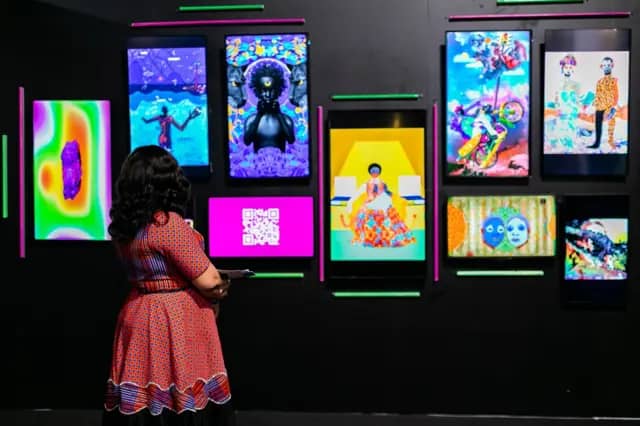
African artists, musicians, and photographers are now minting independence. Through NFTs, intermediaries– who once took lion's shares of profits– are bypassed, royalties are retained, and they can connect directly with collectors. Even as global NFT prices dipped, the ideology of ownership and visibility persisted especially for young creators who have long been excluded from global markets by intercontinental logistical hurdles and information gatekeeping. A photographer in Nairobi can now receive royalties for his work every time a digital print is resold.
The Long Game.
Every generation has its revolution. The internet’s first wave connected us; Web3 aims to liberate us. And even though it seems as though liberation comes at a cost,
African builders understand that this is a marathon. The technology is still young but so are they. And like the early internet pioneers, they’re playing the long game: one codebase, one smart contract, one DAO at a time.
Coda: The Faith of the Decentralized.

Crashes expose who’s in it for profit and who’s in it for purpose.
When prices fall, speculators leave and the believers stay. Believers build. Believers teach. Believers remind the world that blockchain was never meant to make a few people rich; it was meant to make everyone free.
For Africa’s youth, that dream is the bedrock of their survival, not mere speculation.
Because even when the market crashes, the movement doesn't. It simply decentralizes the faith.