What Happens to Your Body If You Consume Excess Salt
Think you don’t eat “too salty”? Most sodium is hidden. Learn what happens inside your body when you consume excess salt and how to spot it.
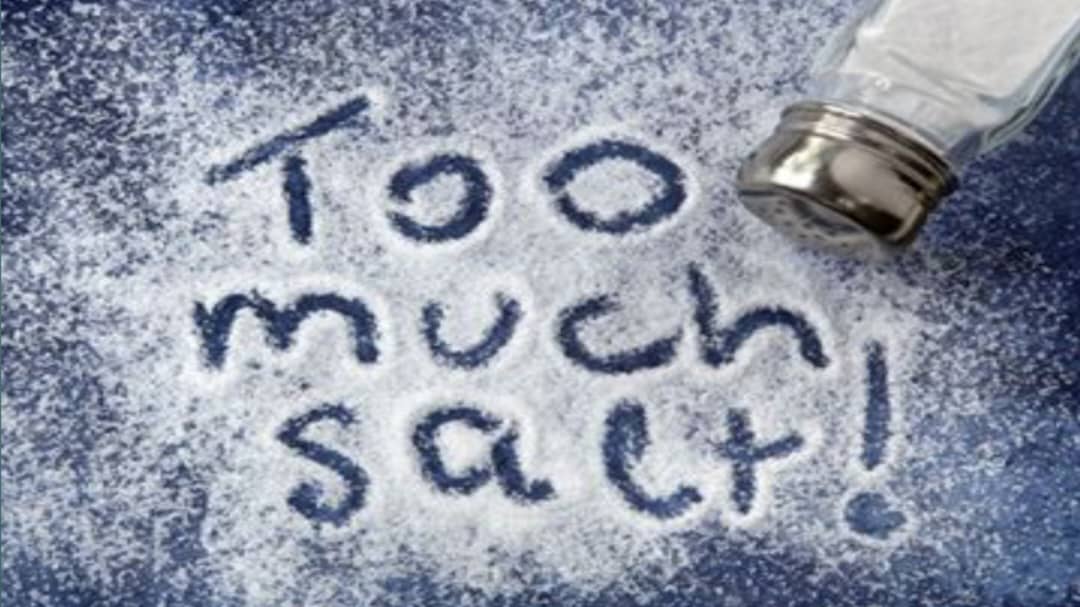
Salt gets a lot of hype because it makes food taste elite. But your body treats salt like a serious chemical tool, not just seasoning. Salt is mostly sodium, and sodium helps control fluid balance, nerve signals, and muscle movement.
The problem starts when sodium shows up too often and in too large amounts. Then your body has to work overtime to keep things stable.
This is what can happen when you regularly consume excess salt.
1) Your body holds onto water and you feel puffy
When you eat a salty meal, extra sodium ends up in your bloodstream. Your body tries to keep the sodium level balanced by pulling in water to dilute it. That’s why you might wake up with a swollen face, tighter rings, or feel “bloated” after instant noodles or fries.
This water retention can also raise the amount of fluid in your blood vessels. More fluid means more pressure, like turning up the water pressure in a hose.
That pressure matters, because it’s one of the first steps toward long-term problems with your heart and blood vessels.
If you already have high blood pressure, kidney issues, or heart problems, excess salt can make symptoms worse faster. Even if you don’t, the repeated “puffy today, normal tomorrow” cycle can slowly become your new normal.
2) Your blood pressure rises and your heart works harder
Blood pressure is the force of blood pushing against your artery walls. When sodium causes your body to retain more water, blood volume increases, and blood pressure often goes up.
In the short term, you may not feel anything. High blood pressure can be silent. But inside, your heart has to pump harder to move blood around. Over time, that extra work can strain the heart and stiffen blood vessels.
Important note: not everyone responds to sodium the same way. Some people are more “salt-sensitive,” meaning their blood pressure rises more easily.
But even if you don’t notice effects now, frequent excess salt can still contribute to risk later, especially when combined with stress, low sleep, and low activity, aka the modern student lifestyle.
3) Your kidneys get stressed trying to clean up the mess
Your kidneys are the body’s filtration squad. They remove waste and help regulate sodium and water. When you consume too much sodium often, your kidneys have to push harder to get rid of the extra.
If the kidneys can’t excrete enough sodium quickly, your body keeps more water, which increases blood pressure. High blood pressure then damages the tiny blood vessels in the kidneys, making it harder for them to filter.
That creates a cycle: more salt leads to higher pressure, which leads to more kidney stress, which makes sodium control even harder.
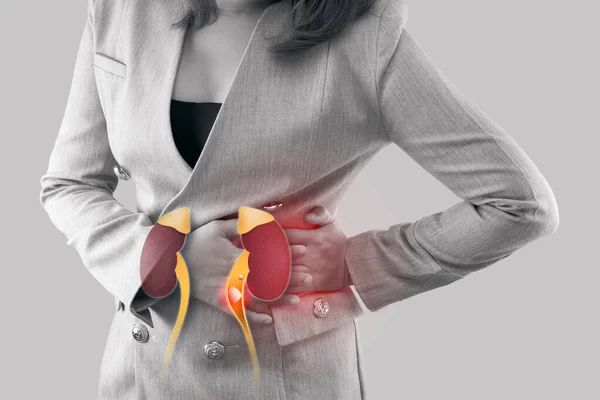
Also, excess sodium can increase calcium loss in urine. Over time, that may raise the risk of kidney stones for some people. Your kidneys are not designed for daily salt overload.
4) Your brain and body may feel “off” due to dehydration effects

This sounds weird because we just said salt makes you retain water, but here’s the twist: high sodium can still mess with hydration inside and outside your cells. To balance sodium, your body shifts water between compartments. This can trigger thirst and make you chug drinks. If you don’t replace fluids properly, you can feel:
Thirst that won’t quit
Headaches
Tiredness or low energy
Dry mouth
Trouble focusing
And if your go-to drink is soda or energy drinks, you’ve added more problems to the mix. A salty diet often comes with low water intake and highly processed foods, which can amplify the “I feel gross” effect.
Other Ways We Consume Salt Besides Adding It To Our Food
Let’s be honest: most salt doesn’t come from the salt shaker. It sneaks in through “everyday” foods, especially processed and restaurant meals. This is why people can be eating excess sodium without even realizing it.
Common salt sources include:
Instant noodles, ramen seasoning packs, and cup soups
Fast food meals, fries, burgers, shawarma, pizza
Packaged snacks like chips, crackers, popcorn
Bread and pastries (yes, even bread can be salty)
Processed meats: sausages, hot dogs, bacon, deli slices
Canned foods: beans, sardines, corned beef, soups
Sauces and spreads: soy sauce, ketchup, mayo, salad dressings, bouillon cubes
“Flavour boosters” like seasoning blends and stock powders
Even foods that don’t taste super salty can still be sodium-heavy, because salt is used to preserve, improve texture, and make flavours pop.
If you eat a lot of packaged foods, you’re probably getting more salt than you think.
So how much is “too much,” and what should you do?
The key issue isn’t one salty day. It’s the pattern. If most of your week is packed with instant meals, takeout, and snacks, your sodium intake can stay high constantly.
To cut down without making food boring:
Taste before you add salt, your tongue adapts fast
Use spices, garlic, ginger, onions, curry, thyme, and pepper for flavour
Choose lower-sodium versions of seasonings and canned foods
Rinse canned foods like beans to remove some sodium
Balance salty meals with potassium-rich foods like bananas, oranges, beans, tomatoes, and leafy greens
Drink enough water, especially after salty meals
You don’t have to fear salt. You just have to stop letting it run your whole diet.