What China's Latest Move Against Taiwan Reveals About Its Growing Influence in Africa
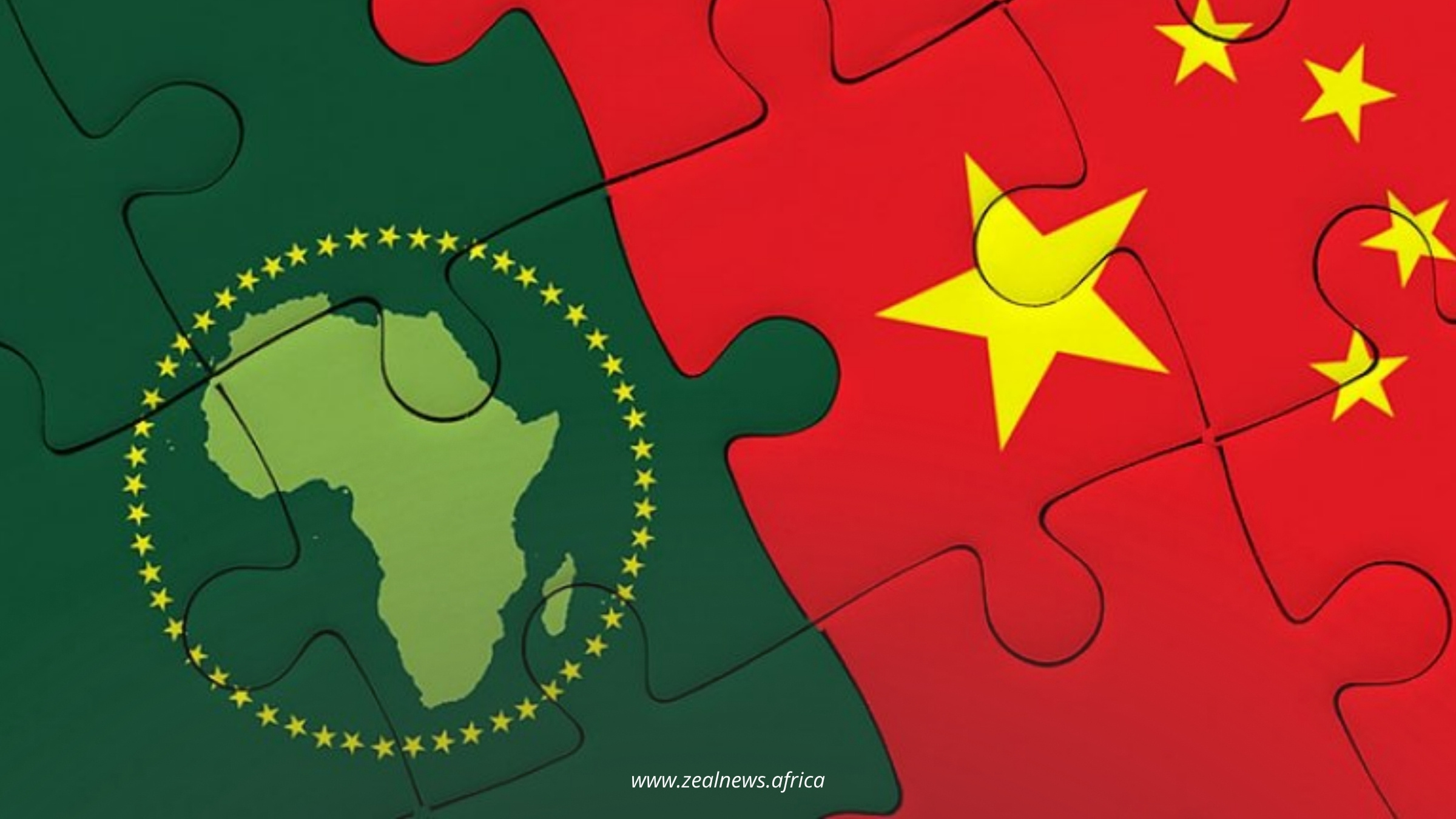
China’s role in Africa comes into sharper focus after three countries blocked Taiwan President Lai Ching-te’s flight, revealing how deep Beijing’s political and economic influence now runs across the continent.
On April 22, 2026, Taiwan's President Lai Ching-te was supposed to board a plane to Eswatini, a small landlocked kingdom in southern Africa, and the only country on the continent that still recognises Taiwan as a sovereign state.
The visit was meant to mark the 40th anniversary of King Mswati III's reign but it never happened.
Seychelles, Mauritius, and Madagascar, the three African nations with no official diplomatic ties to Taiwan, revoked Lai's overflight permits at the last minute.
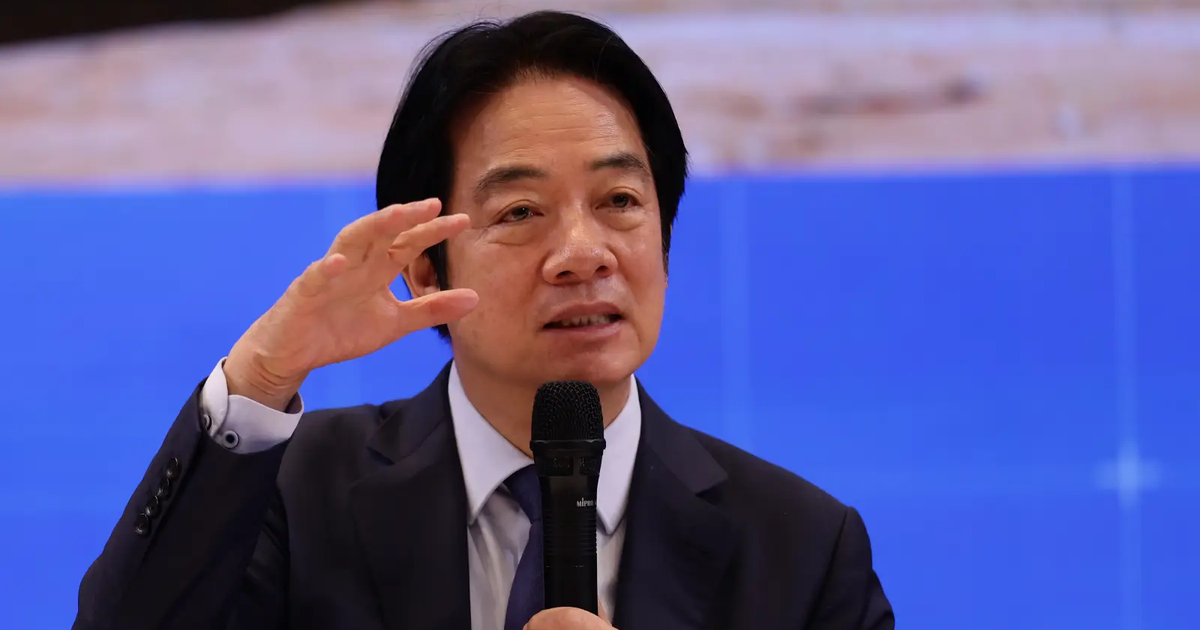
No planes from Taiwan get to cross their airspace, so the trip was cancelled.
When reporters asked Beijing about it, China's response was practically a standing ovation. Chinese officials said they had "high appreciation" for the countries that blocked the flight, while Taiwan's government called it exactly what it looked like: servitude.
This was not just about a flight cancellation. It is an act that tells you everything about where power sits in Africa right now.
This Has Never Happened Before
This is the first time in history that a sitting Taiwanese president has had to cancel an overseas trip because countries denied access to their airspace.
Typically, even nations that don't recognise Taiwan diplomatically still allow Taiwanese officials to fly over them. That is just how aviation works. It is logistical and not political.
However, China just made it political. By pressuring African countries to weaponise something as routine as airspace, Beijing has changed the entire narrative.
It is no longer just about which countries formally recognise Taiwan. It is about whether Taiwan can even show up, physically, anywhere Beijing doesn't want it to be.
How China Built Its Influence on the Continent
China's relationship with Africa didn't start last week. It has been decades in the making, carefully constructed through a strategy that African governments often found difficult to say no to.
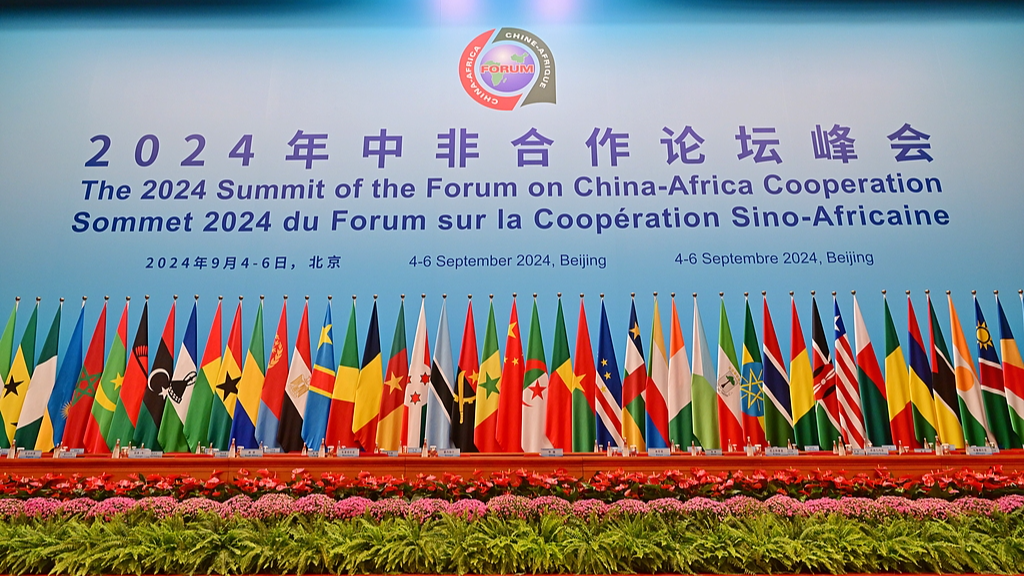
It began in earnest in the early 2000s when the Forum on China-Africa Cooperation, FOCAC, became the vehicle for funnelling billions of dollars in loans, infrastructure and investment into the continent.
Roads, railways, stadiums, ports, and government buildings across Africa carry Chinese fingerprints.
We see it in Ethiopia's Addis Ababa–Djibouti railway, Kenya's Standard Gauge Railway, Nigeria's Abuja light rail, the African Union headquarters in Addis Ababa which was a gift from Beijing, completed in 2012.
Then came the Belt and Road Initiative, launched in 2013, which pulled even more African countries into China's economic orbit.
By 2024, China was Africa's largest single trading partner for fifteen consecutive years.
For this reason, African nations one by one switched their recognition from Taiwan to China across the 1970s, 1980s, and beyond, drawn in by development deals and the simple arithmetic of a 1.4-billion-person market versus Taiwan's 23 million people.
By 2026, China had diplomatic relations with every single African country except one: Eswatini.
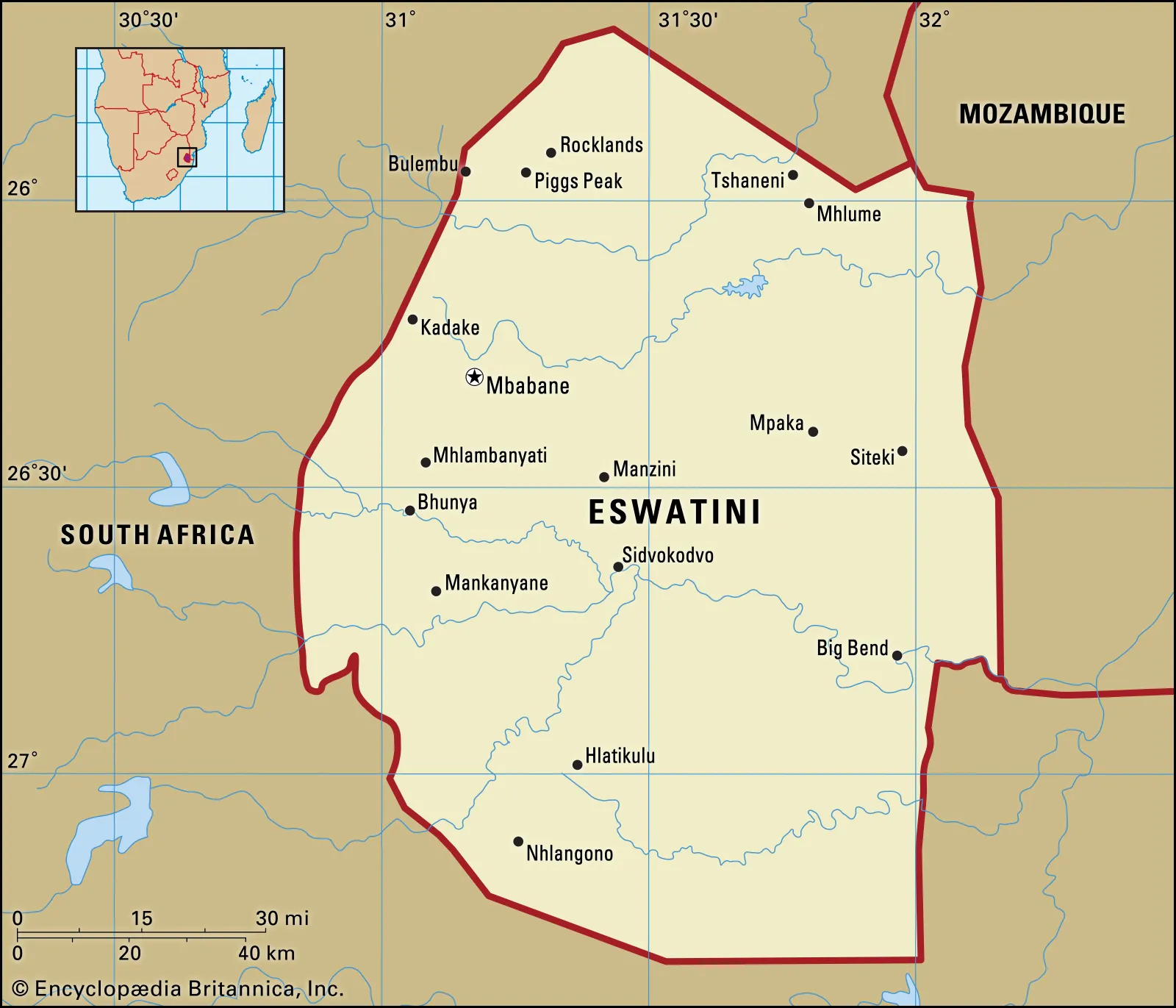
Eswatini: The Last Man Standing

Eswatini's refusal to drop Taiwan is increasingly lonely and Beijing has made no secret of its impatience.
In 2024, when China hosted the Forum on China-Africa Cooperation summit in Beijing, every African country sent a delegation.
Every country except Eswatini. Shortly after, China's Foreign Ministry spokesperson publicly told Eswatini to "make the right decision" and cut ties with Taiwan.
The kingdom's silence was defiant but the pressure has never stopped.
The blocked flight is the latest chapter in that pressure campaign and the message is not just for Eswatini.
It is for every small country watching. Fall in line, or face consequences. Madagascar, Seychelles, and Mauritius clearly got the memo.
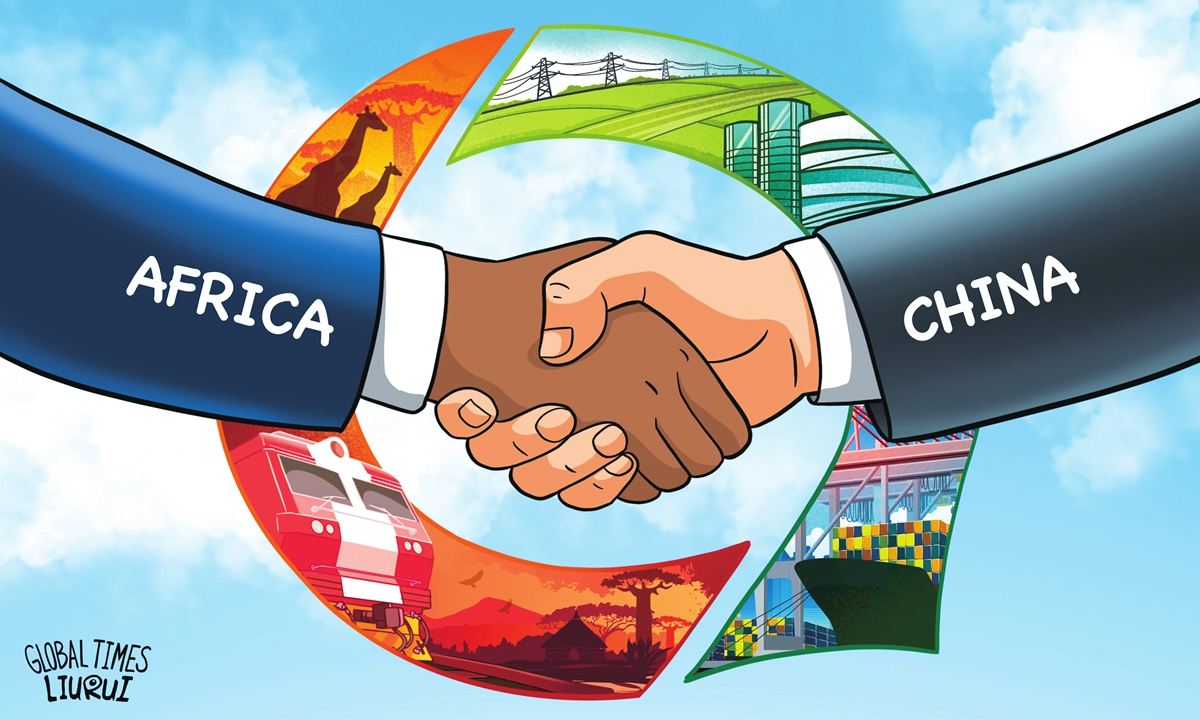
Sovereignty or Survival?
When smaller African nations fold under China's pressure, is it weakness or pragmatism?
The honest answer is complicated. These are countries with real economic vulnerabilities, real debt exposure to Chinese lenders, and real dependence on Chinese trade.
When Beijing says jump, many of them calculate the cost of not jumping and decide it is too high. It isn’t admirable, but it's understandable.
What it reveals, though, is that Chinese influence in Africa has moved well past soft power. It has become so structural, embedded in the infrastructure, the debt arrangements, the trade routes, and now the airspace.
In many cases, what China has in Africa is leverage.
Taiwan's blocked flight is a small story in the grand scheme of global geopolitics.
However, it is a very clear signal that on this continent, China is no longer asking for cooperation. It is expecting it.
And most of the time, it gets it.