We Want Privacy, Yet We Overshare: The Social Media Dilemma
We claim to value privacy, yet we constantly overshare on social media for likes and validation. Learn about the contradiction and what it says about our digital age.
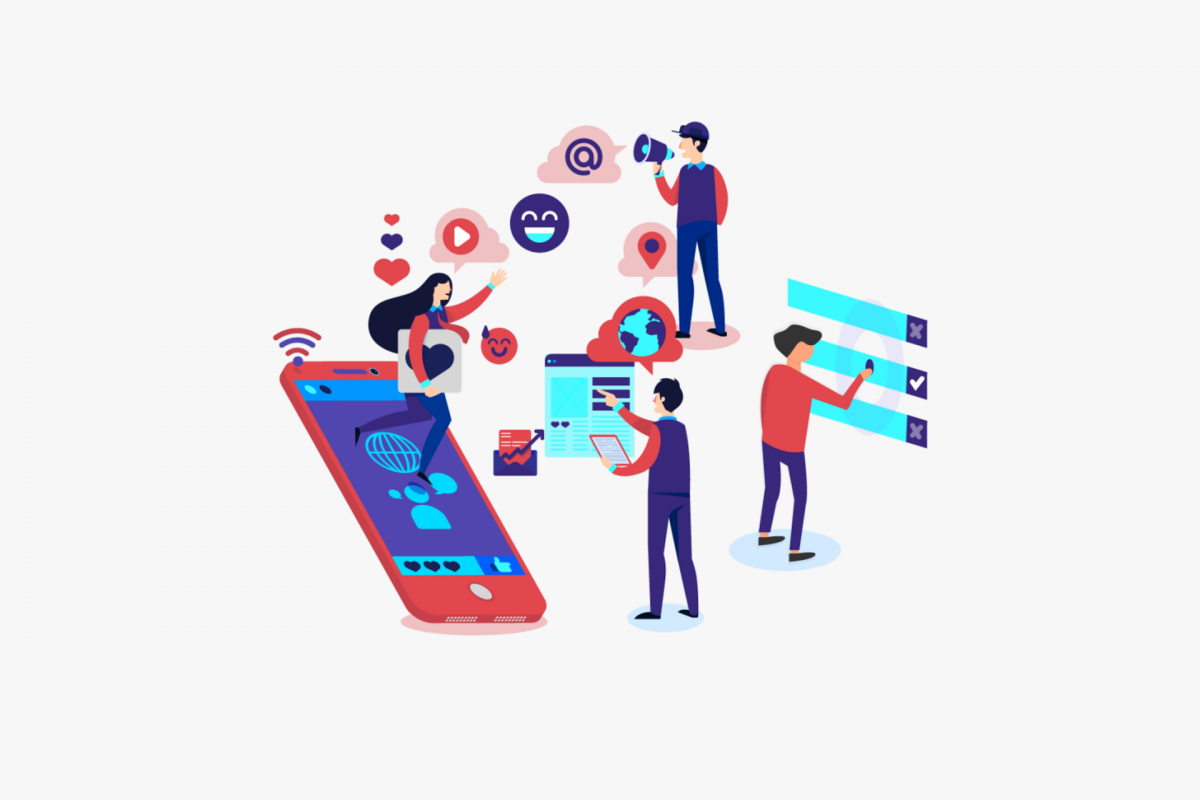
It is quite ironic when people on social media announce that they are taking a “social media break” to reclaim their peace and privacy only to be back two days later, posting mirror selfies with captions like “How you look when you are at peace.”
It is a strange circle. One moment, we are deactivating our accounts in the name of mental health, the next, we are documenting our healing journey online, step by step.
The contradiction is almost comical. We swear we value privacy, yet we overshare for likes, validation, and the dopamine rush of engagement. Our desire to be seen is constantly at loggerheads with our desire to be left alone.
And this, right here, is the social media dilemma of our generation.
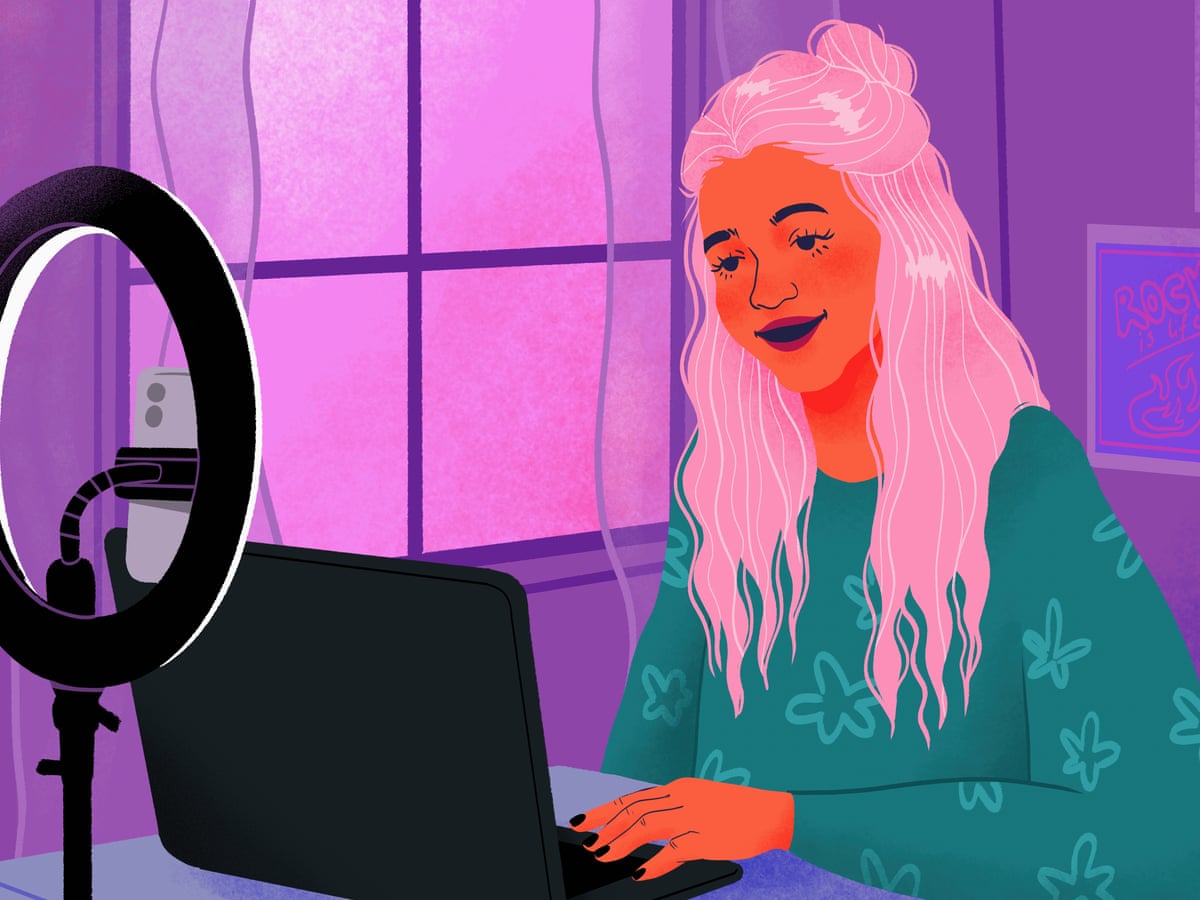
Photo Credit: The Guardian
The Performative Age of Privacy
Privacy has become a buzzword. We post quotes about protecting our peace, cut off people who “don’t respect boundaries,” and even gatekeep information about our romantic lives. But if we are honest, a lot of our so-called privacy is still performance, just a quieter, more curated version.
In fact, “privacy” has evolved into another online aesthetic. It is no longer just the absence of noise; it is the presence of minimal captions, blurry photos, and tweets that hint at pain without ever naming it. We no longer just live privately, we turn our silence into another social media aesthetic.
Some people don’t post their relationships, not because they are private, but because they know that mystery breeds engagement.
“Who’s the guy?” becomes a conversation starter in DMs. “Soft life” becomes a marketing tool. Even when we think we are being discreet, we are still posting in a way that invites speculation, curiosity, and attention.
Oversharing Is the Norm
Many of us are not even trying to be discreet. We are chronic oversharers.
Social Insight
Navigate the Rhythms of African Communities
Bold Conversations. Real Impact. True Narratives.
We post hospital drip needles, screenshots of therapy sessions, heartbreak playlists, bank alerts, travel itineraries, deeply personal family drama, and even pictures of our dinner table arguments if the lighting is good.
Social media has normalized the broadcasting of what used to be private moments. There is now social currency of vulnerability. The more raw, the more real and relatable and it all becomes content which the algorithm rewards.
You don’t just go through things anymore. You go through them and document them. You are not just sad, you are “launching your depression arc.”
You are not just dating, you are posting stories of your partner’s hands so play the “guess who” game.
Our lives have turned into digital puzzle boards, each post a piece for others to follow, like, and comment on.

Photo Credit: The Medium
Validation Feels Like a Drug
Validation is addictive. When you post something personal and people respond with heart emojis, supportive comments, or “omg same,” it feels good. You feel seen, understood. You feel like your existence is affirmed by strangers.
And sometimes, validation fills a void we didn’t even know we had. Especially for young people navigating insecurity, loneliness, or low self-worth, posting online becomes a form of self-soothing. It is our way of saying, “Here I am. Please notice me. Please care.”
But the problem with external validation is that it’s fleeting. Once the likes fade, you are left needing another hit. So you post again and again. Until oversharing becomes not just a habit but a niche.
The Myth of Control
One of the biggest lies we tell ourselves is: “I control what I share.” This is true, to some extent. But once something is online, you have lost control over how it is interpreted, reshared, or stored.
It is ironic to see people demand for privacy on a public post which they made, when people start to dig further.
Social Insight
Navigate the Rhythms of African Communities
Bold Conversations. Real Impact. True Narratives.
That heartbreak video you posted might be used as a meme six months from now. That tweet about your toxic ex might resurface during a job interview. That rant about your parents might be screenshotted and passed around family WhatsApp groups you are not even in.
We think we are just being open, just being real. But the internet has a long memory, and context doesn’t always travel with content. Privacy, once broken, is hard to recover.
The Gendered Side of Oversharing
It is also worthy to note that oversharing is not gender-neutral. Society tends to judge women more harshly for being vulnerable online. A woman crying on TikTok is seen as unstable. A man doing the same is applauded for being in touch with his emotions.
Women, in particular, are often caught in a double bind: if you share too much, you are called attention-seeking. If you share nothing, people assume you are hiding something. Even online, patriarchy plays its tricks.
Yet, women remain the most emotionally open on social media. We create safe spaces, share mental health stories, talk about abuse, and post raw moments, not just for likes, but for community.
The problem is not the vulnerability in itself, it is that the digital world often is not kind enough to hold that vulnerability with care.
What Do We Really Want?
We say we want privacy, but what we really want is safe visibility. We want to be seen without being scrutinized. We want to heard without being judged. We want to be known without being exposed.
Unfortunately, the internet does not offer that kind of package. Once you post, you are at the mercy of interpretation, trolls, and virality.
Social media flattens intention. It can’t always distinguish between authenticity and attention-seeking, between vulnerability and performance.
That is why the push for boundaries on social media platforms is growing. Some people now keep “close friends” stories. Others are moving towards newsletters, private communities, or even good old-fashioned journals. Because they are realizing that some parts of life deserve to be lived, not posted.
Social Insight
Navigate the Rhythms of African Communities
Bold Conversations. Real Impact. True Narratives.
The Case for Quiet Living
There is nothing wrong with sharing. Humans are storytelling creatures. We need connection, resonance, and affirmation. But maybe we owe it to ourselves to pause before every post and ask: Why am I sharing this?
Is it because it brings me joy? Because it might help someone? Or because I’m scared of being invisible?
There is power in keeping some things to yourself. In living moments fully, without the urge to document them. In being known deeply by a few, instead of being seen shallowly by many.
Privacy is not about hiding, it is about honouring. Honouring your peace, your process, your right to grow quietly, love quietly, and hurt quietly without needing an audience, a clapping or sympathetic one.
Because at the end of the day, you don’t owe anyone an explanation or a post.