Wall Street Divided: Goldman Sachs Throws Weight Behind Clarity Act for Crypto Regulation
Goldman Sachs CEO David Solomon supports the Clarity Act, a crypto market-structure bill, setting the bank apart from rivals like JPMorgan. The bill faces opposition from commercial banks over stablecoin yield provisions and ethical concerns, while its path to a Senate vote remains uncertain.
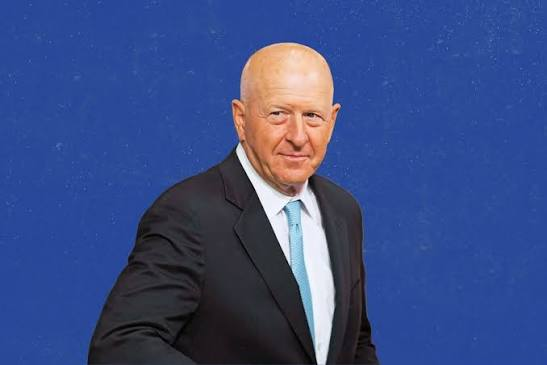
Goldman Sachs chairman and CEO David Solomon has publicly endorsed the Clarity Act, a significant crypto market-structure bill currently under consideration in the Senate.
This position distinguishes Goldman Sachs from many of its Wall Street rivals, who have voiced strong opposition to the proposed legislation.
Solomon expressed his firm support for advancing the Clarity Act, emphasizing the need for a clear market structure to foster innovation and establish a level playing field, which he believes will enhance market stability and facilitate the appropriate development of these emerging markets.
Solomon's endorsement comes as Senate Republicans have circulated new text of the bill, potentially paving the way for a floor vote.
His stance is notable given the significant pushback from other prominent bankers, most notably JPMorgan chief Jamie Dimon, who has actively campaigned against the bill and criticized the crypto industry's lobbying efforts.

The division among banks largely stems from differing business models and focuses on a key provision within the bill concerning stablecoin yield.
The contentious provision addresses the rewards that crypto platforms can offer to users holding dollar-pegged tokens.
Commercial and community banks argue that this language could lead to a substantial withdrawal of deposits from insured accounts, subsequently impacting local lending.
Six major banking trade groups, including the American Bankers Association (ABA), issued a joint statement highlighting the Clarity Act's potential risks to local lending and economic activity in the U.S.
The ABA has actively lobbied to remove the stablecoin yield language, a position also supported by labor unions. In contrast, investment banks like Goldman Sachs, which are less dependent on consumer deposits, are more focused on other aspects of the bill.
Solomon specifically pointed to language that would enable regulated financial institutions, currently on the sidelines, to participate more actively in the digital asset space and utilize blockchain technology, aligning with Goldman's belief in a single, inclusive system.
Goldman Sachs's support for the Clarity Act aligns with its increasing engagement with digital assets, including a disclosed $1.1 billion position in a spot bitcoin ETF, which Solomon has called an "astonishing success."
He has also revealed a personal, albeit small, holding in bitcoin, and the bill's stablecoin section incorporates the Tillis-Alsobrooks compromise, which prohibits passive yield on idle balances while allowing narrow, activity-based rewards.
However, the banking lobby contends this compromise still provides too much leeway. The measure has been subject to bipartisan discussions for several months, with the House passing its version in July 2025 and the Senate Banking Committee advancing its text with a 15-9 vote in May.
Despite these developments, the Clarity Act faces a challenging path to passage, and the republican senators John Curtis of Utah and John Cornyn of Texas have expressed concerns echoing those of other banks regarding potential deposit flight, with Cornyn stating, "Crypto is not going to be loaning any money for small businesses."
Senator Bill Cassidy of Louisiana also hinted at his own reservations, but the critical obstacle remains ethical considerations.
The latest draft of the Clarity Act includes language, negotiated between Senators Cynthia Lummis, Bernie Moreno, and the White House, that would bar federal officials from issuing digital assets.
However, Democrats view this provision as too weak, particularly due to distrust regarding the Trump Justice Department's enforcement of limits on the president, given that President Trump and his family reportedly earned over $1 billion from crypto ventures in the past year.
A group of seven Democrats, led by Angela Alsobrooks, criticized the text for falling short on consumer protection, illicit finance, and conflicts of interest.

Senator Lummis acknowledged the political deadlock, stating that no provision would satisfy both the bill's opponents and the president.
Senate Majority Leader John Thune aims for a floor vote in the coming week, a critical window that lawmakers believe will determine the bill's fate before the August recess.