US Places 11 African Countries on Highest Travel Warning as Trump's Security Policy Raises Questions
The US has placed 11 African countries on its highest travel warning. Is it purely about security, or is there more behind the decision under Trump?
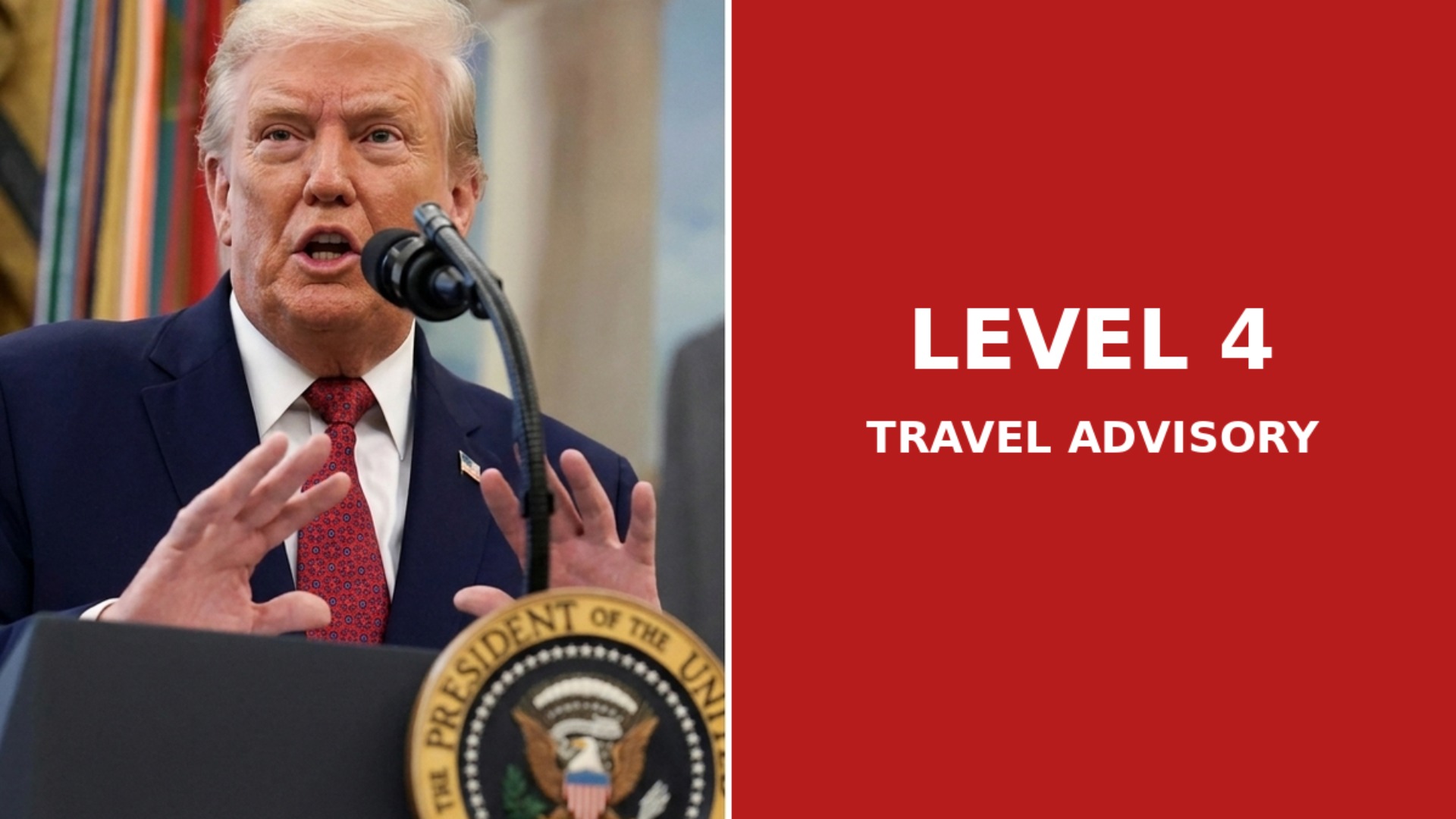
The United States has issued its most serious travel warning for 11 African countries, urging American citizens not to visit because of threats ranging from terrorism and kidnapping to armed conflict and poor healthcare.
The warning comes under President Donald Trump's administration, raising a bigger question about what these decisions mean for Africa's relationship with Washington.
While the security concerns are serious, the list also draws attention to how the United States assesses danger abroad and why some countries face its strongest warning.
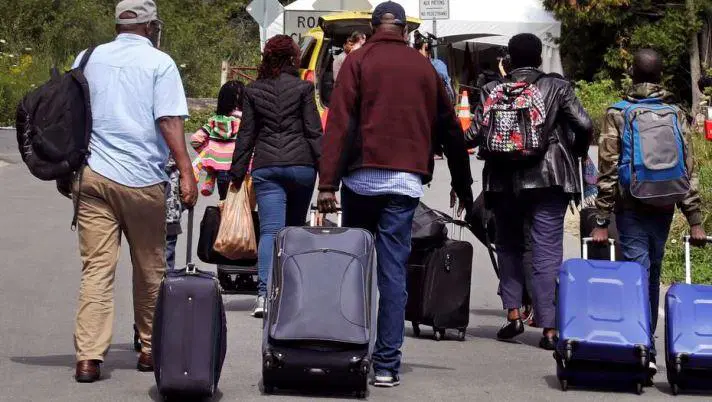
Eleven African Countries Under the Highest Warning
The US Department of State uses four travel advisory levels, with Level 4: Do Not Travel representing the highest risk.
The 11 countries identified in the October 2026 report are:
Burkina Faso
This is because of terrorism, kidnapping, crime and healthcare risks.
Central African Republic
With Civil unrest, terrorism, kidnapping and limited healthcare, which is happening in this country.
Chad
This is a major problem in Chad; Terrorism, crime, kidnapping, unrest and landmine dangers.
Democratic Republic of the Congo
Another security reason why the U.S. ban this country, because of armed conflict, crime, kidnapping and health concerns.
Libya
Armed groups, political instability, terrorism and kidnapping.
Mali:
Militant attacks, kidnapping, crime and civil unrest has been happening in Mali for a long time.
Niger

Terrorism, kidnapping and political instability is another problem in this country.
Somalia
Terrorism, crime, kidnapping and health risks.
South Sudan
Civil unrest, crime, kidnapping and inadequate healthcare is another problem after separating from Sudan.
Sudan
Ongoing war, kidnapping, violence and limited medical services, which is currently happening right now which is valid for the United States to give A Level 4 warning.
Uganda
Terrorism, crime and health concerns.
These countries face different security challenges, with the conflict in Sudan, for instance, is not the same as militant violence in the Sahel or security threats in Uganda.
However, the Level 4 designation means Washington considers the risks serious enough to advise its citizens against travelling.
Why Trump's Administration Is Drawing Attention
Donald Trump has repeatedly presented national security and the protection of American interests as central priorities of his presidency.
Against that political background, the travel warnings could easily be interpreted as another sign of Washington taking a tougher approach to international security.
But there is an important distinction.
A State Department travel advisory is not the same as a presidential travel ban. It warns American citizens about risks abroad rather than automatically preventing Africans from entering the United States.
It would also be misleading to suggest that Trump personally selected all 11 countries or that the warnings were introduced solely because of his political agenda. Travel advisories are maintained and updated by the State Department, and several of these countries have faced serious warnings across different US administrations.
Still, the political implications deserve attention. A Level 4 warning can discourage tourism, complicate business travel and influence how international visitors perceive a destination.
For African countries already struggling with insecurity, the warning may create an additional economic and reputational burden.
Security Warning or a Bigger Political Message?
There is another side to the story that makes the announcement worth examining.
When a powerful country labels another destination too dangerous to visit, that decision can shape international perceptions far beyond its own citizens.
Investors may become more cautious. Tourists may cancel trips. Businesses may reconsider expansion plans.
This creates an uncomfortable situation for countries trying to attract foreign investment while confronting genuine security problems.
It also raises questions about consistency. How does Washington determine when a security threat becomes severe enough for Level 4? And how much weight should foreign governments, investors and travellers give to America's assessment?
These questions are reasonable, but they are not evidence of a hidden campaign against Africa.
The documented reasons behind the warnings include armed violence, terrorism, kidnapping, instability and difficulties obtaining emergency assistance. There is no established evidence that Trump ordered the advisories to deliberately damage African economies.
What remains clear is that a travel warning can have consequences beyond protecting travellers.
Conclusion: Why the United States Made the Decision
The stated reason for the Level 4 warnings is straightforward: the US government believes American citizens could face life-threatening dangers in these destinations, while consular assistance may be severely limited.
The decision reflects different crises, including Sudan's war, militant violence in the Sahel, instability in Libya and Somalia, and other country-specific security and health concerns.
Although the warnings are being maintained under Trump's presidency, they should not automatically be treated as a personal directive from him.
The bigger concern is what happens next. African governments must address the security problems affecting their citizens, while Washington must ensure its assessments remain accurate, transparent and regularly reviewed.
Because a country can suffer twice from insecurity: first through the violence itself, and then through the fear that keeps the rest of the world away.