Unveiled: The Hottest Slang From Your Birth Year!
Explore the fascinating evolution of slang, a unique linguistic phenomenon that offers deep cultural context across generations. This article delves into popular slang terms from 1920 to the early 2000s, showcasing how words like 'dreamboat,' 'kegger,' 'da bomb,' and 'whale-tail' reflected their respective eras and societal shifts.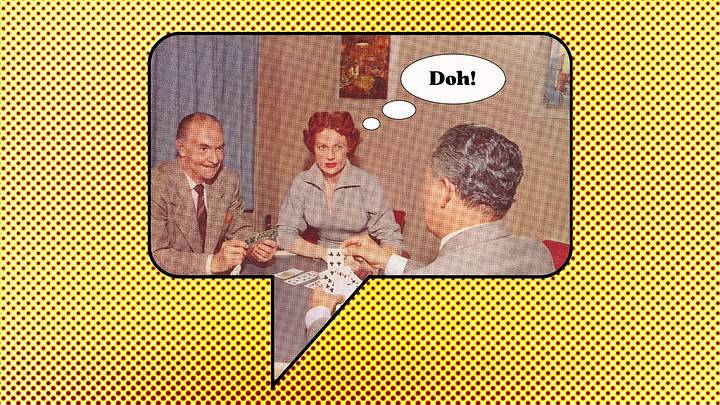
Slang terms serve as a vibrant and indispensable reflection of their respective eras, offering unique cultural context that transcends mere linguistic translation. While fluency in a language is essential, an understanding of a specific period's lingo provides profound insights into its societal norms, humor, and prevailing attitudes. The evolution of slang is a continuous process, with terms emerging, gaining popularity, and sometimes fading into obscurity or becoming ingrained in everyday speech. This phenomenon is far from a modern invention; indeed, many expressions we use today can be traced back to the generations of our parents and even great-grandparents, who helped popularize sayings like "brewski" and "kegger" in the 1960s, or "dreamboat" for attractive individuals in mid-century Hollywood.
Tracing the trajectory of popular slang terms reveals a fascinating cultural history, highlighting shifts in social trends, technology, and entertainment. According to research from Good Housekeeping, a nostalgic look back at the most popular slang terms from year to year unveils a rich tapestry of linguistic innovation from the 1920s through the early 2000s.
The 1920s, an era of jazz and speakeasies, gave us terms like Ritzy (fancy, elegant), Blind Date (a social setup between two strangers), Plastered (intoxicated), Mad Money (emergency cab fare for women on dates), Wet Blanket (a buzzkill), Atta-Girl (encouragement for a woman), Gold-Digger (someone interested in a partner solely for money), It Girl (a charming young woman), Baloney (nonsense), and It Boy (a handsome young man).
As the world moved into the 1930s, new terms emerged, including Booksy (studious), Snazzy (stylish), Burp (to belch), Beered Up (intoxicated on beer), Boffo (a funny joke or successful show), Gramps (a nickname for a grandfather or an insult for an old person), Bingo (a popular game), Gunky (sticky or gross), Fave (short for favorite), and Bad-Mouthing (speaking ill of someone).
The tumultuous 1940s saw terms like Baby Blues (mild sadness after childbirth), Dreamboat (an extremely attractive man), Hyper (overly energetic), Duh (a sarcastic response, popularized by Merrie Melodies), Tag-Along (an uninvited guest), Doh! (an exclamation for a silly mistake), Cheesed Off (angry), Artsy (pretentiously artistic), Fannie Mae (financial shorthand), and Jet Set (wealthy people who travel frequently).
The post-war affluence and changing social landscapes of the 1950s contributed phrases like Beautiful People (rich, glamorous, famous), Nerd (uncool or overly studious), Divey (low-class or seedy), Hippie (a variation of hipster), Boonies (the country), Cool (effortlessly stylish), Nit-Picker (a pedantic boss), Endsville (ultimate cool destination), Nuke (to bomb), and Hot-Dog (to perform stunts in surf culture).
The counter-cultural movement of the 1960s brought forth expressions such as Dullsville (a boring place), Bratty (spoiled), Drop-Dead (gorgeous), Mickey Mouse (amateurish work), Aw-Shucks (feigned humility), Grody (gross), Kegger (a college party with a beer keg), Freak Flag (letting your true self show, coined by Jimi Hendrix), Bippy (one's backside), and Out of Sight (mind-blowing or incredible).
The 1970s introduced a new set of terms including Dorky (nerdy or socially awkward), Deadhead (a Grateful Dead fan), Guilt Trip (manipulating someone with guilt), Carbo (shorthand for carbohydrates), Motorhead (car/motorcycle enthusiast), Detox (short for detoxify), Hardball (aggressive negotiation), Brewski (slang for beer), Pig Out (to overeat), and Nostalgia-Fest (Boomers romanticizing the past).
The vibrant pop culture of the 1980s left its mark with terms like Frizzy (unruly hair), Chill Pill (to relax), Buff (muscular physique), Beatbox (vocal drum beats), Major (for emphasis), Radness (the state of being cool), Studmuffin (handsome man), Couch Surfing (watching TV all day), F-Bomb (euphemism for an expletive), and Bogus (unfair or bad).
The 1990s, heavily influenced by hip-hop and youth culture, produced slang such as Kewl (stylized 'cool'), Tighty-Whiteys (men's brief underwear), Not (a sarcastic negator), Da Bomb (super-cool), Benjamins (nickname for $100 bills), As If (disbelief, popularized by Clueless), Whatever (dismissive response), Jiggy (stylish or skilled dancer), Phat (awesome or attractive), and Bling (flashy jewelry).
Entering the new millennium, the early 2000s brought us Whassup? (a catchphrase greeting), Whale-tail (visible thong waistband above low-rise jeans), Hella (very or extremely), Peeps (friends), and Muffin Top (overhanging body fat over tight waistbands).
This chronological journey through slang terms vividly illustrates how language constantly adapts, reflects, and shapes cultural identity, providing a unique historical record of societal shifts and expressions from one generation to the next.