Understanding Africa’s Place in the Global Hardware Industry
A concise exploration of Africa’s emerging role in the global hardware industry, highlighting the continent’s potential, challenges, and contributions to technology manufacturing and innovation.
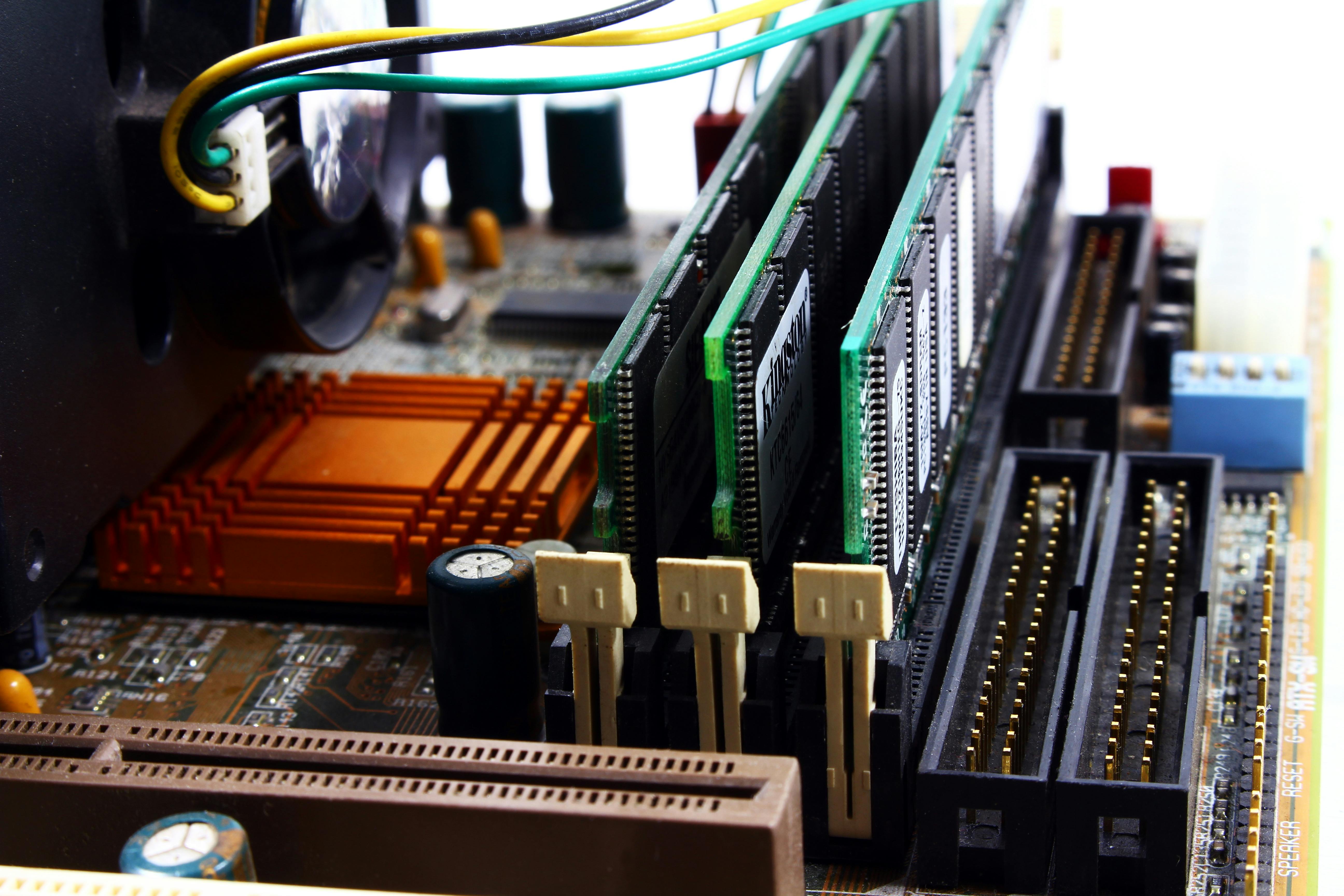
To understand the role Africa plays in global technology, it's important to first know the basics of what makes technology work. At the heart of every digital device—from smartphones to laptops to smart TVs—are two essential components: hardware and software.
Computer hardware refers to the physical parts of a computer or device that you can touch and see. This includes things like the keyboard, screen, motherboard, processor (the computer’s “brain”), memory chips, and more. In short, hardware is the body of the computer.
Computer software, on the other hand, is the set of instructions or programs that tell the hardware what to do. Think of it like this: if the hardware is the body, the software is the mind. Apps, games, operating systems like Windows or Android, and websites are all types of software. No matter how advanced the software becomes, it can’t function without solid hardware to run on.
Africa’s Role in the Global Hardware Landscape
Africa is quickly becoming one of the world’s fastest-growing markets for technology. Smartphones, laptops, and other digital devices are in high demand across the continent. However, while Africa is consuming more and more technology, it produces very little of the physical hardware behind it.
In fact, over 95% of computer hardware used in Africa is imported, mostly from Asia, Europe, and North America. Local manufacturing is extremely limited and often only involves simple assembly or minor customization, not full-scale production of complex components like processors or memory chips.
A Hidden Power: Africa’s Raw Materials
Although Africa does not manufacture much hardware, it plays a crucial—though often overlooked—role in making global technology possible. The continent is one of the richest sources of raw materials used in hardware production.
Countries like the Democratic Republic of Congo supply over 60% of the world’s cobalt, an essential element in batteries for smartphones, laptops, and electric vehicles. Africa also provides significant amounts of other key minerals such as lithium, tantalum, gold, and rare earth elements—all vital for producing chips, motherboards, and other components.
However, most of these raw materials are exported for processing and manufacturing elsewhere, meaning Africa captures only a small portion of the value chain. Building infrastructure for refining and using these resources locally could be a game-changer for the continent’s technological future.

African Companies Pioneering the Hardware Space on the continent
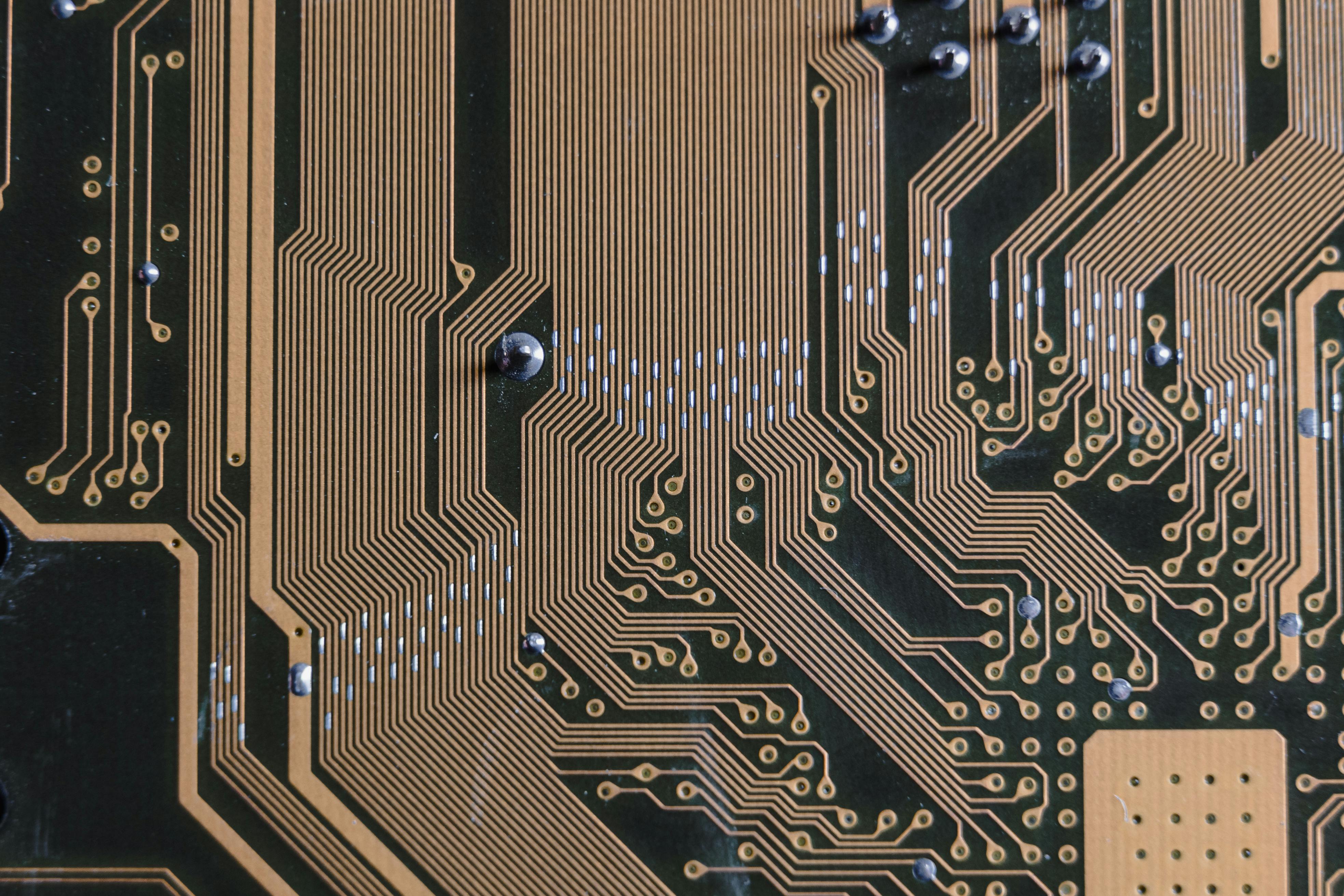
Some companies in Africa are beginning to play a bigger role in making computer chips and circuit boards locally. Semiconductor Technologies Ltd. (STL) in Kenya has built the country’s first chip-making facility in partnership with a local university, where they produce small electronic parts used in various devices. Si-Ware Systems in Egypt designs advanced electronic components but has them manufactured outside the country. In the area of circuit boards—essential parts that connect electronic components—ICAPE Trax in South Africa produces a wide range, including complex ones used in industries like defense and aviation. Bosco Printed Circuits, also in South Africa, makes circuit boards for both local and international customers. In Ethiopia, Addis PCB Design helps create and assemble small batches of circuit boards for local projects, making it one of the few places on the continent offering in-house design and assembly services.
In contrast, several companies focus primarily on assembly and distribution rather than full-scale manufacturing. Zinox Technologies in Nigeria assembles computers, laptops, and tablets locally using imported components. Esquire Technologies in South Africa builds and distributes PCs and servers but does not fabricate any of the underlying components. Microfuse Uganda develops low-cost computers tailored for schools, assembling them from sourced parts to support local education initiatives.
These companies, while still relatively small in global terms, represent important first steps toward a sustainable African hardware industry.
Latest Tech News
Decode Africa's Digital Transformation
From Startups to Fintech Hubs - We Cover It All.
The Double-Edged Sword of E-Waste
While Africa produces very little hardware, it receives a large and troubling amount of the world’s electronic waste—or e-waste. This includes discarded phones, computers, and other electronic devices, often shipped illegally from Europe and other developed countries.
More than 60% of Africa’s e-waste is imported, making the continent a global dumping ground. Agbogbloshie in Ghana and Solous II in Lagos, Nigeria, are among the largest e-waste sites in the world. In 2019 alone, Africa generated about 2.9 million metric tons of e-waste.
Most of this waste is handled informally, often burned or soaked in toxic chemicals to extract valuable materials like copper and gold. These unsafe methods pose serious health risks to workers and pollute the environment.
However, e-waste also presents a potential opportunity: with the right investment and regulation, Africa could build a professional recycling industry that safely recovers useful materials and even supports local manufacturing.

Some countries, like Rwanda and South Africa, are starting to develop formal recycling policies. These efforts could transform a major environmental problem into a stepping-stone toward a more self-reliant tech industry.

A Glimpse of Progress
Despite the many challenges, there are signs of hope. Government policies, local entrepreneurship, and increasing awareness of e-waste hazards are slowly pushing Africa toward a more active role in hardware development. Still, major gaps in funding, skills, and infrastructure remain.