Unbelievable Cinema: The 'Godzilla' Rip-Off That Fooled North Korea and Secured Hostage Release
Discover the incredible story behind North Korea's monster movie, <i>Pulgasari</i>, a film born from Kim Jong-il's cinematic aspirations and the forced labor of kidnapped South Korean filmmakers. This Godzilla-inspired epic contains a subtle, yet damning, political allegory and ultimately became the unlikely key to its creators' freedom.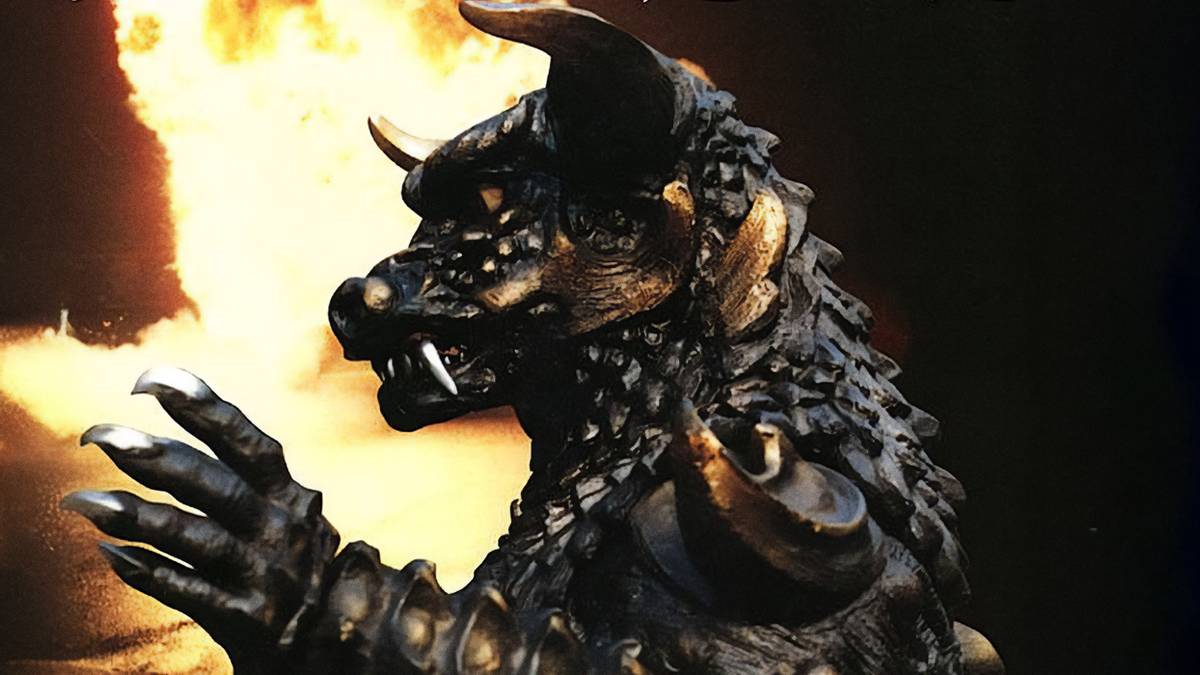
North Korea's enigmatic leader Kim Jong-il harbored a surprising passion for cinema, reportedly amassing a collection of over 20,000 videos and DVDs. He expressed considerable dissatisfaction with the state of North Korean filmmaking, criticizing its repetitive ideological plots and excessive crying scenes. Rather than attributing this lack of creativity to his regime's stringent control and propaganda, Kim took drastic measures to elevate the country's film industry. He orchestrated the kidnapping of two prominent South Korean film figures: actress Choi Eun-hee and director Shin Sang-ok. The incredible saga of their forced filmmaking is vividly recounted in the documentary The Lovers and the Despot.
Under duress, Shin Sang-ok was given a degree of creative freedom but still required Kim Jong-il's approval for his concepts. Inspired by The Return of Godzilla, Kim proposed a monster movie he believed would "equally impress Westerners." Despite his personal disdain for the Japanese, Kim acceded to Shin's insistence on needing Japanese expertise. Consequently, a Japanese crew, including top effects artists from Toho Studios and Kenpachiro Satsuma (the actor inside Godzilla's suit), was flown to Pyongyang under the false pretense of shooting a film in China. On set, production was hampered by fearful North Korean staff unwilling to communicate, and frequent theft of equipment. Nevertheless, filming commenced with 700 employees and thousands of "volunteer" extras from the North Korean army. The monster, Pulgasari, was based on a Korean legend, described as having the "body of a bear, nose of an elephant, eye of a rhino and leg of a tiger."
Pulgasari tells the story of an old blacksmith, imprisoned by an oppressive king, who molds a tiny Pulgasari from rice. When his daughter's blood brings it to life, mini Pulgasari grows by consuming iron, eventually becoming a colossal, horned beast. It becomes a symbol of the people, leading an army of farmers against the king's fortress. The king's experimental "lion gun" fails, with Pulgasari devouring its missile and firing it back, ultimately leading to the king's demise under a falling column. However, the film takes a dark turn: Pulgasari, still hungry for iron, turns against the people, consuming their tools and machinery. The blacksmith's daughter sacrifices herself by hiding inside a large bell, leading Pulgasari to ingest her. Her presence causes the monster agonizing pain, turning it to stone and crumbling apart, saving the people but claiming both their lives.
Despite director Shin's denial of any ideological intent, stating it was "a pure monster film," Pulgasari is widely interpreted as a thinly veiled critique of North Korean despotism. It mirrors how North Koreans initially found hope in a unified communist effort, only for Kim Il-sung (analogous to Pulgasari) to hijack the "people's revolution" and turn against his own people. Remarkably, Kim Jong-il completely missed this allegorical subtext, viewing the film as a metaphor "for the people's struggle against greed, private wealth, and oppression." He considered it a masterpiece, showering the crew with a feast of pheasants, deer, and wild geese as a token of his appreciation.
The unexpected success of Pulgasari within North Korea presented an opportunity for Shin and Choi to gain their freedom. Shin convinced Kim that the film had international potential, promising prestige for North Korean cinema. Kim enthusiastically approved Shin's proposal for a sequel to be released in the West and permitted both Shin and Choi to travel to Vienna to establish a new "studio." Once there, the pair made a daring escape to the US embassy, securing asylum. Their incredible story was corroborated by secret recordings they had made during their risky meetings with Kim. Kim Jong-il was left humiliated, subsequently shelving Pulgasari and all other Shin films. The film saw a limited release campaign in South Korea in 1998, playing into Kim Jong-il's vanity and aiming to generate income, but it garnered little interest. It eventually reached the U.S. via ADV Films in 2001 and is now available on platforms like Darkroom and Cultpix. Author Paul Fischer encapsulates the absurdity of Pulgasari by noting, "There were thousands dying in North Korea, but at the same time here comes Kim Jong-il, and his idea of advancing the regime’s purposes is to kidnap two South Korean filmmakers, trick some Japanese film crew members, drown them all in gifts and luxury, to play with rubber monster suits and make a Godzilla rip-off."