UK Student Visa: Only 3 African Countries Can Skip Upfront Proof of Funds
Botswana, Mauritius and Tunisia can now apply for UK student visas without upfront proof of funds. Nigeria and most other African countries still must submit full financial evidence.
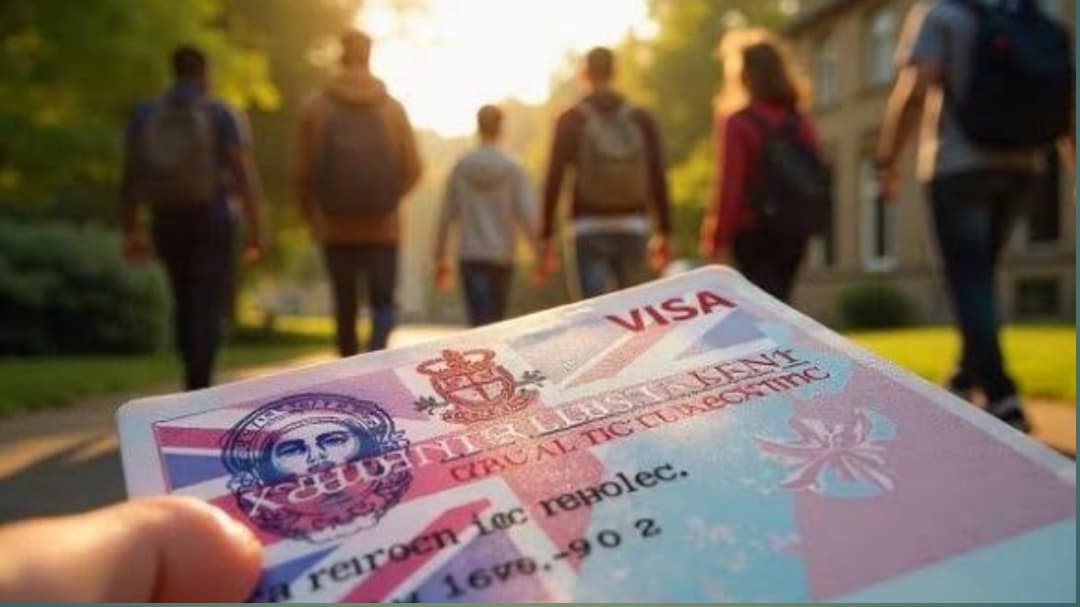
If you've ever applied for a UK student visa, you know the drill: gather the bank statements, wait out the 28 days and hope the numbers add up.
For students from three African countries, one part of that process is easier but the rules remain the same for others.
Botswana, Mauritius and Tunisia are among the nationalities whose applicants can apply for a UK Student or Child Student visa without submitting financial evidence upfront.
In an update to itsfinancial evidence guidance published on July 27, 2026, the UK government said applicants from these countries do not need to provide proof of funds unless a decision maker asks for it during the application process.
Students from these countries still have to meet the UK'srules on having enough money for their course fees and living costs, but they may not have to submit evidence of those funds at the point they apply.
Nigeria, Ghana, Kenya, South Africa and Egypt still need to show funds
Nigeria, Ghana, Kenya, South Africa and Egypt are not on the UK's list of nationalities exempt from providing financial evidence upfront.
Students from these countries who are required to provide evidence still need to show they can cover their outstanding course fees and living costs.
For most courses, the living-cost requirement is £1,529 a month for students studying in London, capped at nine months. Outside London, it is £1,171 a month. The amount needed for tuition is separate and is based on the outstanding course fees shown on the student's Confirmation of Acceptance for Studies (CAS).
Bringing dependants means a higher financial requirement
Students bringing a partner or child also have to show additional funds where the financial evidence requirement applies.
The amount is £845 a month for each dependant in London and £680 outside London, with the requirement capped at nine months.
The 28-day rule hasn't gone anywhere
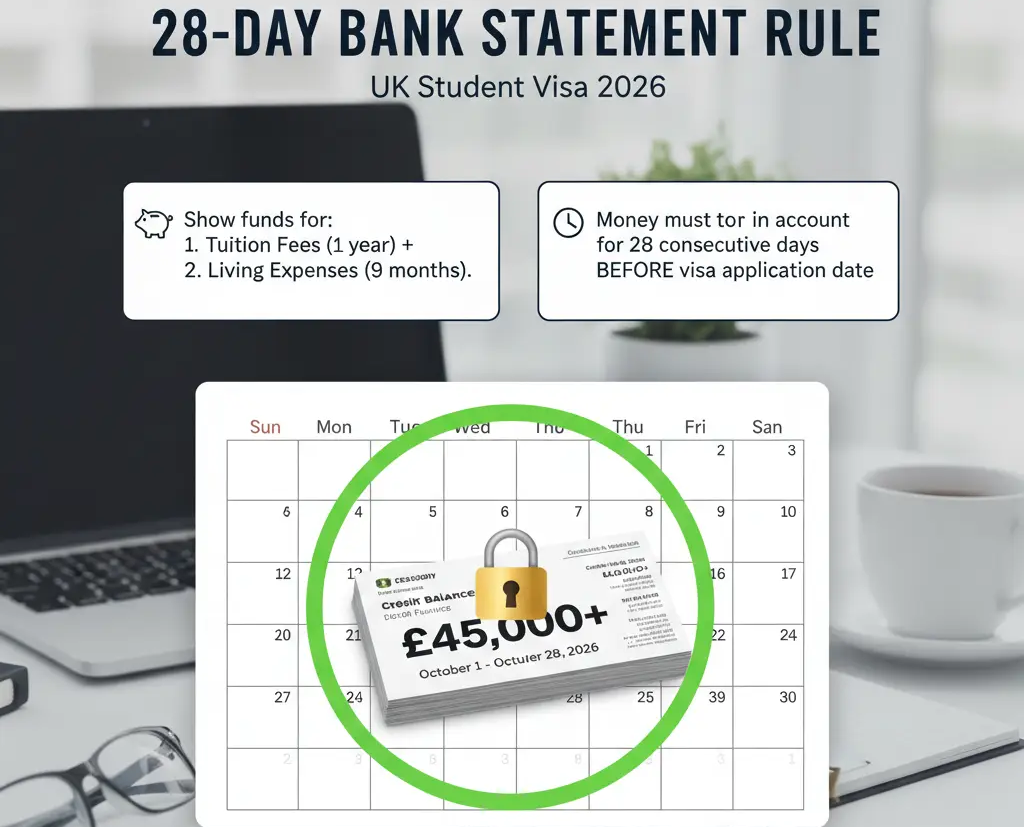
For applicants who still have toprovide financial evidence, the required amount must have been held for 28 consecutive days. The 28 days are counted backwards from the closing balance shown on the most recent financial evidence.
That evidence must also be dated no more than 31 days before the visa application.
The UK does not accept overdrafts, cryptocurrency, stocks and shares, pensions, or bank accounts that are not regulated by the relevant financial regulator or do not use electronic record keeping.
Qualifying funds can include the applicant's own money, a parent's money, a partner's money in certain circumstances, an eligible student loan or official financial sponsorship.

Why are only three African countries on the list?
Officially, Botswana, Mauritius and Tunisia qualify because the Home Office classifies them as"low risk" nationalities under Immigration Rules Appendix Student, paragraph ST 22.1, the same designation that puts them alongside roughly 60 other countries and territories, including the US, China, Canada, Australia and several European and Gulf states.
The Home Office has not published the methodology behind that label, how a country moves onto or off the list, or what specifically separates a "low risk" nationality from any other.

Nigeria, Ghana, Kenya, South Africa and Egypt are not on the list, while the government does not publicly set out the detailed criteria used to determine which nationalities qualify.
The practical effect is that some of the continent's biggest sources of students to the UK — Nigeria chief among them, remain outside the exemption, while much smaller markets like Botswana and Tunisia are inside it.