U.S.-Iran Conflict Catapults Global Hunger Crisis to New Heights
A global hunger crisis is worsening, reversing two decades of progress, largely due to conflicts like the Russia-Ukraine and US-Iran wars. These conflicts disrupt critical food and fertilizer supplies, causing price spikes and leading to starvation, especially in vulnerable poor nations. International efforts to combat hunger are further undermined by policy choices and a circular relationship between war and food insecurity.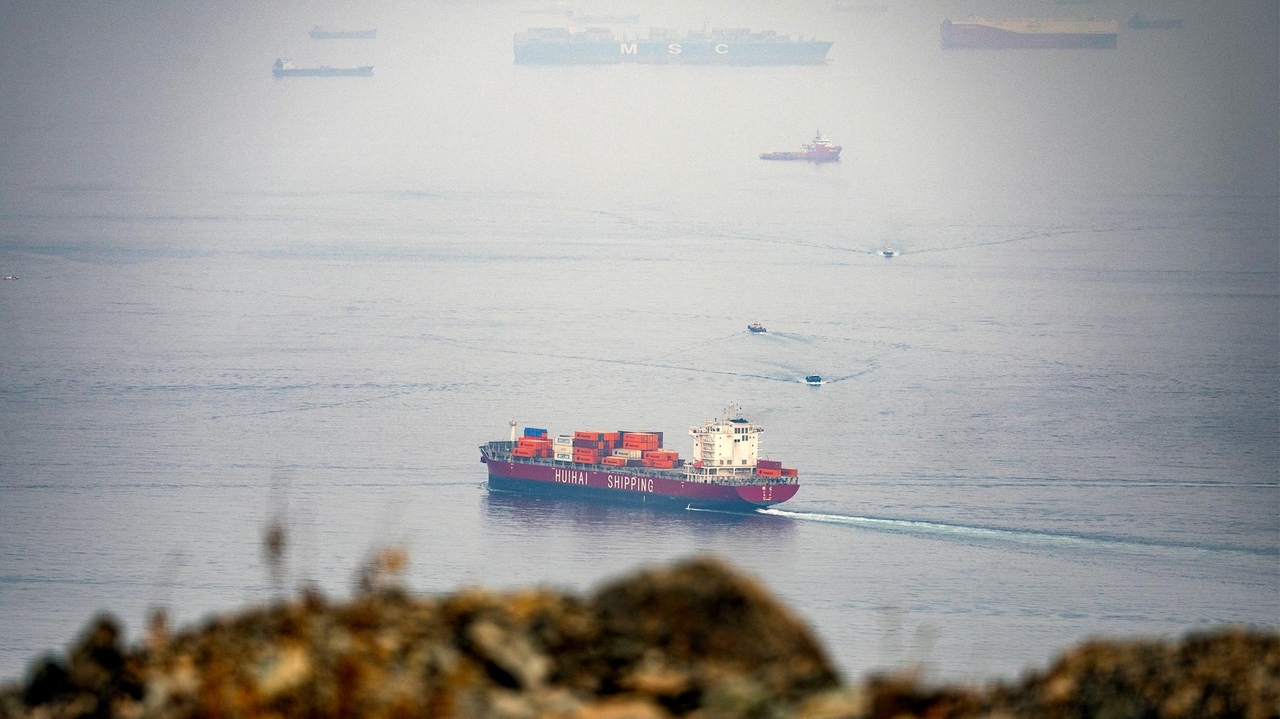
The global fight against hunger has suffered a significant reversal, undoing a generation's progress. The new Global Hunger Index, released just before World Food Day, reveals a worsening trend in undernourishment, child stunting, and child wasting across 122 countries between 2021 and 2025. This deterioration, which halts a two-decade trend of improvement, is significantly exacerbated by the actions of two permanent members of the United Nations Security Council: Russia and the United States, through their respective illegal wars against Ukraine and Iran.
The spread of hunger is attributed to a "polycrisis" era, encompassing factors beyond human control like weather patterns such as El Nino, and human-influenced disruptions like climate change. However, a crucial and escalating driver is the increase in armed conflicts. In 2025, the Uppsala Conflict Data Program recorded 65 state-based armed conflicts, the highest number since World War II, underscoring how wars are deadly in multiple ways, including deliberately keeping food from civilians.
The devastating impact of war on food security is evident from Sudan to the Democratic Republic of Congo and the Gaza Strip. For the first time since the UN established a ranking method for hunger crises, catastrophic famine was declared simultaneously in two locations last year: Sudan and Gaza. While all wars cause starvation, some have far-reaching effects beyond their immediate battlefields, leading to widespread food insecurity.
Russia's war of aggression against Ukraine serves as a prime example of distant starvation. Prior to the invasion, Russia and Ukraine collectively supplied approximately 30% of global wheat exports. The disruption of these shipments, largely through the Black Sea in 2022, caused global food prices to spike, disproportionately affecting poor countries in Africa and Asia. This illustrates how geopolitical conflicts can ripple outwards, impacting global food supply chains.
Similarly, the U.S.-Israeli war against Iran in 2026 is projected to cause another major shock, with its effects anticipated to appear in the next hunger index. While consumers in wealthier nations may primarily feel the impact through higher fuel prices due to oil throttling in the Strait of Hormuz, poor countries face a more dire consequence. Before this conflict, about 30% of the world's fertilizer exports—including urea, ammonia, phosphates, and sulfur—traveled through the Strait of Hormuz. These vital flows have been severely disrupted, with the World Bank projecting a 60% surge in urea prices this year, stabilizing only in 2027 if the conflict does not escalate further.
This scarcity of fertilizer directly impacts farmers in poor countries, effectively pricing them out of essential agricultural inputs. The resulting decrease in food production directly leads to starvation, child stunting (children too short for their age), and child wasting (children being underweight). These agricultural market shocks can persist long after hostilities cease, as farmers miss entire planting and harvesting seasons, further entrenching food insecurity.
Even a modest 1% rise in food prices correlates with increased mortality among children under the age of five. Households struggling to afford food often prioritize less nutritious meals, leading to lifelong health issues for children, as exemplified by Indonesians affected by the 1997-98 Asian financial crisis who grew up shorter and more obese. The Iran war of 2026 is expected to cause stunting in millions across Africa, Asia, and other regions for decades. Moses Chrispus Okello, an Ethiopia-based researcher, highlights that African nations are particularly vulnerable, grappling with debt, refugees, and climate change-induced droughts, compounding the new food crisis.
The link between hunger and conflict is often circular. Hunger caused by a distant war can ignite new conflicts, creating a vicious cycle of instability and starvation. Abdoulaye Mohamadou of the Permanent Inter-State Committee for Drought Control in the Sahel explains that in that African region, war restricts access to agricultural land and pastoral mobility, disrupts markets, supply chains, humanitarian access, and trade. In turn, the absence of fertilizer and the onset of famine exacerbate existing conflicts.
The United States' response under President Donald Trump to this escalating hunger crisis has been criticized for exacerbating the problem. Actions such as withdrawing from the Paris Agreement on climate change, dismantling the U.S. Agency for International Development (USAID), and slashing funding for the UN's World Food Program (WFP) have demonstrably led to spikes in violence and conflict, and will result in additional millions of deaths, particularly among young children. These policies directly undermine the UN's Sustainable Development Goal to achieve "zero hunger" by 2030, a failure which Trump, known for disdaining the UN, will likely attribute to the institution rather than his own choices and the wars he initiates.