Trump's 'Greenland Gambit' Ignites Global Fury as Europe Condemns 'New Colonialism'
President Donald Trump's aggressive pursuit of Greenland has triggered a fierce backlash from European leaders, who denounce his actions as "new colonialism" and warn of a critical juncture for the continent. As Trump doubles down on his acquisition goal with tariff threats and controversial social media posts, the escalating dispute strains transatlantic alliances and prompts the EU to consider retaliatory measures, while Greenland and Denmark prepare for potential contingencies.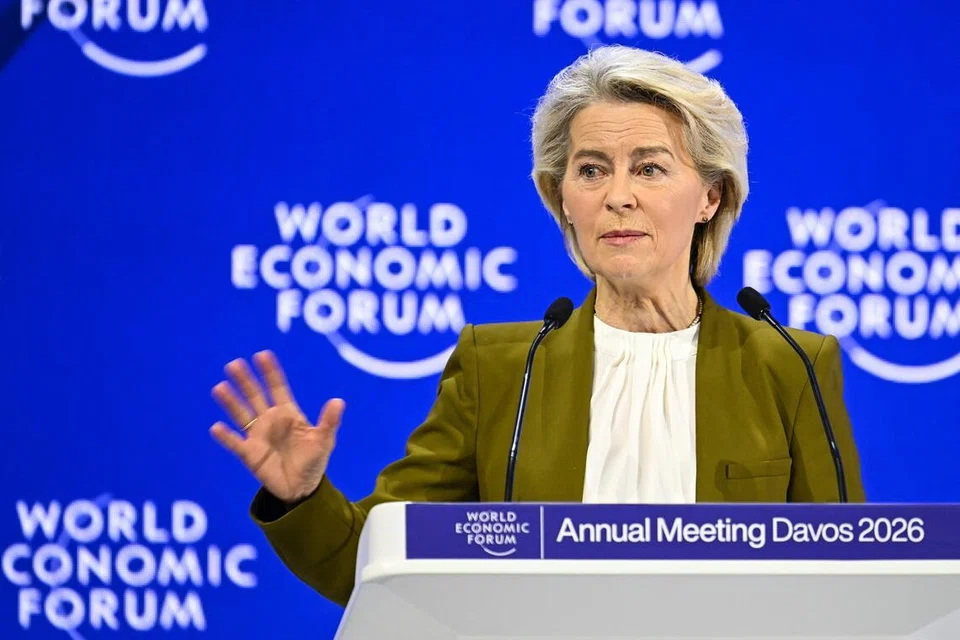
European leaders have strongly criticized President Donald Trump’s pursuit of Greenland, labeling it “new colonialism” and a form of “new imperialism”. Trump, however, has doubled down, insisting there is “no going back” and declaring, “Now it is time, and it will be done!!!”
At the World Economic Forum in Davos, French President Emmanuel Macron called for “respect to bullies” and “rule of law to brutality”, condemning Trump’s threat to impose tariffs on countries opposing a U.S. takeover. European Commission President Ursula von der Leyen described the proposed 10% tariffs as a “mistake”, warning that such actions could push transatlantic relations into a “downward spiral”. Belgium’s Prime Minister Bart De Wever echoed these concerns, noting that Europe is “at a crossroads” and must defend its dignity against perceived U.S. overreach, questioning the future cohesion of NATO.
Trump’s Rhetoric and Diplomatic Escalation
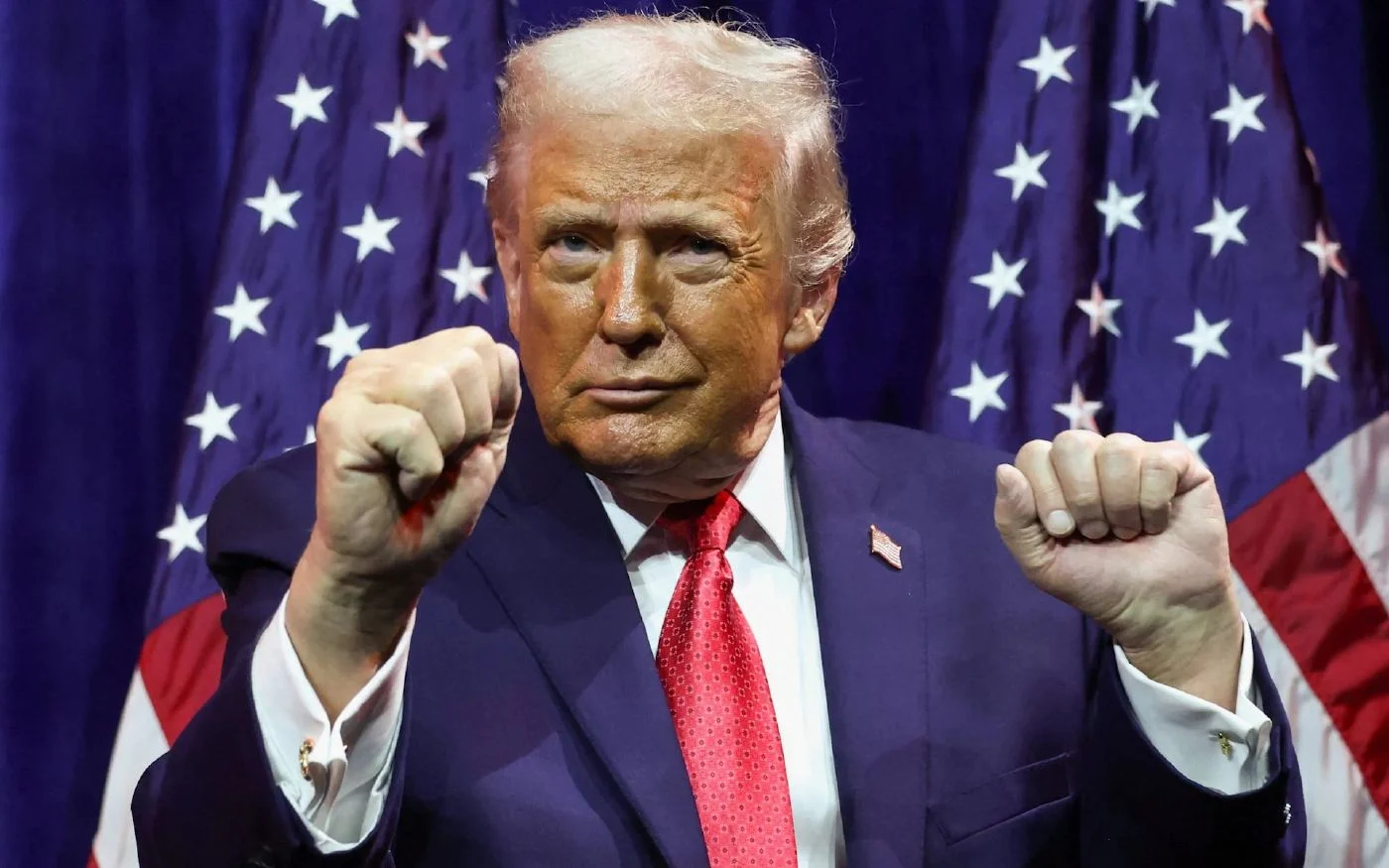
Trump has repeatedly framed Greenland as “imperative for National and World Security”, refusing to rule out military action when questioned by reporters. His social media activity has further inflamed tensions, including the posting of AI-generated images of U.S. officials planting a flag on Greenland and maps depicting the island as U.S. territory. Trump has also leaked private communications from Macron and NATO Secretary General Mark Rutte to mock critics, and in one instance mistakenly referred to Greenland as Iceland.
Additional provocations include threats of 200% tariffs on French wineand champagne if Macron did not join Trump’s proposed “Board of Peace”, a body he suggested could eventually replace the United Nations, which he criticized as ineffective. These actions have exacerbated EU-US tensions and prompted concerns over the stability of trade and NATO alliances.
Strategic and Military Implications
The dispute has significant geopolitical ramifications. EU officials are considering retaliatory measures, including tariffs on €93 billion of U.S. imports and deployment of the “anti-coercion instrument” to restrict U.S. access to public tenders, investments, and trade in services. The Trump administration has reportedly indicated plans to scale back participation in 200 NATOadvisory groups, reducing U.S. engagement in alliance training programs.
Greenlandic Prime Minister Jens-Frederik Nielsen considers military intervention unlikely but acknowledged it “could be” possible, citing NATO membership implications. Denmark’s Prime Minister Mette Frederiksen emphasized that Denmark has “never sought conflict”, while European leaders plan a package for Arctic security, including increased investment and potential permanent military presence in the region. Multinational exercises with Danish troops have already been conducted to reinforce Arctic defenses.
Meanwhile, U.S. Treasury Secretary Scott Bessent urged partners to remain calm, dismissing European alarm as “hysteria”, while Canadian Prime Minister Mark Carney and UK Prime Minister Keir Starmer criticized the U.S. approach, warning of a deteriorating rules-based order and broader geopolitical instability.