Trump Has a New Health Deal for Africa, But Most African Countries Are Rejecting It. What Could Be The Reason Behind It?
The US is offering hundreds of millions in health funding to African nations, but Ghana, Zambia, and Zimbabwe have all said no. What's really on the table and why are they all rejecting it?
Kenya's President William Ruto stood in Washington last December and signed what US Secretary of State Marco Rubio called the first of many. He signed what was called the Kenya-U.S. Health Cooperation Framework, marking the first bilateral agreement under the U.S.'s new global health model.
Rubio didn't hide his ambition that day, telling reporters he hoped to sign thirty, forty, maybe fifty similar deals across the continent.
Six months later, the count looks nothing like that. Some governments have taken the money. Others have walked away from the table entirely, and the reasons behind that split reveal something larger than a simple disagreement over funding.
What's unfolding is a genuine contest between two models of global health cooperation. One runs through multilateral institutions built on shared obligation.
The other runs through bilateral deals built on leverage. Africa has become the testing ground for which model survives, and the early results are far messier than Washington anticipated.
What the Deal Actually Asks Countries to Give Up
The backdrop is important. Shortly after taking office, Trump shut down the US Agency for International Development, dismantling programs that entire health systems across Africa had depended on for years.
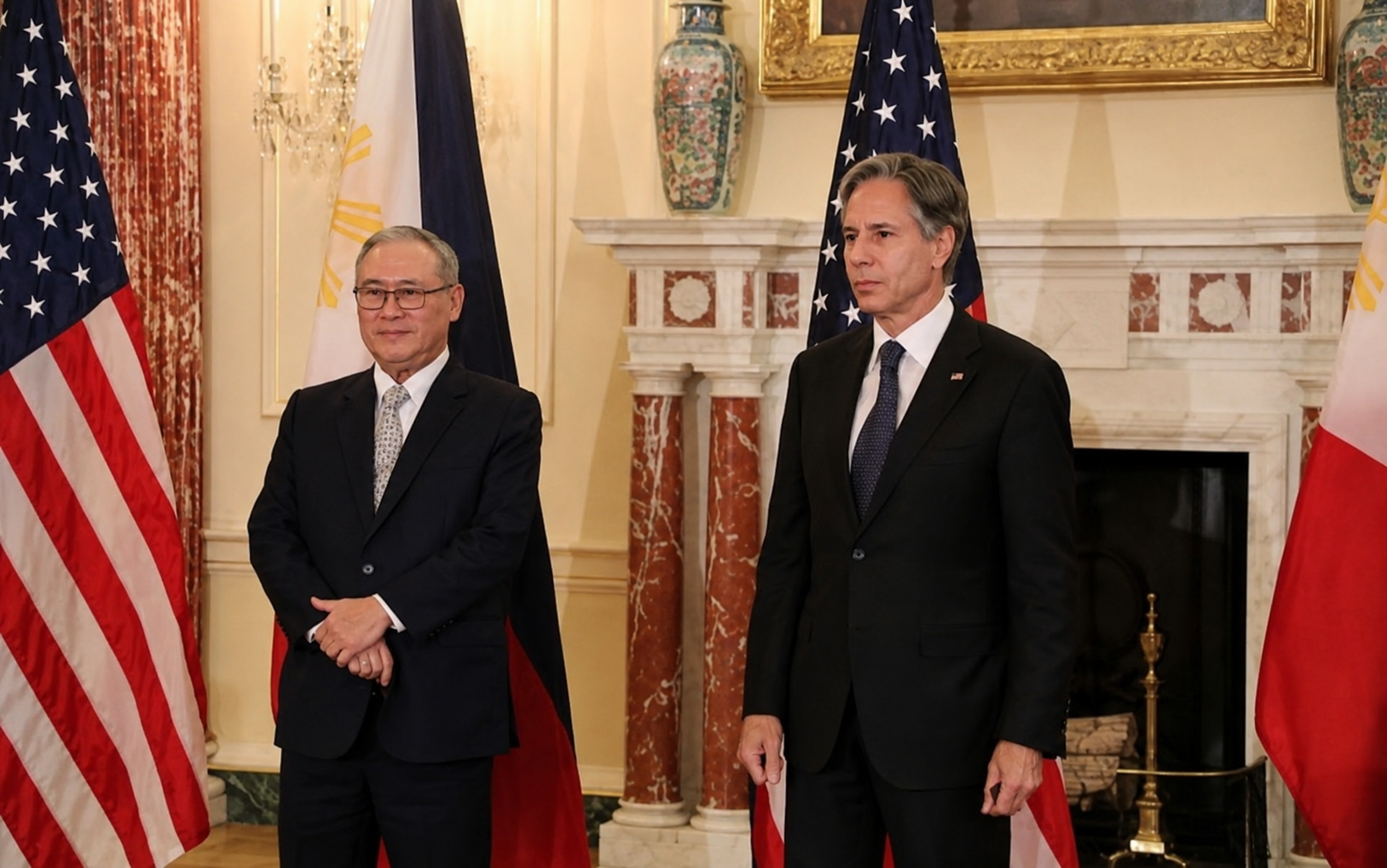
What's replaced it isn't traditional aid. It's a new arrangement requiring recipient governments to co-fund their own health systems alongside US contributions. Kenya's agreement illustrates the structure clearly: $1.6 billion from Washington, $850 million from Nairobi over five years.
Rubio frames this as capacity-building rather than dependency, a deliberate move away from funding NGOs directly toward strengthening national institutions that can eventually operate without outside support.
Underneath that framing sits a bigger structural shift. Global health cooperation has historically run through the World Health Organization, an institution built around collective obligation rather than individual transactions.
The US withdrew from the WHO earlier this year, citing an unfair funding burden and criticizing its handling of Covid-19. What replaced that multilateral relationship is a web of one-on-one agreements, each explicitly tied to American strategic and commercial interests rather than any shared global mandate.
A State Department policy document describes the program directly as strategic capital meant to advance US bilateral interests, not charity. Built into these agreements is a commitment to prioritize American pharmaceutical companies in developing and delivering treatment.
By mid-May, thirty-two countries had signed on, about twenty of them in Africa. The rest have held back, and their objections cluster around one recurring theme: data.
The Countries Refusing the Deal, and Why
Ghana rejected a $109 million health agreement in April. The country's Data Protection Commission objected to the volume of medical data the deal required and the absence of any real accountability for what happened to that data once it left Ghanaian borders.
Arnold Kavaarpuo, who leads the commission, described the imbalance without softening it: Ghana would generate the data and hand it over, with no reciprocal protection guaranteeing what the US did with it afterward.
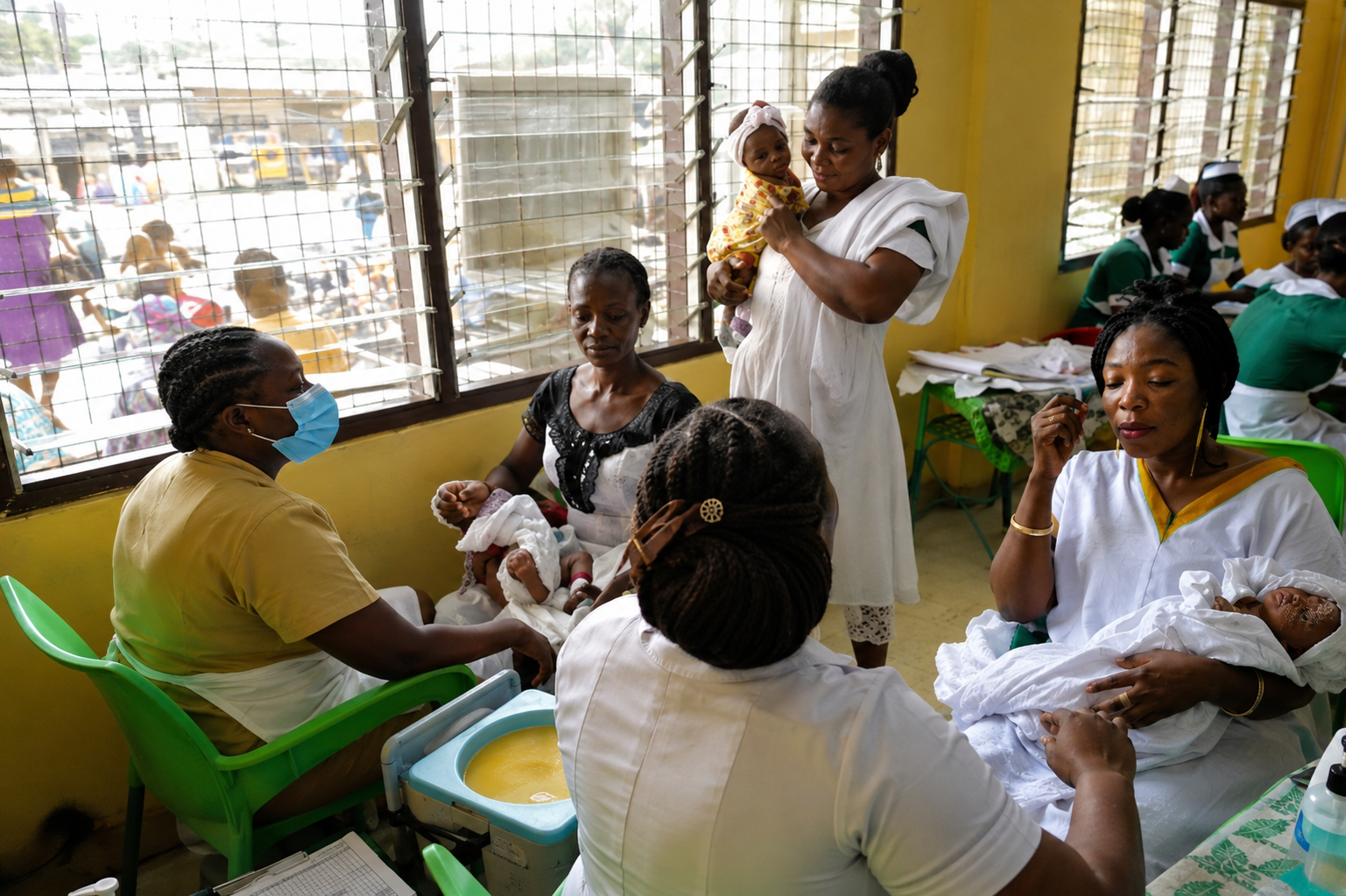
Zimbabwe raised a closely related concern, tied specifically to medical data likely destined for American pharmaceutical firms. The government wanted assurance that treatments eventually developed from Zimbabwean pathogen samples would actually reach Zimbabwean patients.
That guarantee never materialized. Officials noted that the WHO already operates a data-sharing framework built around exactly that kind of reciprocity, one that the American bilateral model doesn't replicate.
Zambia's objection took a different shape entirely. Foreign Minister Mulambo Haimbe told the BBC that Washington tried to fold the health agreement into a separate deal covering access to critical minerals, insisting both be negotiated as a single package. Zambia wanted them discussed on separate merit.
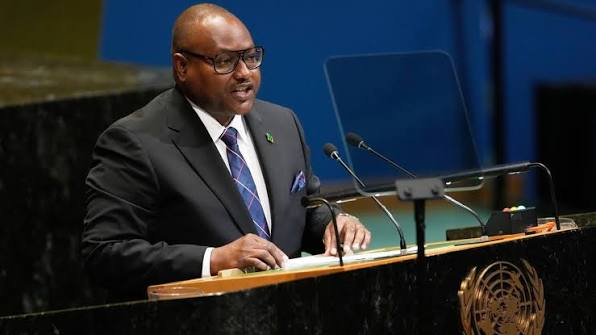
The State Department stopped short of confirming the two deals were formally linked, but its response left the underlying priorities unmistakable, describing US assistance as strategic capital to be invested wisely rather than charity extended freely.
South Africa's Health Minister, Dr. Aaron Motsoaledi, made the sharpest statement of all, arguing that no self-respecting nation should agree to hand over pathogen data during a future pandemic in return for five years of funding with no binding guarantee attached.

Even Kenya's own agreement, the one Rubio signed with such visible enthusiasm, faced resistance domestically.
Activists took the deal to court over patient privacy protections, and a Kenyan court suspended it before cabinet ministers finally approved it last month, months after the original signing ceremony.
What This Standoff Actually Reveals
The debate is no longer simply about who pays for Africa's health systems. It is about who controls the data that powers future medicines, who decides the rules of cooperation, and what governments are willing to trade for financial support.
The countries signing these agreements see an opportunity to secure urgently needed investment. Those refusing them argue that sovereignty over health data and policy cannot become another bargaining chip.
Washington's bilateral strategy is still in its early stages, and it may yet expand across the continent. But the resistance from Ghana, Zambia, Zimbabwe, and South Africa shows that many African governments are no longer willing to accept health partnerships on trust alone.
They want legally enforceable guarantees, reciprocal access to the benefits their data creates, and agreements that extend beyond five-year funding cycles.
The success or failure of this new model will ultimately be measured not by the number of signatures on diplomatic documents, but by whether it strengthens public health without compromising national sovereignty.
If future outbreaks expose gaps in trust, data sharing or emergency response, the consequences will be felt far beyond negotiating tables in Washington or African capitals.
They will be measured in the speed of the next epidemic, the availability of the next vaccine, and the lives that either cooperation or distrust leaves behind.